


👀 DON'T MISS 👀


The Stakes Have Never Been Higher
This year we are facing the most consequential presidential election in recent memory. A vibrant democracy is impossible without well-informed citizens. This is why HuffPost's journalism is free for everyone, not just those who can afford expensive subscriptions.
We cannot do this without your help. Support our newsroom by contributing as little as $2.
Thank You For Your Past Contribution
We are sincerely grateful for readers like you who help us ensure that we can keep our journalism free for everyone.
The stakes are high this year, and our 2024 coverage could use continued support. Would you consider becoming a regular HuffPost contributor?
Thank You For Your Past Contribution
We are sincerely grateful for readers like you who help us ensure that we can keep our journalism free for everyone.
The stakes are high this year, and our 2024 coverage could use continued support. If circumstances have changed since you last contributed, we hope you'll consider contributing to HuffPost once more.
Already contributed? Log in to hide these messages.

The former president's lawyer made a gloomy prediction.

Three Republicans joined in with all 29 Democrats on Wednesday to repeal a law that predated Arizona’s statehood and provides no exceptions for rape or incest.

The basketball star discussed the incident during a post-game press conference amid the first round of the NBA playoff series.
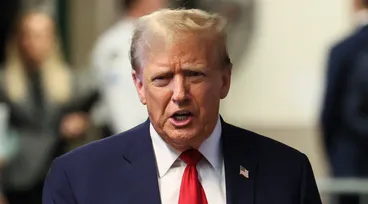
With the former president on trial for allegedly falsifying business documents, his long and sordid history with the tabloid press may work against him.

“I must answer the question if it is worth it to continue, given the mud pit the right and far-right have made out of our politics," said Pedro Sánchez.

"Please. Countries at war, all of them, stop the war. Look to negotiate. Look for peace," the pope said in an interview with CBS News.

The conservative icon named and shamed the "cabal of grotesques" in the Republican party.

The House’s top Republican visited the university in New York City, where activists have taken over part of campus to protest Israel’s brutal invasion of Gaza.
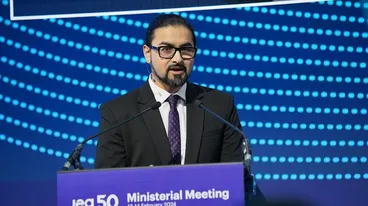
Akshat Rathi spoke with HuffPost about the evolution of climate denialism, and what the climate crisis means for democracy.

The man was among scores of people abducted by the militants in the attack that ignited the war in Gaza.

Donald Trump frequently shares its material.
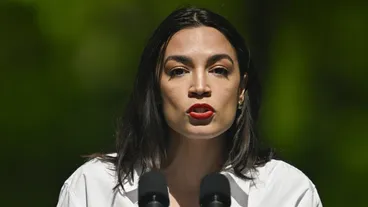
"He and many other Jewish leaders deserve better than to be treated this way," the New York Democrat said of Rep. Jared Moskowitz's remarks.


