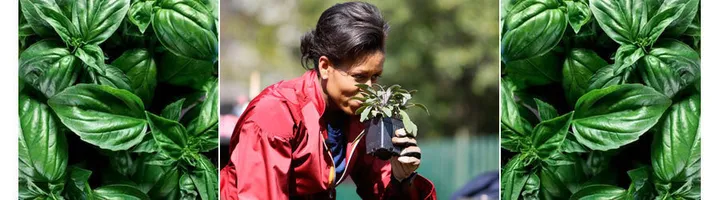
It seems that our culture's most popular flavorings are sugar, salt, pepper, ketchup, and mustard. A common attempt we see at using a fresh culinary herb is the sprig of parsley on our plate that is perceived as a garnish!
Yet as gardeners and foodies often know, there is a whole world of flavor and nutrition that comes with the use of culinary herbs. Adding herbs to your garden and ultimately to your food gives you the best of both worlds: more concentrated nutrition with health benefits as well as a variety of flavors beyond salt and pepper. Herbs bring a depth of flavor and nutrition to almost any meal.
My last blog, "Obama Garden Watch: 10 Vegetables Worth a Fist Bump," resulted in some passionate gardeners and would-be gardeners sharing their enthusiasm about growing their own food. I love the sense of community that discussions about gardening can develop.
Along with vegetable gardening, cultivating culinary herbs can also be very rewarding. In addition to the enjoyment of a wonderful variety of flavors, making use of homegrown herbs in the kitchen is a great way to enhance your wellbeing.
Herbs have a long history of applications for both culinary and medicinal purposes. Today people around the world widely use herbs in cooking and for their therapeutic effects. Culinary herbs provide phytonutrients (therapeutic plant nutrients) that have been found to have unique health-promoting properties, such as that of reducing cancer risk. These herbs are rich in vitamins, minerals, and antioxidants. Specific phytonutrients have been studied extensively in research that accounts for the success of herbs throughout history as health-supportive. Herbs used primarily to treat stronger medical issues are usually too bitter for cooking.
One of the earliest records of the use of therapeutic herbs comes from Babylonian clay tablets dated to 3000 BC. The ancient Chinese, Egyptians, and East Indians all turned to medicinal herbs. To get some idea of the vast variety of these plants, visit the website for the University of Washington's Medicinal Herb Garden which houses over 1,000 species of herbs used currently and historically for medicinal purposes. The United States National Arboretum in Washington, DC also features an amazing diversity of both medicinal and culinary herbs in its National Herb Garden. The Arboretum's grounds are the largest designed herb garden in the United States.
I'd personally love to see fresh garden-grown herbs become a larger part of the American diet. I'd especially love to see kids more exposed to the variety of flavors and nutrients available in culinary herbs. It's the little things that we do each day that keep us healthy. Adding herbs to our food regularly is a better approach than just thinking of using strong herbs when we're sick.
Growing culinary herbs isn't difficult, and it's great to be able to snip fresh herbs as needed to give a flavorful boost to foods in the kitchen. Since these are somewhat easier plants to grow, this is a project in which kids can get involved. In general, culinary herbs like full sun, good drainage, and regular watering. They can be grown in the ground, in pots, or even in small containers on a windowsill that gets plenty of sunshine.
8 Herbs from The White House Garden
Here are highlights of some of the herbs included in the initial layout of the White House's organic garden:

Thyme
Health Benefits: Used as a cough remedy; considered antifungal and antibacterial. A primary constituent, thymol, is the main active antiseptic ingredient in Listerine mouthwash.
Culinary Uses: Savory, very versatile. Used in soups and stuffings, as well as marinades for meat, fish, and poultry.
Oregano
Health Benefits: Antimicrobial, antifungal, antiparasitic; has antioxidant effects. Traditionally used for coughs, colds, and mild fevers.
Culinary Uses: The "pizza herb." Used in tomato sauces, and to flavor fish and meat.
Sage
Health Benefits: Has antibacterial, antifungal, and antiviral properties. Used traditionally for minor digestive complaints, sore throat, and headaches.
Culinary Uses: Mixes well with cheese; traditional in Italian dishes. Commonly added to stuffing, sprinkled on turkey and pork. Tasty in bread, as well as bean or pea soups.
Rosemary
Health Benefits: Used traditionally as a memory aid and to help concentration. Also for joint pain, sore muscles, and minor digestive problems. Antioxidant, antifungal. Currently being studied for its anti-cancer properties.
Culinary Uses: Herb used with roast lamb, chicken, pork, vegetables, cheese, and soups.
Hyssop
Health Benefits: Extracts of the leaves are antiviral and antimicrobial. Traditionally used for coughs, colds, and bronchitis. Added to a balm for cold sores.
Culinary Uses: Has a slightly bitter, minty taste. Can be used sparingly for salads, mixed fruits, vegetable dishes, stews, and marinades.
Dill
Health Benefits: Can aid digestion by relieving intestinal gas. Helps relieve bad breath.
Culinary Uses: Used with pickles, seafood, salads, cottage cheese, breads, soups, and vegetable dishes (cucumbers, cauliflower, beets, etc.).
Cilantro
Health Benefits: Antimicrobial. Traditionally used to treat indigestion, loss of appetite, and joint pain.
Culinary Uses: Used to flavor meats, fish, vegetables, and rice. Popular in Mexican, Asian, South American, Indian, and Middle Eastern cuisines.
Parsley
Health Benefits: More than a decoration on your plate! Mild diuretic. Chew on parsley for fresh breath. Supports digestion; helps relieve bloating and gas.
Culinary Uses: Sprinkle on fish and chicken. Used in vegetable dishes, soups, stews, and tomato sauce.
My personal favorite culinary herb, basil, seems to be missing from the initial White House Garden layout. Hopefully, that's in their future plans.
Basil has demonstrated anti-microbial and anti-inflammatory properties. It is very versatile in the kitchen, a wonderful addition to soups, sauces, fish, chicken, vegetables, and meats. Here is a simple pesto recipe I love to make with fresh basil from my organic garden:
Easy Pesto
* 2 cups fresh basil leaves
* 1/3 cup pine nuts or walnuts
* 1/2 cup freshly grated Parmesan or Romano cheese
* 3 medium sized garlic cloves, finely minced
* 1/2 cup extra virgin olive oil
* Sea salt and freshly ground black pepper to taste
Blend in food processor until smooth. I like to use pesto as a sauce for fish or pasta, as well as mixed into scrambled eggs, and as an alternative to tomato sauce on pizza.
Enjoy!
Huff Post readers: Any culinary herb gardening tips to share? Favorite culinary herbs? Favorite recipes using herbs? I love the idea of our Huff Post community inspiring each other to grow and enjoy healthy, delicious food with the unique depth of flavor that only herbs can bring!
Note: Some herbs should be used with caution, especially if pregnant or nursing. Please check with your healthcare practitioner before using herbs for medicinal purposes.
*Follow HuffPostLiving on Twitter and become a fan of Huffington Post Living on Facebook*