




👀 DON'T MISS 👀


The Stakes Have Never Been Higher
This year we are facing the most consequential presidential election in recent memory. A vibrant democracy is impossible without well-informed citizens. This is why HuffPost's journalism is free for everyone, not just those who can afford expensive subscriptions.
We cannot do this without your help. Support our newsroom by contributing as little as $2.
Thank You For Your Past Contribution
We are sincerely grateful for readers like you who help us ensure that we can keep our journalism free for everyone.
The stakes are high this year, and our 2024 coverage could use continued support. Would you consider becoming a regular HuffPost contributor?
Thank You For Your Past Contribution
We are sincerely grateful for readers like you who help us ensure that we can keep our journalism free for everyone.
The stakes are high this year, and our 2024 coverage could use continued support. If circumstances have changed since you last contributed, we hope you'll consider contributing to HuffPost once more.
Already contributed? Log in to hide these messages.
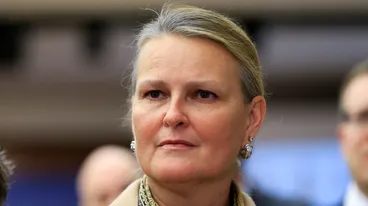
The president plans to tap Lise Grande of the United States Institute of Peace to replace David Satterfield, two sources told HuffPost.

The president requested the money in October, but it was held up for months because of opposition from Donald Trump and House Republicans.

Sade Robinson's leg was found in Warnimont Park in the Milwaukee area the same day the college student was reported missing by a friend.

In March, an independent investigator cleared Uvalde police officers for their roles in the deadly 2022 attack.

The Democrat had suffered a cardiac episode earlier this month, which was based on complications from his diabetes, his office said.

Despite Harvard restricting access to Harvard Yard, students still set up an encampment to protest Israeli military action against Palestinians.

The soccer star is looking for upwards of $14 million in damages over a promotional agreement with fitness brand F45.

Elizabeth Williams said the former president often appeared to have his eyes shut, but his demeanor changed during one particular episode.

The high court will hear arguments to determine whether some states can ban abortions even in emergency situations.

Trump is still losing significant votes in some GOP primaries despite being the party's presumptive nominee.

Unfortunately, there are countless creeps who love that we love the internet — and who would love to swipe our personal information.

The former president had a complaint outside of court. Kimmel was ready with an answer.