


👀 DON'T MISS 👀


The Stakes Have Never Been Higher
This year we are facing the most consequential presidential election in recent memory. A vibrant democracy is impossible without well-informed citizens. This is why HuffPost's journalism is free for everyone, not just those who can afford expensive subscriptions.
We cannot do this without your help. Support our newsroom by contributing as little as $2.
Thank You For Your Past Contribution
We are sincerely grateful for readers like you who help us ensure that we can keep our journalism free for everyone.
The stakes are high this year, and our 2024 coverage could use continued support. Would you consider becoming a regular HuffPost contributor?
Thank You For Your Past Contribution
We are sincerely grateful for readers like you who help us ensure that we can keep our journalism free for everyone.
The stakes are high this year, and our 2024 coverage could use continued support. If circumstances have changed since you last contributed, we hope you'll consider contributing to HuffPost once more.
Already contributed? Log in to hide these messages.
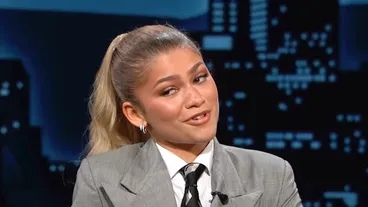
They were rushing so the "Spider-Man" star could get to his spin class, Zendaya told Jimmy Kimmel.

The puppet poked fun at the former president's supporters outside his hush money trial.

The car giant said it was "speaking to X directly about brand safety to ensure this issue is addressed."

Critics ripped the former president and his new prop.

The "Civil War" actor said he and his friends were "just these innocent, dumb theater kids" at the time.

The "Late Show" host breaks down one of the strangest polls you'll ever see.

The Good Liars found some unusual beliefs among the MAGA faithful at a recent rally.

The former Louisiana State University star forward is making a few things clear.

The 29-year-old was accused of abandoning her children, ages 6 and 8, for nearly a week in a high-rise apartment.

The "Weekend Update" co-anchor discussed the work that goes into hosting the show during an appearance on the podcast “Table for Two with Bruce Bozzi."
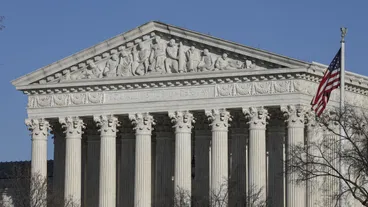
The decision has had immediate impact for families in Idaho, who are now left scrambling to figure out how to help their children receive care.

Key committees advanced legislation to change the state’s ballot certification deadline after the state’s GOP Secretary of State warned Biden may miss it.


