


👀 DON'T MISS 👀


The Stakes Have Never Been Higher
This year we are facing the most consequential presidential election in recent memory. A vibrant democracy is impossible without well-informed citizens. This is why HuffPost's journalism is free for everyone, not just those who can afford expensive subscriptions.
We cannot do this without your help. Support our newsroom by contributing as little as $2.
Thank You For Your Past Contribution
We are sincerely grateful for readers like you who help us ensure that we can keep our journalism free for everyone.
The stakes are high this year, and our 2024 coverage could use continued support. Would you consider becoming a regular HuffPost contributor?
Thank You For Your Past Contribution
We are sincerely grateful for readers like you who help us ensure that we can keep our journalism free for everyone.
The stakes are high this year, and our 2024 coverage could use continued support. If circumstances have changed since you last contributed, we hope you'll consider contributing to HuffPost once more.
Already contributed? Log in to hide these messages.
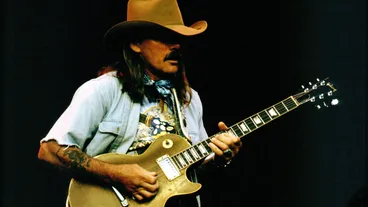
Betts, who co-founded the band, wrote their biggest hit, "Ramblin' Man."

Key committees advanced legislation to change the state’s ballot certification deadline after the state’s GOP Secretary of State warned Biden may miss it.
A National Public Radio editor who wrote a critical essay saying that his company had become intolerant of all but liberal views has resigned.
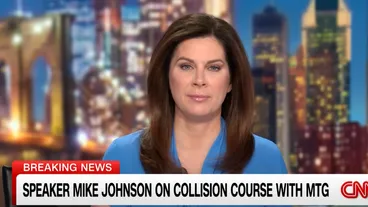
"Russian state television can’t get enough of her," the CNN host said of the extremist lawmaker.

Holtec International says a state statute blocking routine water releases from Indian Point violates federal law.

Election administration used to be a “sleepy industry.” Now, officials are building ventilated mail rooms and training for crises.

The matter reportedly stopped production on the "Law & Order" spinoff for 20 minutes.

The network is pulling out all the stops to engage non-sports fans, but this move is way out of the box.

The changes are a marked shift for a federal agency that environmentalists have long derided as the “Bureau of Livestock and Mining.”

Warwick Davis called his late wife his "favorite human" and said that he missed her hugs.

It prompted a hilariously awkward blast from the not-too-distant past.

The show doesn't just normalize the notion of sexually fluid queer community — it historicizes it.


