


👀 DON'T MISS 👀


The Stakes Have Never Been Higher
This year we are facing the most consequential presidential election in recent memory. A vibrant democracy is impossible without well-informed citizens. This is why HuffPost's journalism is free for everyone, not just those who can afford expensive subscriptions.
We cannot do this without your help. Support our newsroom by contributing as little as $2.
Thank You For Your Past Contribution
We are sincerely grateful for readers like you who help us ensure that we can keep our journalism free for everyone.
The stakes are high this year, and our 2024 coverage could use continued support. Would you consider becoming a regular HuffPost contributor?
Thank You For Your Past Contribution
We are sincerely grateful for readers like you who help us ensure that we can keep our journalism free for everyone.
The stakes are high this year, and our 2024 coverage could use continued support. If circumstances have changed since you last contributed, we hope you'll consider contributing to HuffPost once more.
Already contributed? Log in to hide these messages.

Ghost guns, which lack serial numbers, have been turning up at crime scenes with increasing regularity.

The Pennsylvania senator's public breaks with the White House are drawing comparisons to more conservative Democrats like Sen. Joe Manchin.

In a new interview, the five-time Grammy winner shared a message of positivity amid her battle with stiff-person syndrome.

"It cannot be that a president of the United States can attempt to steal an election and seize power but our justice system is incapable of bringing him to trial," she wrote.

Sabreen Jouda came into the world at 30 weeks, after Israeli forces killed her father, sister and pregnant mother in an airstrike on their home in Rafah.

Trump has taken credit for overturning Roe v. Wade, which has contributed to an increase in U.S. emergency rooms turning away pregnant women.

In 2020, West and James drew heated speculation after being photographed on what appeared to be an intimate lunch date in Italy.
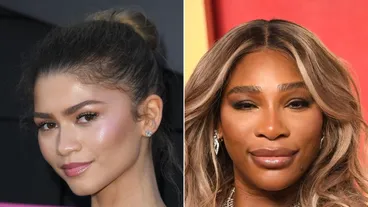
The star of the upcoming tennis movie described Williams as being "the best of the best."

The mother, Trish Faranda, says once she was booted from the performance, about “10 or 12 people” walked out with her as an act of solidarity.

The singer/songwriter put the former president on blast for his long history of racism.

The South Dakota governor knocked the former vice president, who was the subject of "hang Mike Pence" chants during the deadly Capitol riot.

"I’ve not seen politics in the court," the liberal retired Supreme Court justice said. "And I’ve been a judge for 40 years."


