





👀 DON'T MISS 👀


The Stakes Have Never Been Higher
This year we are facing the most consequential presidential election in recent memory. A vibrant democracy is impossible without well-informed citizens. This is why HuffPost's journalism is free for everyone, not just those who can afford expensive subscriptions.
We cannot do this without your help. Support our newsroom by contributing as little as $2.
Thank You For Your Past Contribution
We are sincerely grateful for readers like you who help us ensure that we can keep our journalism free for everyone.
The stakes are high this year, and our 2024 coverage could use continued support. Would you consider becoming a regular HuffPost contributor?
Thank You For Your Past Contribution
We are sincerely grateful for readers like you who help us ensure that we can keep our journalism free for everyone.
The stakes are high this year, and our 2024 coverage could use continued support. If circumstances have changed since you last contributed, we hope you'll consider contributing to HuffPost once more.
Already contributed? Log in to hide these messages.
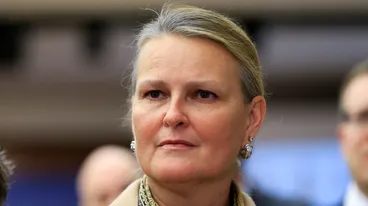
The president plans to tap Lise Grande of the United States Institute of Peace to replace David Satterfield, two sources told HuffPost.

The man was among scores of people abducted by the militants in the attack that ignited the war in Gaza.

Donald Trump frequently shares its material.

The White House launched a $7 billion “solar for all” program earlier this week meant to help build 1 million individual systems across the country.
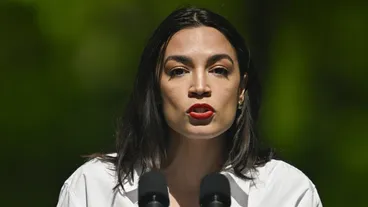
"He and many other Jewish leaders deserve better than to be treated this way," the New York Democrat said of Rep. Jared Moskowitz's remarks.

Some Swifties believe The 1975 singer inspired "The Tortured Poets' Department," but he hasn't offered any specifics.

In March, an independent investigator cleared Uvalde police officers for their roles in the deadly 2022 attack.

Donald Trump's daughter-in-law proved herself to be a political strategist without equal when she said the Republican National Committee has lawsuits in 81 states.

Despite Harvard restricting access to Harvard Yard, students still set up an encampment to protest Israeli military action against Palestinians.

"We're trying to get ahead of this law," Gov. Gavin Newsom said of Arizona's looming abortion ban.

“It was like being edged for four days straight,” the “Price is Right’” host said of the concert during an unhinged moment on “After Midnight.”

The high court will hear arguments to determine whether some states can ban abortions even in emergency situations.