


👀 DON'T MISS 👀


The Stakes Have Never Been Higher
This year we are facing the most consequential presidential election in recent memory. A vibrant democracy is impossible without well-informed citizens. This is why HuffPost's journalism is free for everyone, not just those who can afford expensive subscriptions.
We cannot do this without your help. Support our newsroom by contributing as little as $2.
Thank You For Your Past Contribution
We are sincerely grateful for readers like you who help us ensure that we can keep our journalism free for everyone.
The stakes are high this year, and our 2024 coverage could use continued support. Would you consider becoming a regular HuffPost contributor?
Thank You For Your Past Contribution
We are sincerely grateful for readers like you who help us ensure that we can keep our journalism free for everyone.
The stakes are high this year, and our 2024 coverage could use continued support. If circumstances have changed since you last contributed, we hope you'll consider contributing to HuffPost once more.
Already contributed? Log in to hide these messages.

In one high-profile instance at Columbia University in New York, more than 100 students were arrested Thursday.

Emilio Garcia claimed that Megan had sex with a woman in front of him and others in a moving vehicle.

The Squad member had a warning for fellow progressives likely to face similar attacks.

“The future holds countless possibilities,” the former Republican said, “and I am ready willing and able to step up to the plate."

"My 8yo singing Howareyouyeah instead of Hallelujah is the rewrite we all needed."

Commissioners approved the historic regulation on the grounds that noncompetes stifle competition for workers. A legal challenge is all but certain.

On a recent episode of their "Amy and T.J." podcast, the former "GMA3" hosts discussed their thoughts on one day tying the knot.

The “Pitch Perfect” star says a “Windsor” gave her “a last-minute invite to a tech billionaire’s party” that she innocently thought was just a costume party.
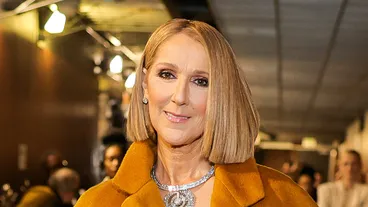
The singer's appearance at the February ceremony marked her return to public life nearly two years after revealing her stiff-person syndrome diagnosis.

Business groups could mount a legal challenge to the president's plan to greatly expand overtime protections to more salaried employees.

Musician Kyle Jacobs, who co-wrote songs for Garth Brooks, Tim McGraw and others, died in February 2023 at age 49.


