


👀 DON'T MISS 👀


The Stakes Have Never Been Higher
This year we are facing the most consequential presidential election in recent memory. A vibrant democracy is impossible without well-informed citizens. This is why HuffPost's journalism is free for everyone, not just those who can afford expensive subscriptions.
We cannot do this without your help. Support our newsroom by contributing as little as $2.
Thank You For Your Past Contribution
We are sincerely grateful for readers like you who help us ensure that we can keep our journalism free for everyone.
The stakes are high this year, and our 2024 coverage could use continued support. Would you consider becoming a regular HuffPost contributor?
Thank You For Your Past Contribution
We are sincerely grateful for readers like you who help us ensure that we can keep our journalism free for everyone.
The stakes are high this year, and our 2024 coverage could use continued support. If circumstances have changed since you last contributed, we hope you'll consider contributing to HuffPost once more.
Already contributed? Log in to hide these messages.

Business groups could mount a legal challenge to the president's plan to greatly expand overtime protections to more salaried employees.

Musician Kyle Jacobs, who co-wrote songs for Garth Brooks, Tim McGraw and others, died in February 2023 at age 49.

Louis Arthur Charles was born on April 23, 2018, at St. Mary's Hospital in London.
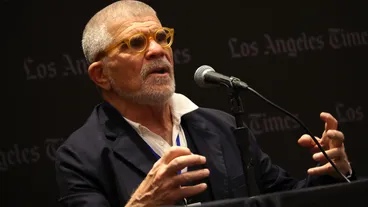
The Pulitzer Prize-winning screenwriter also argued that his famous children, including "Girls" star Zosia Mamet, didn't benefit from his industry status.


Democrats hope that a strict new abortion law and a related ballot question will flip the state, which Trump only won by 3 points in 2020.

Israel James Easterday's attorneys defended him as having an "extremely sheltered" Amish background, while requesting his release from jail last year.

The bill that will let some teachers and staff carry concealed handguns on public school grounds, but bar parents and other teachers from knowing who was armed.

The review assessing the neutrality of the U.N. agency that helps Palestinians came after Israel alleged a dozen employees were involved in the Oct. 7 attack.

New York University students and faculty were among those taken into custody after rocks, chairs and water bottles were thrown at officers clearing the scene, police said.

“You guys didn’t know?” Kardashian joked, before Jimmy Kimmel asked her if it was true that she has six toes.

Everything we've seen during the past two years has shown us that this model is working.


