iPhone app iPad app Android phone app Android tablet app More

Featuring fresh takes and real-time analysis from HuffPost's signature lineup of contributors
Vivian Diller, Ph.D.

GET UPDATES FROM Vivian Diller, Ph.D.
 

The Psychological Factors Surrounding Cosmetic Surgery

Posted: 08/18/10 08:00 AM ET

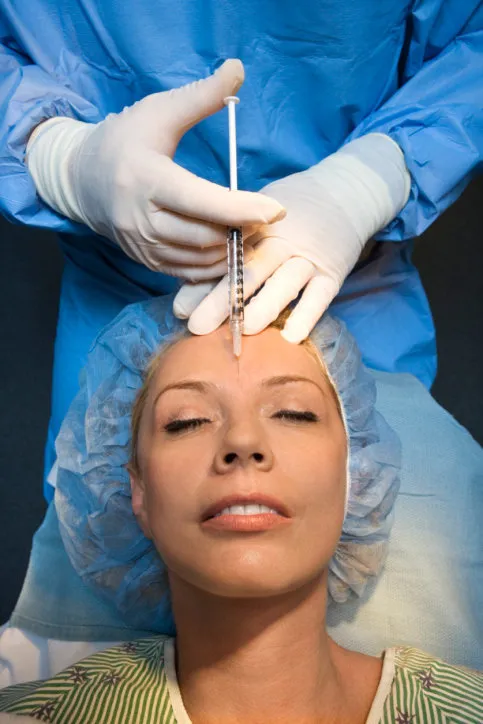
"Does she or doesn't she?" The question asked furtively by women just a few decades ago has now shifted to "has she or hasn't she?" This shift clearly reflects the increased casual use of non-invasive cosmetic and surgical procedures. But my question is: can we take advantage of these options without experiencing shame or regret? Can we avoid heading down a slippery slope, so that one procedure leads to the next? Perhaps the answer depends upon how thoughtful we are about the long-term impact these options have on us, not just medically, but psychologically as well. Before you reach for that expensive new jar or spend $1,000 on the next injection, be thoughtful and be careful.

As a psychologist who works with women who openly talk about their desire to look good at any age, I use the acronym S.A.F.E. to help them make good choices regarding cosmetic procedures. I encourage them to think about these four issues: SAFETY, AFFORDABILITY, FOR WHOM and EXPECTATIONS.

S is for SAFE. Safety seems like a no-brainer, but my experience as a psychologist has taught me that some women are hesitant or negligent about doing even the most basic research on cosmetic procedures. They rely on friends or magazines (sometimes neither) and forge ahead on decisions that can have permanent ramifications in their lives. Before considering any procedure, you must ask if your surgeon or dermatologist is board certified and if the procedure you are doing is FDA approved. You should also personalize your questions so that they relate to your particular needs. You are entitled to know these answers.

Not only should his/her reputation be good, but these practitioners should make you feel comfortable and take time to listen to your personal concerns. Ask as many questions as you like. A good one I've heard women ask is, "if I were your wife, daughter, friend, would you recommend they do this procedure?" It helps all involved take an individualized approach to what is about to happen. Ask how long the benefits will last. Will there be pain? A need for anesthesia? How long is the recovery? Is there anything to be done to avoid bruising or speeding up the recovery? How many years has this procedure been performed? Safe is not synonymous with successful results for an actor you admire, or even a friend. This is your face and your body. And cosmetic surgery is a personal, physical and psychological individual experience.

A is for AFFORDABLE. You would think this issue is another no-brainer, but too many women sign up for procedures without knowing their long term cost. Most, like botox, fillers and laser treatments require constant up-keep to continue their positive effect. Many women I work with, who like what they see from these treatments, want to continue. Not only do most want more of the same, but often one procedure leads to another. Just as a newly painted room makes the furniture look older, so does a wrinkle free forehead make crow's feet seem more pronounced. And after the "work" wears off, women say they notice the changes on their face/neck/body more than ever. Money worries create their own version of visual stress, so enter this process knowing if they are affordable, with awareness, both medically and financially.

F is for FOR WHOM, as in for whom are you doing this surgery? Some women have cosmetic surgery or try a procedure because someone else has persuaded them to try it. Sometimes the desire is provoked by "uh-oh moments," those feelings of discomfort as aging sneaks up on us. "Can I help you, Ma'am?" or "how many grandchildren do you have?" are innocuous comments that can lead women to feel they need to do something about their aging appearance before it's too late. Sometimes the comments come from a loved one, like a husband who becomes critical of his wife's body, or children who innocently ask their moms about the lines on their faces or the veins in their legs. Sometime provocative comments come from doctors themselves, who enthusiastically suggest a new procedure they believe will be appealing to an aging woman. Then there are friends, swearing by the positive results gained from a little of this or that, who make these procedures tempting. Remember this: findings show that surgical changes are most satisfying when they fulfill clear, personal goals. Think carefully for whom you are about to alter your face and body. You are the one who will be under the knife and living with these changes.

E is for EXPECTATIONS. Think carefully about what you hope to accomplish. Some women are unrealistic about cosmetic surgery. They are shown "before and after" pictures that look transforming but lack credibility. They watch magic wands remove wrinkles on infomercials and online ads. Unbelievable? Magical? Plastic surgery can do marvelous things for those who have realistic expectations, but magic, it is not. It does not make an older woman young, nor does it necessarily transform a woman's appearance. Nor should you hope for that, since the most satisfying surgeries are ones that make small changes that result in a refreshed and healthier looking appearance.

A woman who I treated had been depressed for many years, after neglecting herself and living in an abusive relationship. She wanted to have her eyes and neck done, but I suggested she wait until she made changes in her personal and professional life. After a year of challenging work in psychotherapy, she said she felt a lot happier, but still appeared tired and sad when she looked at herself in the mirror. She was ready for surgery and the results were positive. After the procedure, she felt her face now matched her internal experience. Women who want to fix their faces and bodies so that they will feel better about themselves are often disappointed. They go on to want more work done after the first procedure doesn't solve their problem. Having realistic expectations leads to satisfying results.

So use the acronym S.A.F.E. to remember to ask the right questions before you have cosmetic work done on your face or your body. Look at it this way: would you go up a mountain and ski down without knowing the terrain -- without knowing if there is an end in sight or if you can make it down safely? The many new options now available may bring you great pleasure, just as that mountain might for a skier who knows how to make good choices. But, one who plans to ski a lifetime thinks carefully before going down a dangerously slippery slope. When it comes to your face, your body and your aging process, be as thoughtful as you are in other aspects of your life. You will feel, and ultimately look, far more beautiful.

Copyright 2010 Vivian Diller Ph.D., author of Face It: What Women Really Feel as Their Looks Change

Author Bio
Vivian Diller, Ph.D., is a psychologist in private practice in New York City. Dr. Diller was a professional dancer before she became a professional model, represented by Wilhelmina, appearing in Glamour, Seventeen, national print ads, and TV commercials. After completing her Ph.D. in clinical psychology, she went on to do postdoctoral training in psychoanalysis at NYU. She has written articles on beauty, aging, eating disorders, models, and dancers, and served as a consultant to a major cosmetic company interested in promoting age-related beauty products. Her book, FACE IT: What Women Really Feel As Their Looks Change (2010), written with Jill Muir-Sukenick, Ph.D. and edited by Michele Willens, is a psychological guide to help women deal with the emotions brought on by their changing appearances. "Today" co-host Hoda Kotb called it "a smart book for smart women."

For more information, please visit www.VivianDiller.com.


Follow Vivian Diller, Ph.D. on Twitter: www.twitter.com/DrVDiller

"Does she or doesn't she?" The question asked furtively by women just a few decades ago has now shifted to "has she or hasn't she?" This shift clearly reflects the increased casual use of non-invasive...
 
 
  • Comments
  • 12
  • Pending Comments
  • 0
  • View FAQ
Comments are closed for this entry
View All
Bloggers
Recency  | 
Popularity
photo
peanut
imswoman
07:55 AM on 08/20/2010
I have had cosmetic surgery twice. The first time, I had a brow lift and the eyes done ( I was 50). Then years later after I had retired ( retired at 55), I had a face lift. That was about 10 years ago and since then I have had nothing done.....no injections, nothing! My surgeon is one of the best in the city. Since my surgery, 3 of my friends have had procedures done by the same doctor. It was their own personal decisions and for their own personal reasons. One friend who had the surgery said I was her "model." More likely, she meant the guinea pig. LOL
I had the first procedure done when I realized that no matter how much money I spent on clothing, I would still have the bags under my eyes and the creases in my forehead. I was and still am a fashionista. I always wear make-up and am well-dressed for the occasion. These days, I don't have many reasons or opportunities to dress-up ( wear suits or dresses) but I like to have beautiful clothes.
However, It is NOT all about the face! Don't spend the money if you aren't going to take care of yourself .....I mean diet, exercise and good hygiene. These are the things I concentrate on now. At 67, I am done with cosmetic procedures (I may have a facial now and then). For me, the psychological impact was and is positive!
09:19 AM on 08/19/2010
Vivian Diller is right on target! Heed her S.A.F.E precautions. You don't have to be a rocket scientist to find quality surgeons! You just need to follow some basic steps.
In my book on cosmetic surgery I do explain how to successfully research and select a surgeon. But mostly, I wanted to explore motivations and post-surgery impacts, both psychological and pragmatic. While interviewing over 100 women I discovered that EXPECTATIONS are a huge factor in a woman's ultimate sense of satisfaction with her surgery. Although most were thrilled with their post-surgery appearance, several suffered long range depression despite excellent surgical results. I was baffled until I thought to pose this question: "Is there anything about your life that you had hoped would change as a result of your surgery." The answers I received were startling . . . the woman who had hoped her refreshed appearance would help renew a failed relationship, the woman who secretly had hoped to reverse her husband's erectile dysfunction . . . Bottom line: you need to be honest with yourself. Explore your motivations and expectations before you make that important decision for yourself.
As for positive impacts - well, the first word in the title of my book, SEX, gives a clue. Get two women huddled together and secrets start to unfold. Just image 100 women sharing their secrets!
Lois W. Stern
Author of SEX, LIES AND COSMETIC SURGERY
and
TICK TOCK, STOP THE CLOCK ~ GETTING PRETTY ON YOUR LUNCH HOUR
photo
HUFFPOST SUPER USER
DrVivian
Clinical Psychologist and author of Face It
08:58 PM on 08/19/2010
The more women openly talk about this topic with each other, the more support we can provide one another. Too many women keep their feelings about their changing looks secret, even from their closest friends. You would be surprised how many best friends don’t tell each other about their dermatologist visits, their botox or surgical procedures. They don’t openly ask others for the information they need. They hesitate to ask advice from friends. And, they don’t get the comfort they could if they joined others who share the same predicament. Thanks for sharing your thoughts and I will surely take a look at your book to read more about your point of view. We don't all have to make the same choices as we deal with our aging appearance, but we surely can benefit from learning about the choices others make.
01:13 AM on 08/19/2010
Yes it's true I have passed a point where my opinion about cosmetic procedures is as much emotional as rational. My experience with a peculiar, self harming (beyond cosmetic surgery) narcissist has colored my perceptions, forever. I NEVER stated I am against cosmetic surgery. I do think the title, here, is misleading, and I am disappointed the article did not go deeper. Answering some of my questions would be a help. A procedure or two, no big deal, & to change a disfigurement please, absolutely!! There seems to be some level to which we have sunk, & I find it extremely disturbing. The Heidi Montags & Joan Rivers are being emulated. It is not the effect on me, or other middle aged people (as bad as THAT might be) it is the young, and very young I fear for. Someone who makes the decisions to loot joint assets, in secret, is not one to decide SAFE is anything they need to contemplate. When I first heard Botox use had a correlation with a limited ability to perceive negative emotion, I had to wonder...chicken? or egg? (There is some evidence it is a "side effect"). Still we should wonder, is there a type of person who is more attracted to this product? Please take my comments as concern for our culture & the next generation. What have we sunk to, needing giant breasts, tiny noses, & when did it become ordinary to leave the house wearing shoes which make us look
photo
HUFFPOST SUPER USER
DrVivian
Clinical Psychologist and author of Face It
07:53 AM on 08/19/2010
I understand your reaction. Did you know that Huff Post chooses these titles? I submitted “Thinking About Cosmetic Procedures? THINK S.A.F.E, which was not meant to mislead, but to offer safe guidelines. I have written extensively about the issues you raise. (Google me or follow me on HP). I discuss the deeper implications of our culture’s obsession with youthful beauty. For example, on another post, I reacted to a stat I heard on CBS, that "0.2 percent of those who had Botox were actually in the 13 to 19-year-old age group -- obviously, outside the FDA indication. About 26 percent were in their twenties.....adds up to about 27 percent." I wrote in reaction that, “these numbers should make us all very conscious of choices we make and how they impact the next generation. We may be in the midst of midlife struggles, trying to resolve how to deal with our aging appearance, but we can't forget that our resolutions shape those who follow in our footsteps. For those who say they would do plastic surgery in a flash if they could afford it, I encourage them to think carefully about it, given the potential psychological consequences it leads to, for themselves and for their children. Choice is a responsibility.” So, Dani, we agree. The casual use of cosmetic procedures can lead to a slippery slope. How about we keep this H.P. conversation going, so others join our concerns!
02:39 PM on 08/18/2010
The acronym SAFE is a great way to begin contemplating having cosmetic surgery or not. A bigger question may be why would anyone even contemplate sanctioned mutilation in the first place. And having opted to undergo cosmetic surgery for my drooping eyelids at age 45, I can say that not only am I happy that the procedure was available, safe and not especially expensive, but it probably helped prolong my career working on film productions. Like most body-shaping procedures around the world, I view cosmetic surgery as cultural. Is our culture "immature and shallow?" Sure. Does this make me immature and shallow too? Most likely. But I'm also happy I had the opportunity to "fix" the bags under my eyes and drooping eyelids and go from looking like my grandmother at age 45 to a well-rested middle-aged working mom. Mind you, when my grandmother was age 45 in 1946 - this was old. When I was 45 in 1996 - this was middle age.
photo
HUFFPOST SUPER USER
DrVivian
Clinical Psychologist and author of Face It
03:43 PM on 08/18/2010
You are a living example of what this article is getting at. We don't have to take sides on this issue. For some people - men and women -- plastic surgery and other cosmetic options can lead to satisfying results. Sounds like you considered safety and affordability. You did this procedure for your own needs and had realistic expectations. This is a smart reply by a smart woman who sounds like she feels pretty good about the way she looks having made the choice she did in 1996. I don't think the surgery you had then is best described as "sanctioned mutilation" and I hope others can benefit from your honesty and clarity about the choice you made.
photo
HUFFPOST BLOGGER
Michele Willens
11:57 AM on 08/18/2010
excellent piece and smart warning......that slipper slop can look awful tempting.
11:53 AM on 08/18/2010
Let me try to say this without being completely insulting. A fine piece if one is SELLING a product. This sounds like an advertisement for the cosmetic surgery industry & is completely unnecessary when any of this information can be found on any cosmetic surgeon's web page. From a constructive stand point, I opened this article to LEARN SOMETHING NEW about the psychological process going on here. Is an invasive cosmetic surgery procedure considered self harming? How many procedures does it take, to fall into this category? Can extensive use of cosmetic surgery be considered Factious Disorder? Munchhausen's? How can one hold a (former) spouse accountable for refinancing a house, signing the husbands name, & using the funds for ANOTHER surgery? What example does an aging parent set for her daughter(s) by bankrupting a family, spending a child's future on her breast augmentation, nose, fat removals, bat wing surgeries etc.? Just when does this behavior cross the line into illness??? This culture has crossed the line into pure insanity when it comes to pumped up lips & frozen faces. Please use your expensive credentials to start explaining & accounting for this situation!
photo
HUFFPOST SUPER USER
DrVivian
Clinical Psychologist and author of Face It
01:11 PM on 08/18/2010
Dani, if I was actually trying to sell a product, I would understand your reaction to this post. But, the only thing I am "selling" are my ideas (and, by the way, the book I wrote called "Face It," which went unmentioned in this piece, but goes into depth about the psychology of beauty). It seems these days, people feel women need to take sides on the issue of cosmetic procedures --to age naturally or not. To me, polarizing women "for or against" plastic surgery is not the most helpful approach. I believe we need to be less judgmental (and more thoughtful) about the choices women make. We can try to understand the cultural predicament they are facing and clarify the solutions that are available to resolve it. This piece will hopefully reach some women who are acting impulsively about cosmetic surgery and help them be S.A.F.E before acting.
01:40 PM on 08/18/2010
I think you raise many valid questions in your comment. However, I believe you are missing the point of the article. Dr. Diller neither condones nor condemns plastic surgery. Instead, she focuses on WHY we want plastic surgery in the first place. With the acronym S.A.F.E, she attempts to help us reflect upon our various motivations to alter our appearance, which in turn allows us to better discern whether or not our decisions are healthy ones. I was able to gain a much better understanding of my own motivation to alter my appearance after reading Dr. Diller's book, Face It. Because well, lets face it, its not only about the act itself, but also about the intention.
08:20 AM on 08/18/2010
Excellent piece. SAFE is also the acronym for short acting fast emerging anesthesia. Just entering the market is the book for the patient's survival guide for any surgery requiring anesthesia, 'Getting Over Going Under.' A quick but important read.