
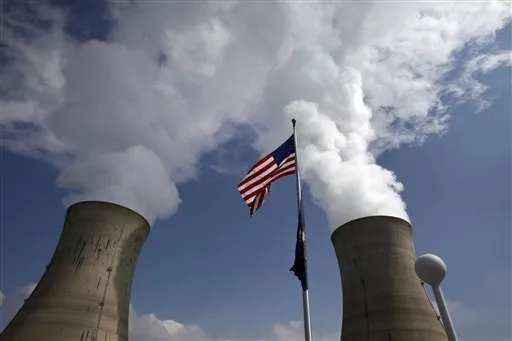
We've been big fans of Washington Gov. Christine Gregoire because she's a great supporter of clean energy and fighting global warming. This week she even wrote about those issues in an excellent OpEd for the Seattle Times. Yet while we support many of Gov. Gregoire's actions, we must also take issue when coal power gets a boost and the public is not allowed to voice its concerns.
In the past week, controversy arose when the Washington State Department of Ecology announced the results of a deal brokered between the Governor's office and the TransAlta Corporation, owners of the Centralia Coal Power Plant in Central Washington.
The deal rewrites the state's pollution rules for the Centralia Coal Plant and is the result of several months of closed door negotiations discussing several air quality issues which are normally openly regulated under the Clean Air Act. Although some of the specifics of the confidential agreement were disclosed at a recent Department of Ecology meeting, a spokesperson for the department has announced that the full discussions from the mediation process will remain confidential and that there are no plans to allow public comment or involvement in the mediation process or on the deal itself.
Dan Ritzman, the Western Regional Director of the Sierra Club's Beyond Coal Campaign, said this type of mediation process is highly unusual.
It's hard to know what to think when this whole process has been conducted behind closed doors, but it's hard to believe that this process is in the people's best interest. We haven't been told much about this deal, nor have we been given access to all the documents upon which Ecology based their decision.
Ritzman said the Governor's office entered into the mediation at the request of the Alberta, Canada, based corporation TransAlta. At the company's request, the mediation process was conducted with a confidentiality clause preventing public access or involvement. Ritzman speculates that TransAlta requested this deal seeking to come to an agreement on pollution standards for the coal plant while avoiding the public disclosures and involvement which are normally part of the regulatory process. Ritzman added that "this should have been handled through the regular process, the lack of transparency in these negotiations sets a dangerous precedent for the state."
Despite the coal plant being the state's single largest point emitter of green house gasses and Washington's only dirty coal plant, the new agreement fails to provide any guidance or regulations on global warming pollution. Interestingly, the Centralia Coal Plant was also absent from the Department of Ecology's plan to address climate change which was released last year during the state's confidential bargaining process with TransAlta.
Ritzman and the chapter also took notice that the Department of Ecology's plan calls for some additional monitoring, but no actual control, of the plant's mercury pollution.
It's impossible to know whether this is a good deal for the environment or not unless the public has the opportunity to review all the documents the Department of Ecology used to make this decision. We were under the impression the public would have an opportunity to comment on this agreement.
We know Gov. Gregoire cares about clean energy and fighting global warming. We will continue to urge her to move the state away from coal and to involve the public in the process of planning Washington's clean energy future.