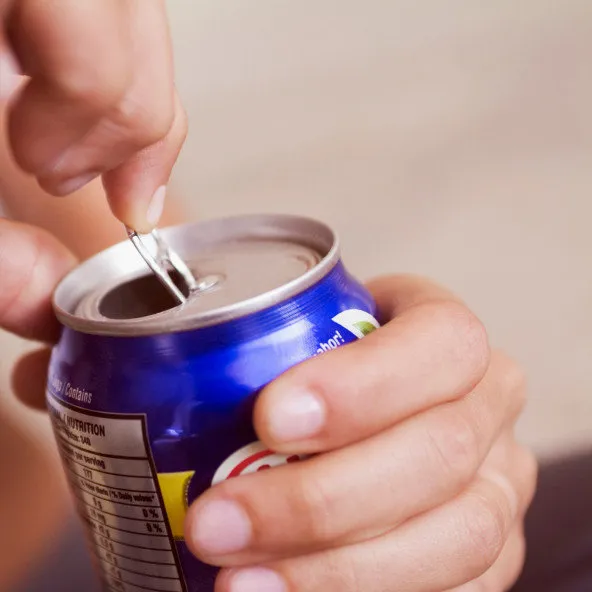
Ditching that regular soda and switching to a diet version may not be the perfect fix-it healthy solution. Research shows that both versions may lead to disease. Before consulting with clients and making recommendations, I like to review ongoing food and nutrition research -- especially regarding liquid calories.
Clients ask me, "What could be so bad about a no-calorie diet soda?" Well, studies show that artificial sweeteners alter your metabolism and increase your sweet tooth. They make you want more sugar, which means consuming more calories in the long run. The food industry has rapidly increased the production of foods with artificial sweeteners and Americans are heavier than ever! According to the Mayo Clinic, sugar substitutes are not "magic bullets for weight loss." They are synthetic and intensely sweet, much more than regular sugar itself. At the end of the day, keep it simple. One teaspoon of sugar is only 10 calories and is not going to harm you or make you fat.
Other research has recently linked diet soft drinks to disease. A nine-year study followed older adults who drank diet soda daily. The results showed a 48 percent higher risk of stroke, heart attack and death, even after adjusting for other risk factors. Arguably, this study hasn't been published in a peer-review journal and may have other confounding factors. However, as a nutritionist who has observed patterns of America's intake of artificial sweeteners, I've seen their long-term effects firsthand. Research on these sugar substitutes connects diet soda consumption to metabolic syndrome, chronic kidney disease, and Type 2 Diabetes.
When clients hear this they ask, "Isn't it better to have a regular carbonated soda instead?" Well, no, definitely not. According to Tufts' Irwin H. Rosenberg, M.D., "The real concern remains sugared soft drinks, which have gotten a free ride for years in their health impact." An abundance of studies have connected regular soft drinks to various health issues, beyond the increase in obesity. Too much pop may be bad for your bone health. A few studies have connected drinking cola to lower bone-mineral density in older women.
What's more, new research shows a connection between sugary soft drinks and high blood pressure. Another study done by Louisiana State University in 2010 found that those who drank one fewer sugary beverage per day lowered their blood pressure over an 18 month period. On top of these concerns, sugary soft drinks have been linked with pancreatic cancer.
This data is scary. One concern is that this research doesn't account for other lifestyle decisions, such as diet and exercise, exaggerating the relationships of soft drinks and disease. People who consume many soft drinks, diet or regular, may be making other poor choices or may already be at risk for obesity and heart disease. The fact remains thought that these beverages provide excess calories without providing essential nutrients. A 2009 study determined that cutting back on liquid calories may be more valuable than cutting back on calories from solid food.
Whole foods provide nutrients that your body needs, but it is important to remember the bottom line: portion control is the key to healthy eating.
What beverage guidelines do I give to my clients? The only way to avoid drinking large amounts of calories and sugar is to make water your default drink. Stop drinking sugary sodas and guzzling down sports drinks, juices and other flavored drinks. These brightly colored beverages contain corn syrup, artificial dyes and flavorings that your body doesn't need. You should drink approximately two liters of water a day. Most of your body -- approximately 65 percent -- is composed of water. Your brain is actually three-quarters water! Water is the most important power nutrient; without enough water, nutrients like carbs, proteins and fats can't get into your body's cells. Water keeps you hydrated and helps your body work optimally.
Other great tips that may help suppress that soda habit include:
- Sip on healthier beverages like flavored teas. Some great choices are Good Earth teas, (for a crisp taste), Celestial Indian Spice Chai Tea and all Tazo teas. If you need to sweeten your tea, try adding a teaspoon of Stevia, a no-calorie sweetener that comes from an herb native to South Africa. Another great choice is agave syrup. (Also use one teaspoon.)
References:
1. Yang, Qing, "Gain weight by "going diet?" Artificial sweeteners and the neurobiology of sugar cravings." Yale J Biol Med. 2010 June; 83(2): 101-108.
2. Northern Manhattan Study.
3. Vasanti S. Malik, SCD, Barry M. Popkin, PHD et al. "Sugar-Sweetened Beverages and Risk of Metabolic Syndrome and Type 2 Diabetes." Diabetes Car November 2010; 33(11): 2477-2483.
4. Koning, Lawrence de, Malik, Vasanti S et al. "Sugar-Sweetened and Artificially Sweetened Beverage Consumption and Risk of Type 2 Diabetes in Men." Am J Clin Nutr June 2011; 93(6): 1321-1327.
5. Bomback, A, Derebail, V et al. "Sugar-Sweetened Soda Consumption, Hyperuricemia, and Kidney Disease." Kidney International 1 April 2010; 77: 609-616.
6. Tucker KL, Morita K, Qiao N, Et al. "Colas, but Not Other Carbonated Beverages, are Associated with Low Bone Mineral Density in Older Women: The Framingham Osteoporosis Study." Am J Clin Nutr. October 2006: 84(4): 936-42.
7. Katherine L. Tucker. "Osteporosis Prevention and Nutrition." Current Osteoporosis Reports 2009
7(4):111-117.
8. I.J. Brown et al. "Sugar-Sweetened Beverage, Sugar Intake of Individuals, and Their Blood Pressure. International Study of Macro/Micronutrients and Blood Pressure" Hypertension, published online 28 February 2011.
9. Liwei Chen, M.D., Ph.D, M.H.S., et al. "Reducing Consumption of Sugar-Sweetened Beverages Is Associated With Reduced Blood Pressure. A Prospective Study Among United States Adults." Circulation 8 April 2010; 121(22): 2398-406.
10. Mueller, Noel et al, "Soft Drink and Juice Consumption and Risk of Pancreatic Cancer: The Singapore Chinese Health Study Cancer." Epidemiol. Biomarkers Prev. 2010; 19(2): 447-455.
11. Chen L, Appel LJ, Loria C, et al. "Reduction in Consumption of Sugar-Sweetened Beverages is Associated with Weight Loss: the PREMIER trial." Am J Clin Nutr. 2009 May; 89(5): 1299-306