
Alice Birungi's difficult but inspiring story will be part of the StopTB Talkshow on July 22. Here is a preview of her journey. A victim of sexual violence, she was infected with HIV, then got tuberculosis, and finally joined four other women to start an organization that helps young people live with HIV and overcome tuberculosis.
The first sign of trouble was coughing. Then came chest pain and night sweats. By the time Alice Birungi got to the hospital, these characteristic symptoms and an x-ray undeniably pointed to the source of her problems: Doctors said she had tuberculosis -- a deadly lung infection transmitted through the air.
This was not the first time Alice had to deal with such a threatening diagnosis. When she was 16 and a senior in high school, she was raped by her brother-in-law. Shortly after, she tested positive for HIV. Tuberculosis and HIV form a deadly combination, claiming 350,000 lives a year, despite the fact that tuberculosis can be cured.
"We were thinking about getting married so we wanted to plan for our future. We got tested and told we were both positive," says Alice of her and her boyfriend.
Women play a central role in maintaining and improving the health of their children and families. Mothers are caregivers, and when they become affected by disease, their illness leads to time off work, loss of income, and even death. Many children have been orphaned because of tuberculosis, and a motherless child is likely to die very young. As a result of infectious disease, families fall into a vicious downward spiral that may be carried forward to the next generation, pushing people deeper into disease and poverty.
This results in stereotypical labels, misconceptions and stigma. Many people think tuberculosis is a "poor man's disease" and that those who are infected with tuberculosis must also have HIV. For Alice this was true, but it is certainly not always the case. One of the hardest things for HIV and tuberculosis patients to deal with is the loneliness and isolation that this social stigma brings. For a long time, Alice decided to keep her diagnosis to herself for fear of being stigmatized, took her medicine in hiding, and lived in pain and fear.
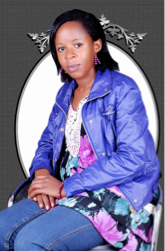
"One day, one of my friends was telling me about some young people she met who were openly talking about their HIV-positive status," Alice says. "I lied to my friend, telling her that my sister had HIV so that I could get their contact information. When I finally got in touch with them and met them, I felt like I was home."
Alice's experience motivated her and four other women to initiate Nagoke Youth, a community-based organization based in Tororo, Uganda that fights to improve the lives of young people affected by HIV/AIDS and tuberculosis. The group uses drama to reach out and raise awareness about the diseases and provides people with information, access to care and treatment. Having a support network of people who understand and care about each other gives tuberculosis and HIV patients hope and encouragement to start treatment and confront their infections.
Alice says:
When I first joined them I was afraid to go home. This group became my family and I was going there for comfort. We were all volunteers without money, but we were active through our work with the drama group. We thought it was good to disclose our status and be open in order to save more lives by sensitizing others. This experience has made me open my heart to support young people and any other person who is HIV positive.
Alice will be speaking at a talk show organized by the Stop TB Partnership, the IFRC and other partners including the UN Foundation on July 22 at the Newseum in Washington, D.C. You can watch the event live at http://www.stoptb.org/talkshow from 12 p.m. EST.