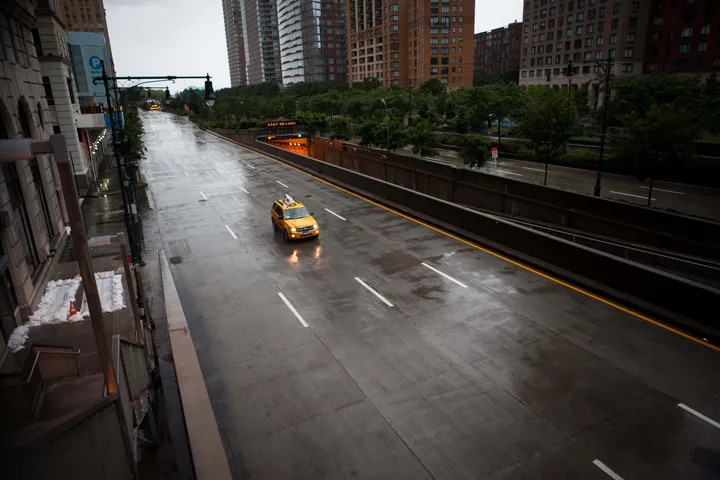
Hurricane Irene. Damn her! A tremendous storm with and unusual amount of power barreled through parts of the east coast seldom hit by hurricanes. If you are reading this, you're probably doing ok. You made it. But the dangers of a powerful hurricane are often far greater after the storm. There are a variety of safety issues one needs to be aware of post storm. Also, how do you deal with the inconveniences like no power, widespread closures, repairs and even just getting back home.
I lived in Miami for 15 years, where I was a Certified General Contractor and frequent contributor on the NBC affiliate as a home improvement expert. Floridians know a thing or two about hurricanes. I live in the NY area now and I am experiencing this storm, too.
Here are some tips for those of you who might be going through this for the first time.
Do Not Go Home Before You Are Told It Is Safe To Do So
Don't go home until the powers that be say it's ok. Everyone wants to go home. It sucks to be in a shelter or crashed on a friend's couch with your clothes in a knapsack. I totally get it. But try to be patient. Emergency officials will be working really hard to return you to your home as quickly and, more importantly, as safely as possible. New Yorkers tend to want what they want when they want it. This might not be the case in the next few days. Screaming at people and "Do you know who I am?" type talk won't fly right now. This is a safety issue. Suck it up.
When you do return home, do not turn on any electric or gas until the safety of these utilities has been confirmed. Make sure you check all electronic equipment for water damage before use. If you are uncertain, throw them out. A $50 toaster is not worth getting electrocuted over.
Do Not Go Outside or Let Your Children Outside
I know it's tempting. You want to inspect your property, pick up the pieces or you're just plain curious. Don't do it, even if you see your moronic neighbor out there. The majority of people who die after a storm die of trees falling on them. Stay inside until you are told it is safe to do so. When you do, tread carefully. If there has been structural damage to your home, or to trees in your yard, be very careful. Ask for assistance from fire and rescue officials before you risk getting injured from fallen debris.
If You Lost Power Do Not Light Up The House With Candles
After a major storm like Irene, hundreds of thousands will inevitably be without power. That in mind, all emergency personnel will be extremely busy. Response times might be longer than usual. If you have a fire in your home, it is somewhat likely they will not get to you in time. Use flashlights whenever possible. Fires not only put you in danger but put rescuers at risk. If you have small children, you should not be using candles at all unless you absolutely have to.
How Not To Get Electrocuted
What seems like something glaringly obvious ends up being the reason for dozens of deaths post hurricane. There can be dangling power lines in trees where you want to cut down a hanging limb. There can be fallen power lines in muddy puddles your 8 year-old son might want to jump through. Post hurricane, cabin fever sets in and you want to go for a drive around the neighborhood. Do not drive through standing water if downed power lines are in the water. Better yet, just stay home until your area has been cleared!
Please don't try to repair things beyond the scope of your skills. Call a licensed electrician. Don't be the neighborhood hero. Seriously.
Do Not Hire Workmen Who Come To Your Door
After any major national disaster, unlicensed repairmen do a happy dance. Your usual repairman is booked, prices might be at a premium and you're desperate. Do not, under any circumstances hire an unlicensed repairman, especially those who come knocking on your door. Don't let the lure of low rates and a quick fix open you up to scammers. I assure you, more headaches than you care to imagine will inevitably follow this decision. Out of town accents are usually a dead giveaway.
As Americans, we have a way of bouncing back, coming together, rolling up our sleeves and forging ahead. Let this experience be no different. Call a friend who might be alone, check on a coworker who might not have family in the area and ask your neighbor how he's making out. We've been through worse and we're going to be fine after this, too. Material possessions can always be replaced, people cannot. Stay safe and good luck.
My thoughts and prayers go out to the families of those who lost their lives in the storm.
For more information, go to http://www.ready.gov
I welcome any other tips readers might want to contribute. The comments left on my last post, "10 Hurricane Prep Tips From A Miami Girl" were invaluable to so many. Thank you!
Check your local listings for more of Courtney Cachet's ideas and tips on air and online. You can catch her frequent TV appearances nationwide, where she dishes out all the latest in home and lifestyle! Keep up with her on Facebook, and join the conversation!