iPhone app iPad app Android phone app Android tablet app More

Featuring fresh takes and real-time analysis from HuffPost's signature lineup of contributors
Dana Ullman

GET UPDATES FROM Dana Ullman
 

Do Antibiotics Make People Fat?

Posted: 03/17/10 09:00 AM ET

The obesity epidemic is rampant, and there are many reasons for this big fat problem. Although asking if antibiotics make us fat may initially sound like some type of joke, recent articles in Scientific American and Science magazine shows that some researchers are taking it seriously.

Actually, evidence suggesting that antibiotics may make people fat is old (but forgotten and ignored) knowledge. As far back as 1955, research published in a leading nutrition journal showed that weight gain may be linked to prolonged antibiotic usage.(1)

It is well-known that farmers supply livestock with frequent doses of antibiotics in the guise of "preventing disease," but it is also widely known that prolonged antibiotic usage causes such disruption in the digestive tracts of these animals that the food that they eat is not properly assimilated, leading to significant weight gain. Normal bacteria in the gut help animals (and humans) metabolize fat, but the deficiency of these normal bacteria, caused by antibiotic usage, disrupts proper fat metabolism, leading to weight gain. The farmers benefit from being able to sell fatter and heavier meat, even though meat quality is significantly compromised.

An article in the December 16, 2009, issue of Scientific American expresses serious concern that antibiotics kill off many important microbes essential for human life.(2) The Scientific American has even chosen the word "extinction" to refer to the disappearance of certain important bacteria that are killed off by antibiotics.

This article reports some impacts from antibiotic usage are short term, but other impacts are much more long-lasting and deleterious. Martin Blaser, a professor of microbiology and chair of the Department of Medicine at New York University Langone Medical Center in New York City, notes, "the [antibiotic resistance] selection can persist for years and possibly permanently." The gastric Helicobacter pylori bacteria (commonly referred to as "H. pylori"), for example, have been facing eradication in the U.S. and other developed countries in large part as a result of widespread antibiotic use. Although the demise of these bacteria has some medical benefits, including a decrease in the incidence of ulcers and gastric cancer, its reduced population can also increase the risk for various reflux diseases by upsetting the regulation of hormones and pH levels.

However, even more serious problems result from killing off of the H. pylori.
Blaser and Stanley Falkow, of the Department of Microbiology and Immunology at Stanford School of Medicine, note, "H. pylori-positive individuals have lower risks of childhood asthma, allergic rhinitis and skin allergies than those without H. pylori." These scientists also posited that the bacteria's role in mediating the hormone ghrelin, which helps regulate fat development and hunger, might also "be contributing to the current epidemics of early-life obesity, type 2 diabetes and related metabolic syndromes."

Blaser wonders, "If [H. pylori is] disappearing...might there be other things that are disappearing?" He worries that many other, less well-known or understood microbial species and even certain metabolic pathways might also be on their way out due to antibiotic use.

Science magazine has just published on March 4, 2010, other important research that observed similar phenomena as Blaser.(3) Researchers at Cornell, Emory, and the University of Colorado have found that gut microbiota determines how food is digested and fat is stored in the body. They too noted that antibiotics disrupt certain bacteria in the gut that can lead to obesity as well as to increased inflammatory processes that can cause metabolic syndrome, a serious condition that can lead to high blood pressure, high cholesterol levels, and a higher risk for developing diabetes and heart disease.

The uniquely American obsession with eradicating germs is also creating other problems, not just obesity. A study published in the December 9, 2009, issue of the journal Proceedings of the Royal Society B: Biological Sciences, is the first to investigate whether microbial exposures early in life affect inflammatory processes related to diseases in adulthood.(4) Remarkably, the Northwestern study suggests exposure to infectious microbes in childhood may actually protect youngsters from developing serious illnesses, including cardiovascular diseases, when they grow into adults.

"Contrary to assumptions related to earlier studies, our research suggests that ultra-clean, ultra-hygienic environments early in life may contribute to higher levels of inflammation as an adult, which in turn increases risks for a wide range of diseases," Thomas McDade, lead author of the study.

"Medication-related weight gain has become far more important over the past decade as obesity increases in prevalence and more people are taking medications for chronic illnesses,"(5) says Lawrence Cheskin, M.D., Director of the Johns Hopkins Weight Management Center.

Ultimately, microbial flora in the digestive tract plays a role in converting nutrients into calories. Reduced variations in microbiota composition are found in obese humans and mice.

Didier Raoult, MD, PhD, full professor at Marseille School of Medicine, has found that the microbiota from an obese mouse confers an obese trait when transferred to a mouse.(6) Dr. Raoult further asserts that there is a large body of experimental evidence and empirical data in the food industry showing that both antibiotics, which modify the gut microbiota, can act as growth promoters, increasing the size and weight of animals. He therefore concludes that the current obesity pandemic in human may be caused, in part, by antibiotic treatments.

This review of the literature on antibiotics and weight gain does not necessarily mean that a single round of antibiotics will make someone fat. However, it is increasingly common for people to take multiple rounds of antibiotics for recurrent infections and long-term usage of antibiotics to treat acne and various other diseases, such as Lyme Disease. It may be to question what short-term and long-term problems result from repeated antibiotic usage.

While repeated courses of antibiotics may sometimes lead to weight gain, there is also a case that can be made that some people experience deleterious weight loss as a result of diarrhea caused by antibiotics. This type of weight loss is rarely considered beneficial to the person's health because many important nutrients are excreted with the diarrhea, and this weight loss may be just as deleterious to the person's health as weight gain can.

In any case, antibiotics kill off the pathogenic bacteria as well as many of the important and beneficial bacteria in our bodies. Because health depends upon a complex web of life, pharmaceutical agents such as antibiotics that simplify this inner ecosystem weaken the web, thereby creating a wide variety of possible acute and chronic diseases. Even many serious diseases, such as breast cancer, have been found to have significantly increased incidence based on the degrees of higher usage of these drugs. (7) It is indeed important and even vital for health that people respect inner microbial life and reduce antibiotic usage.


Considering Alternatives to Antibiotics

Ultimately, health and medical professionals as well as the general public have to consider using various alternatives to antibiotics whenever possible. The good news is that we will ALL benefit from such actions, and further, that there IS a body of evidence to show that some alternatives are effective. When skeptics say that there is no evidence that alternative or homeopathic treatments are effective for infectious diseases, they are simply showing their ignorance of history and of modern clinical research (sadly, this ignorance does not seem to stop some skeptics, who I prefer to call "deniers", from trying to provide misinformation).

A little known fact of history is that the primary reason that homeopathic medicine became so popular in the 19th century was its remarkable results in treating people suffering from the infectious disease epidemics that raged at the time.(8)(9) Epidemics of cholera, scarlet fever, typhoid, and yellow fever were rampant and killed large numbers of people who became ill with them. And yet, death rates in homeopathic hospitals were commonly one-half or even one-eighth of the death rates in the conventional medical hospitals (at the turn of the 20th century, there were over 100 homeopathic hospitals in the US, at least one in every large population center).

Today, the American Academy of Pediatrics and the American Academy of Family Physicians no longer recommend antibiotics as routine when treating children with an ear infection.(10) In fact, they assert that a viable option is to AVOID ANTIMICROBIAL AGENTS during the first 72 hours. Because ear infections represent the most common reason that children seek medical attention, knowing about the alternatives to antibiotic usage is essential.

A randomized, double-blind, placebo-controlled study prescribed individualized homeopathic medicines or placebo to 75 children.(11) There were 19.9 percent more treatment failures in children given a placebo. Diary scores showed a significant decrease in symptoms at 24 and 64 hours after treatment in favor of those given a homeopathic medicine. What was particularly impressive about these results was that improvement from homeopathic medicines occurred rapidly, within the first day of treatment.

Another study that also provided evidence of rapid resolution of ear infection in children given a homeopathic medicine was a trial of 230 children.(12) These children were given an individually chosen homeopathic medicine. If pain reduction was not sufficient after just six hours, another individually-chosen homeopathic medicine was prescribed. The researchers found that 39 percent of patients experienced sufficient pain reduction in the first six hours and another 33 percent after just 12 hours. This improvement was 2.4 times faster than in children prescribed a placebo (the speed of improvement for patients given a placebo was determined by an earlier meta-analysis of those children given a placebo in a conventional medical treatment trial).

A study was conducted with 499 children between 18 months and four years of age who had had at least five bouts of acute rhinopharyngitis (cold and sore throat) in 1999 and who had consulted a physician in 2000 either for preventive treatment or for treatment of a current episode.(13) A post-hoc analysis was conducted of these children, 268 of whom were treated by a homeopathic MD and 231 who were treated by a non-homeopathic MD. The researchers evaluated the children who had received at least one homeopathic medicine but no antibiotics and compared them with those children who were treated with antibiotics but no homeopathic medicines.

The researchers found that the children prescribed a homeopathic medicine were significantly more likely to experience a positive result of treatment compared with those children prescribed an antibiotic (the number of episodes of acute rhinopharyngitis: 2.71 vs. 3.97, P<0.001). The researchers also found that the children given a homeopathic medicine had significantly fewer complications and a higher quality of life. Further, the study found that the parents of the children given the homeopathic medicine had significantly less sick-leave days than the parents of children given an antibiotic (9.5 percent vs. 31.6 percent; P<0.001).

Research has also shown that homeopathic medicines can be real lifesavers for people with serious, even life-threatening infections, such as severe sepsis. The incidence of severe sepsis in the United States is between 70,000 to 300,000 patients per year. Septic shock often leads to death in-between 40 percent -- 90 percent of cases.

At a University of Vienna hospital, 70 patients with severe sepsis were enrolled in a randomized double-blind, placebo-controlled clinical trial, measuring survival rates at 30 days and at 180 days.(14) Those patients given a homeopathic medicine were prescribed it in the 200C potency only (in 12 hour intervals during their hospital stay). The survival rate at day 30 was 81.8 percent for homeopathic patients and 67.7percent for those given a placebo. At day 180, 75.8 percent of homeopathic patients survived but only 50.0 percent of the placebo patients survived (p=0.043). One patient was saved for every four who were treated.

The researchers concluded that homeopathy may be a useful addition with long-term benefit for severely septic patients.

Today's medicine needs alternatives to antibiotic treatment and, more than ever, we need an integrative model of medicine that brings together of best of conventional medicine and with the variety of natural therapeutic interventions. Welcome to the 21st century!


References:

(1) Haight T, Pierce W. Effect of Prolonged Antibiotic Administration on the Weight of Healthy Young Males. Journal of Nutrition. May 1955, Volume 56, Issue 1. http://jn.nutrition.org/cgi/reprint/56/1/151.pdf

(2) Harmon K. Bugs Inside: What Happens When the Microbes That Keep Us Healthy Disappear? Scientific American, December 16, 2009. http://www.scientificamerican.com/article.cfm?id=human-microbiome-change

(3) Vijay-Kumar et al. Metabolic Syndrome and Altered Gut Microbiota in Mice Lacking Toll-Like Receptor-5. Science 4 March 2010: science.1179721v1-1179721
DOI: 10.1126/science.1179721. Reported in: Park A. A Hidden Trigger of Obesity: Intestinal Bugs. Time. March 5, 2010. http://www.time.com/time/health/article/0,8599,1969807,00.htm

(4) McDade T. Early Origins of Inflammation: Microbial Exposures in Infancy Predict Lower Levels of C-reactive Protein in Adulthood," Proceedings of the Royal Society B: Biological Sciences. December 9, 2009. http://www.northwestern.edu/newscenter/stories/2009/12/germs.html

(5) http://www.johnshopkinshealthalerts.com/alerts/prescription_drugs/JohnsHopkinsPrescriptionsDrugsHealthAlert_656-1.html

(6) Raoult D. Obesity pandemics and the modification of digestive bacterial flora.
European Journal of Clinical Microbiology & Infectious Diseases. 27, 8(August, 2008): 631-4.

(7) Velicer CM, Heckbert SR, Lampe JW, Potter JD, Robertson CA, Taplin SH. Antibiotic use in relation to the risk of breast cancer. JAMA. 2004 Feb 18;291(7):827-35. http://www.ncbi.nlm.nih.gov/pubmed/14970061

(8) Bradford TL, The logic of figures: The comparative results of homeopathic and other treatments. Philadelphia: Boericke and Tafel, 1900.

(9) Coulter H.L., Divided Legacy (vol. II, III). Berkeley: North Atlantic, 1975, 1977.

(10) http://aappolicy.aappublications.org/cgi/content/full/pediatrics;113/5/1451#SEC10

(11) Jacobs, J, Springer, DA, Crothers, D, "Homeopathic Treatment of Acute Otitis Media in Children: A Preliminary Randomized Placebo-controlled Trial," Pediatric Infectious Disease Journal, 20,2 (February 2001):177-183.

(12) Frei, H, and Thurneysen, A, "Homeopathy in Acute Otitis Media in Children: Treatment Effect or Spontaneous Resolution?" British Homeopathic Journal, October, 2001,90:180-182.

(13) Trichard, M, Chaufferin, Nicoloyannis, N., Pharmacoeconomic Comparison Between Homeopathic and Antibiotic Treatment Strategies in Recurrent Acute Rhinopharyngitis in Children, Homeopathy (2005)94, 3-9.

(14) Frass M, Linkesch, M, Banjya, S, et al. Adjunctive homeopathic treatment in patients with severe sepsis: a randomized, double-blind, placebo-controlled trial in an intensive care unit. Homeopathy 2005:94;75-80.
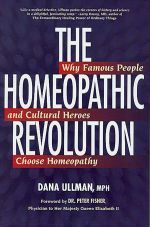

Dana Ullman, MPH, is America's leading spokesperson for homeopathy and is the founder of www.homeopathic.com. He is the author of 10 books, including his bestseller, Everybody's Guide to Homeopathic Medicines. His most recent book is, The Homeopathic Revolution: Why Famous People and Cultural Heroes Choose Homeopathy. Dana lives, practices, and writes from Berkeley, California. Dana has just returned from speaking on homeopathy at the American Medical Students Association's national conference.


Follow Dana Ullman on Twitter: www.twitter.com/HomeopathicDana

The obesity epidemic is rampant, and there are many reasons for this big fat problem. Although asking if antibiotics make us fat may initially sound like some type of joke, recent articles in Scienti...
 
 
  • Comments
  • 158
  • Pending Comments
  • 0
  • View FAQ
Comments are closed for this entry
View All
Favorites
Recency  | 
Popularity
Page: 1 2 3  Next ›  Last »  (3 total)
HUFFPOST SUPER USER
Ozark Homesteader
http://ozarkhomesteader.wordpress.com
09:59 PM on 05/02/2010
Neurological Lyme disease can only be treated with long-term high doses of antibiotics because (1) the variations in the forms/life stages of the spirochetes require re-treatment as the spirochetes emerge from the 4th (dormant) stage and (2) it's so hard for drugs to penetrate the blood-brain barrier. If you've got an alternative that will cure Lyme infections, then you can make a mint. In the meantime, your listing of Lyme treatment as if it is similar to treating kids' ear infections and cold with unnecessary antibiotics is irresponsible.
01:23 PM on 03/25/2010
tox . THE INTEGRATED APPROACH TO TREATMENT IS THE ANSWER.
12:48 PM on 04/05/2010
Argghhh, can't post a new comment, so I'm posting here.

Great article - Zen and the Art of Debunkery

http://www.tcm.phy.cam.ac.uk/~bdj10/scepticism/drasin.html

The article begins thusly:
Part 1: General Debunkery

Before commencing to debunk, prepare your equipment. Equipment needed: one armchair.

Put on the right face. Cultivate a condescending air that suggests that your personal opinions are backed by the full faith and credit of God. Employ vague, subjective, dismissive terms such as "ridiculous" or "trivial" in a manner that suggests they have the full force of scientific authority.

Portray science not as an open-ended process of discovery but as a holy war against unruly hordes of quackery- worshipping infidels. Since in war the ends justify the means, you may fudge, stretch or violate the scientific method, or even omit it entirely, in the name of defending the scientific method.

Highly recommended reading. Great for a good belly laugh before re-engaging with the scientism-ists.
photo
HUFFPOST SUPER USER
time4truthnow
Truth about vaccinations activist
01:43 PM on 04/05/2010
"THE INTEGRATED APPROACH TO TREATMENT IS THE ANSWER."
01:20 PM on 03/25/2010
This is absolutely a very interesting article. Dana has brought out the fact that what harm antibiotics does when repeatedly given. What I found throughout this article and comments that we are just not bothered about the suffering humanity, we are only bothered about whether homoeopathy works or not. The only answer is an integrated approach as mentioned in the article. I am practicing homoeopathy in ENT clinic in Bakson Homoeopathic Medical College, Greater Noida, since 6 years together with an ENT specialist (contempary medicine). This integrated approach gave us successful results with very few failures. The alternative to antibiotics is Homoeopathy. We also have cured case of tympatic membrane perforation with homoeopathic medicine Rhus
photo
HUFFPOST SUPER USER
Sheldon101
sheldon101blog.blogspot.com Wakefield transcripts
05:22 PM on 04/04/2010
You make your living pushing nonsense. Those who disagree with you, here, rarely making any money off this.

But you feel that only those who agree with you are out to help "suffering humanity." What hubris.
photo
HUFFPOST SUPER USER
mofmars333
12:34 PM on 03/22/2010
For the deniers here using "Quackwatch" to discredit homeopathy, the site & it's founder, as well as some associated with it, have been effectively discredited as evidence shows.

"Failed MD Stephen Barrett"

"What kind of man would drop out of the medical profession and dedicate his life to STOPPING advancement in the health sciences?"

http://www.quackpotwatch.org/quackpots/quackpots/barrett.htm

Dr. Stephen Barrett of Quackwatch Exposed In Court Cases

http://www.canlyme.com/quackwatch.html

Is Stephen Barrett a Quack?

http://www.raysahelian.com/quackwatchhtml

"Quackwatch" Founder Stephen Barrett loses Major Defamation trial in Hometown

http://www.mysticgateway.org/pages/watbarrett.html

Quackbuster Stephen Barrett: "Not an Expert," Declares Judge!

http://www.mnwelldir.org/docs/editorial/quack.htm

Stephen Barrett doesn't buy Gulf War Syndrome? And he expects us to buy him?

http://curezone.com/forums/fm.asp?i=567054
photo
StThomas
Not until I see the holes of the nails....
01:46 PM on 03/22/2010
You have demonstrated that many people don't like Barrett; No one on Huffpohowever has managed to refute anything he has _said_on Quackwatch.
photo
HUFFPOST SUPER USER
mofmars333
02:29 PM on 03/22/2010
lol, that's funny & you may be the only one who believes that, if you really do, StThomas.
photo
HUFFPOST SUPER USER
Sheldon101
sheldon101blog.blogspot.com Wakefield transcripts
10:35 PM on 03/22/2010
Marsha, you are either libelling Dr. Barrett or coming very close to it. The Sullivan defense would not apply to you. You have also published comments with your name and, I believe telephone number.

Dr. Barrett has sued those who have libelled him before. Do you want to get sued?
photo
HUFFPOST SUPER USER
mofmars333
01:38 PM on 03/23/2010
You can't sue truth! Steven Barrett, the founder of "Quackwatch", can't sue me because he'd have a lot of proving to do first, such as in this case of homeopathy. He'd have to prove it doesn't work & considering that it does, he can't prove different so he'd be fighting a losing battle, Sheldon. You, being the smart person you are, should know, I know that.
11:07 AM on 03/22/2010
We don't need to resort to magic:
http://en.wikipedia.org/wiki/Bacteriophage
photo
HeresHoping
I named my avatar before Obama ran, so chill
04:42 PM on 03/21/2010
Why does this article swerve from an interesting hypothesis about a correlation between antibiotics & obesity, to selling homeopathy?
10:55 AM on 03/22/2010
Because Ullman sells books about homeopathy and advertises them here in the form of "articles".
photo
HUFFPOST SUPER USER
mofmars333
12:24 PM on 03/22/2010
Why were my comments being censored all day yesterday but discrediting of homeopathy & Dana by the deniers goes on?
photo
StThomas
Not until I see the holes of the nails....
01:48 PM on 03/22/2010
Perhaps your comments were tending towards information overload. Perhaps fewer, better argued comments would get your message across better
:-)
07:16 PM on 03/19/2010
For those of you that read, there have been a slew of research looking at bowel flora and obesity and bowel flora and breast cancer risk. All of the research speaks about the use (over-use) of antibiotics and the contribution antibiotics pay in altering the bowel flora.
here is a link to antibiotics and estrogens in regard to breast cancer risk. the research was done at TUFTS MEDICAL CENTER
http://www.jstor.org/pss/4453306
somewhere, a butterfly is flapping it's wings!
Toni Bark MD,LEEDap
This user has chosen to opt out of the Badges program
11:30 AM on 03/19/2010
"Last month, the Commons science and technology committee published a detailed report into the evidence for the efficacy, or otherwise, of homeopathic remedies. [You can read it here.]

After taking oral testimonies from scientists, doctors and homeopathy advocates, the committee recommended the government halt NHS funding for this kind of alternative medicine and said the Medicines and Healthcare Products Regulatory Agency should ban false statements of medical efficacy on the labels of homeopathy products."
http://www.guardian.co.uk/science/blog/2010/mar/12/mps-and-evidence-for-homeopathy
HUFFPOST SUPER USER
ChristyRed
11:59 AM on 03/19/2010
Most of the world now knows the Sci & Tech Com. was a kangaroo court instigated by the UK political pressure/"skeptic" group Sense about Science. SAS receives a good deal of income from such drug companies as Pfizer, GlaxoSmithKline and AstraZeneca (34,000 pounds alone). As Blix knows, Dana Ullman discussed this in his last blog.

www.sourcewatch.org/index.php?title=Sense_about_Science

The recently resurrected Sci & Tech Com. is made up of 5 members three of whom voted against homeopathy. Of those three, two did not attend any investigational meetings and one wasn't even a member during the hearings. The third "no" vote came from Dr. Evan Harris, a devout antagonist of homeopathy who was caught by video cameras taking part in that foolish demonstration outside Boots. (All that demonstration proved was that Dr. Harris is not unbiased and that he and the others don't know anything about homeopathy.)

There are 74 studies of homeopathy as compared to placebo. Sixty-three of them evidence FOR homeopathy, but the committee conveniently ignored this material. Also ignored were the 150+ methodologically reliable, controlled studies published in at least 24 int'l and nat'l, conventional journals such as Cancer, Int'l J of Oncology, Rheumatology, BMJ, Lancet, British Journal of Clinical Pharmacology, Pediatrics, Thrombosis Research and Archives of Otolayrngology/Head and Neck Surgery.
photo
StThomas
Not until I see the holes of the nails....
12:40 PM on 03/19/2010
The Science and Technology committee isn't "instigated" by Sense about Science, it's a parliamentary select committee

http://www.parliament.uk/parliamentary_committees/science_technology.cfm
photo
cable1977
Against logic there is no armor like ignorance
01:00 PM on 03/19/2010
Unfortunately for your argument Sense about Science receives far more income from other sources than from drug companies.

How does one define "good deal of income"? And where is the source for that 34,000 number?

If one looks at the income information, provided by Sense about Science itself (obviously they are not hiding anything) and linked to by sourcewatch, then you can see for yourself where the income comes from.

Trusts and foundations - 45.1%
Companies and trade asscociations - 17.1%
Publishing companies - 13.0%
Professional societies and publicly funded institutions - 17.2%
Individuals - 4.5%
Interest - 1.0%
Miscellaneous - 1.9%

Therefore, companies and trade associations, of which BigPharma is only part of as other companies donate to this association as well, make up 17.1% of the income. So, even if all of the company derived donations come from BigPharma, which they don't, that means that 82.9% of income is derived from non-BigPharma sources. Therefore, most of the SAS funding is not from BigPharma.

And as to the point of whether the policies of the foundation are dictated by their supporters I would look here:

http://www.senseaboutscience.org.uk/docs/PeterStott.ppt

That is a presentation about the dangers of man-made climate change. And yet British Petroleum is a sponsor of the company. Somehow it would seem to me if Sense about Science bent to its supporters then it would be in the business of denying the existence of man-made climate change.
HUFFPOST SUPER USER
ChristyRed
12:07 PM on 03/19/2010
On the heels of the Sci & Tech Com. report came news of a ground-breaking study done at M.D. Anderson Cancer Center (one of the most highly respected US centers), Texas U., showing that four homeopathic remedies kill breast cancer cells. This study was published in International Journal of Oncology.

www.spandidos-publications.com/ijo/36/2/395
photo
cable1977
Against logic there is no armor like ignorance
12:53 PM on 03/19/2010
Wow. How many times will you post the same article over and over again? It is not at all a good paper with many methodological flaws that make it impossible to draw any conclusions from that paper other than that that particular journal needs a better editorial review process.

For those who haven’t read the study, the full study is available here:

http://scepticsbook.com/wp-content/uploads/Cytotoxic-effects-of-homeopathic-remedies-on-breast-cancer-cells-2010.pdf

It is not at all a good quality paper. Here’s a good general critique of the paper:

http://scepticsbook.com/2010/02/14/a-giant-leap-in-logic-from-a-piece-of-bad-science/

Some quick points: Worst flow cytometry data I’ve ever seen published. No quantitated fluorescence microscopy. No statistics on the main viability assay and given that the solvent alone has a strong effect on viability, the statistics are definitely needed. No statistics, or even error bars, on cell cycle analysis and it’s unclear whether or not solvent alone was used for these analyses as a control (again given that solvent alone appears to have a pretty significant effect).
ThinkCreeps
Seriously, it's time.
06:33 AM on 03/19/2010
Bacterial infections can make you very very thin indeed. Wasn't life great in the 1930's?
photo
HUFFPOST SUPER USER
love2lindy
Progressive Party, NOW!!!
11:59 AM on 03/18/2010
Tried to comment yesterday but it contained a critique of Huffpost itself, so I guess it wasn't deemed acceptable by the mods. Trying again...

The article made sense to me until the homeopathy part - then you lost me. I consider homeopathy bunk and so do most (all?) reputable medical practitioners. Huffpost does itself no favors by continuing to allow posting of this kind of tripe.
photo
HUFFPOST BLOGGER
Dana Ullman
Evidence Based Homeopath
02:55 PM on 03/18/2010
"love2lindy" considers homeopathy "tripe," and I bet she really hates the fact that there is a body of both historical and scientific evidence that shows that it works.

This skeptic is also uninformed or misinformed about the degree of acceptance that homeopathy has worldwide...but this would require her to read (instead of watching youtube videos). My previous blog at this site would educate her (and others) about this subject: Homeopathic Medicine: Europe's #1 Alternative for Doctors -- http://www.huffingtonpost.com/dana-ullman/homeopathic-medicine-euro_b_402490.html

It has been quite refreshing having so few skeptics spew their misinformation for THIS article. Perhaps I have finally won them over or perhaps they realize that they are won and that most people here see that.
photo
HUFFPOST SUPER USER
DebbyBruck
Founder Homeopathy World Community
05:44 PM on 03/18/2010
I guess that provides something to ruminate about, both the fact that HuffPost deemed necessary to find post unacceptable and the fact that people get lost when it comes to homeopathy.

Sometimes, when things are not clear to us, they simply don't make any sense at all. It may take a few years when everyone catches on.
photo
HUFFPOST SUPER USER
Sheldon101
sheldon101blog.blogspot.com Wakefield transcripts
08:04 PM on 03/18/2010
The problem is that part of what you write about, might make sense: That antibiotics might contribute to weight gain. To comment knowledgeably about this topic, you need a lot of knowledge. What is amusing to watch is your crew of sychophants at work.It isn't obviously wrong, like homeopathy.

After a good start, we see your standard nonsense at work. It is possible to understand how antibiotics and bacteria work. And that antibiotic resistance makes sense in terms of evolution. This is so different from homeopathy where bacteria, plants, animals and humans for millions and millions and millions of years are supposed to have acquired and conserved the genetic material that allows the ideas of a German doctor of a few centuries ago to have his provings come true. It makes no sense.

Unlike some others, I want an explanation that is consistent with physics, chemistry and biology that explains how homeopathy works. There just isn't one. At best, there is some mumbling about physics and some mumbling about the structure of water which only last for tiny parts of a second. But no explanation of how whatever gets into the body somehow or another actually does anything. It is just ridiculous magic.

I think has to be very tough on Mr.Ullman, because he believes, unlike others, that he needs to have science on his side. Sorry, it isn't and it never will be.
HUFFPOST SUPER USER
ChristyRed
09:34 AM on 03/19/2010
Love2lindy's "bunk" is the most curative system of medicine I've ever used. It's been so great--gently but dynamically healing on every level--that I wouldn't want to face any medical problem, big or small, without it.
07:51 AM on 03/18/2010
While I do think antibiotics are overprescribed, I'm more concerned with the antibiotics we get from eating meat that's been given antibiotics. I think this secondary source is more harmful than getting it for serious medical conditions. Should it be prescribed less? For sure, but we probably get bigger "doses" from eating meat.
photo
HUFFPOST SUPER USER
Sheldon101
sheldon101blog.blogspot.com Wakefield transcripts
08:04 PM on 03/18/2010
I agree that dosing animals, who aren't sick, with antibiotics is just stupid.
12:44 AM on 03/18/2010
It is quite surprising to note that even for viral diseases, tons of antibiotics are prescribed. The silly reason they give is "to prevent secondary infection".

Actually the antibiotics can only suppress the bacterial diseases for a few days, but the patient comes with some other serious disease along with the side effects of the antibiotics.

Dr Muhammed Rafeeque
FamilyHomoeopathy.com
photo
HUFFPOST SUPER USER
Sheldon101
sheldon101blog.blogspot.com Wakefield transcripts
08:07 PM on 03/18/2010
I would love to see the proof that "Actually the antibiotics can only suppress the bacterial diseases for a few days, but the patient comes with some other serious disease along with the side effects of the antibiotics. "

So if someone has a venereal disease that is not resistant to the antibiotics given then the disease never goes away? What a fascinating and wrong idea.
HUFFPOST SUPER USER
ChristyRed
08:37 AM on 03/19/2010
I've found that homeopathics do a wonderful job of treating infections quickly, effectively and inexpensively.

Women who use Cantharis to treat bladder infections find that the infection is on its way to being fully resolved before the report comes back from the lab. No need to suffer through days of unnecessary discomfort and no need to use antibiotics. A tube of 80 pilules of a homeopathic costs about $6 and can last half a lifetime especially if its used by dissolving one pilule in 4 oz of water. For other types of infection Calendula, Hepar sulph and Apis work wonders.

I haven't had to use an antibiotic since I discovered homeopathy a dozen years ago.
photo
HUFFPOST SUPER USER
Sheldon101
sheldon101blog.blogspot.com Wakefield transcripts
HUFFPOST SUPER USER
coldwatermd
08:39 PM on 03/17/2010
The drawbacks of antibiotics are becoming more pronounced the longer we are using them. Herbal remedies have been used in the past - and may be the solution for the future.

Alexa Fleckenstein M.D., physician, author.
photo
HUFFPOST SUPER USER
Sheldon101
sheldon101blog.blogspot.com Wakefield transcripts
08:37 PM on 03/18/2010
So explain to us how herbal remedies will work against the increasingly antibiotic resistant bacteria?
HUFFPOST SUPER USER
coldwatermd
10:23 PM on 03/18/2010
Sheldon101,

We know that some herbs have antibiotic properties - like oreganol (the essential oil of oregano), for instance. Since resistance in bacteria usually happens by point mutation, it is much less likely that they develop resistance against herbs because plants are composed of hundreds of compounds, several of which might work against the bacteria. In contrast, conventional antibiotics are single-agent drugs; if one bacterium develops a mutation that protects it against the antibiotic action, soon there will be gazillions of resistant bacteria. This is how the methicillin-resistant bacteria came into being.

Other herbs that have antibiotic activity are garlic, goldenseal, barberry, goldthread, blueberry - among others. GSE (Grapefruit Seed Extract) works empirically against infections, but it is still unclear if this is due to the grapeseed or due to additives in the concoction.

Other herbs can fight bacteria by increasing immune activity - like echinacea and certain mushrooms.

Malaria (which is not caused by bacteria but by a plasmodium) can be prevented by an artemisia species. I predict that we will find many more useful herbs in the future. This does not mean we should abandon all antibiotics. But we should use them more prudent (and certainly not routinely for livestock!). Herbs and conventional antibiotics can complement each other.

Alexa Fleckenstein M.D., physician, author.
photo
HUFFPOST SUPER USER
George Manchester
07:51 PM on 03/17/2010
good grief

This is really stupid,
if this matters to you, you should really reconsider your priorities.

in fact, check out this video about the real problems of the world and then tell me if this is still that important to you.

http://www.youtube.com/watch?v=R5P5Npb6NmM

I bet you can’t make it all the way through this video without crying.
01:27 AM on 03/18/2010
Thank you for such a powerful video.
HUFFPOST SUPER USER
ChristyRed
08:54 AM on 03/18/2010
Every issue that affects people negatively is important. Child slavery is an horrendous cruelty not to be allowed. Nonetheless, the ill effects of antibiotics also merit attention, and that is what is being discussed here.

Perhaps GeorgeManchester can spearhead action that is guaranteed to correct both problems.
photo
HUFFPOST SUPER USER
Sheldon101
sheldon101blog.blogspot.com Wakefield transcripts
09:52 PM on 03/18/2010
What is being discussed here is the fantasy that homeopathy works.

It isn't even a plausible fantasy.
04:27 PM on 03/17/2010
I know they destroy the intestinal bacteria, the citically important aspect of our immune system! Why do conventional doctors never tell us that? Anitbiotics means Anti- life. literally folks. Antibiotics have a strong correlation with female breast cancer as well. Practically NO pharma drug is effective. Most all are dangerous.

You want to talk real health care reform? Eliminate the drug paradigm. Teach doctors how to teach us to prevent and cure disease. Mother Nature knows how. Why don't doctors?
photo
cable1977
Against logic there is no armor like ignorance
07:23 PM on 03/17/2010
I think I have to make an objection to intestinal bacteria being the critically important part of our immune system. Can you provide some evidence of that?

Take an individual and remove all his intestinal bacteria....he will still survive. It can be an important contributor to health, but is not critical to the immune system, as critical implies that the immune system would not function without it.

http://www.ncbi.nlm.nih.gov/pubmed/15894105

"Although many animals including humans can live without gut flora, it is beneficial for the growth and protection of the host against pathogens."

A much more critical component to the immune system would be lymphocytes. An individual will not survive long without those.

http://en.wikipedia.org/wiki/Severe_combined_immunodeficiency

"Chronic diarrhea, ear infections, recurrent Pneumocystis jirovecii pneumonia, and profuse oral candidiasis commonly occur. These babies, if untreated, usually die within 1 year due to severe, recurrent infections."

SCID individuals cannot survive without treatment or isolation. You know what causes that chronic diarrhea? Your so called "critically important aspect of our immune system".