College students take a lot of drugs. Surprise, right?
Only it’s apparently not the fun drugs people worry about anymore. Now it’s the stimulants students take to study that's the big new scandal in campus life.
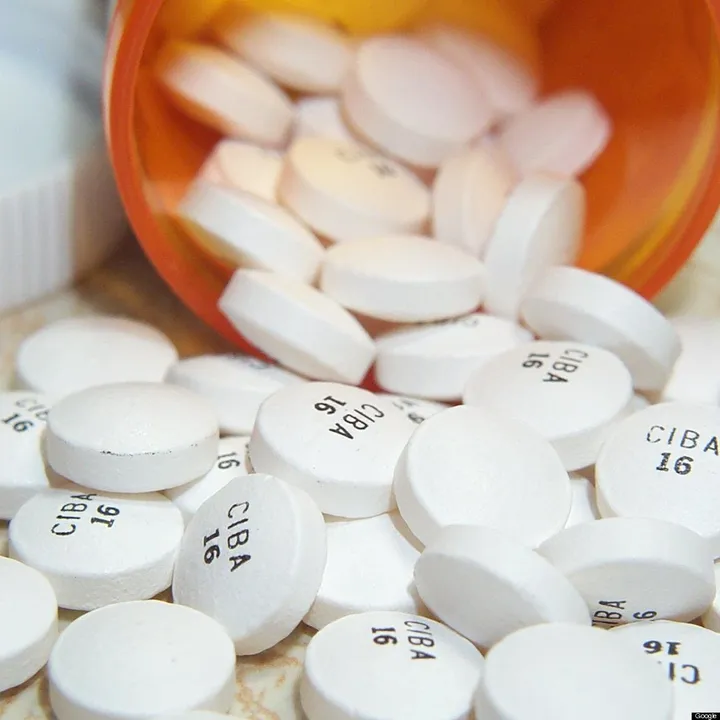
Oh, Ritalin. Such an important part of college were you. Little and round and white, the source of, and solution to, so much anxiety during exam periods. And now colleges are cracking down. According to a piece in Inside Higher Ed:
This semester, Wesleyan University administrators modified the student Code of Non-Academic Conduct to ban the “misuse or abuse” of prescription drugs.The misuse of prescription drugs was banned not because of concerns over health, safety or illegality… but because the activity violates the spirit of the student honor code.
So apparently it’s cheating. Granted, it’s not really the most effective form of cheating. It never really seemed to work that well. If you didn’t know the information no stimulant was going to put it in your brain and while the pill always seemed to help with concentration, in the long run the quality of the papers people wrote was virtually the same, no matter what we were on when we wrote them.
There was something at least symbolically important about taking stimulants to study; that meant you were serious, that meant this was a big test.
So what’s going to be the result of the Wesleyan ban? Probably nothing. The trouble here is that “misuse” is so ill-defined. While everyone knows that people use stimulants like Ritalin and Adderall when they’ve got a big test, it’s pretty hard to find someone who takes these sorts of drugs responsibly.
So it’s cheating if a student with no learning disorder uses Adderall to study but it’s totally okay if the student has been diagnosed with Attention-Deficit Disorder—a condition with no objective measures for identification and one that’s said to be wildly over diagnosed—and uses prescribed stimulants when he’s got a lot of work to do?
What always seemed truly baffling was the way that people who actually had ADD seemed totally willing to sell their prescription drugs. Didn’t they need them all the time for even basic concentration?
Well no, they didn't. Stimulants seem to help everyone study (I mean, they don’t help much, but they help a little if you know how to use them properly). So what’s the difference between someone who uses neuroenhancing drugs legitimately and someone who doesn’t? They don’t seem to be too much different to begin with and they don't earn different grades in the end. It’s just a matter of a prescription, which is damn easy to obtain.
Too much use of stimulants in order to complete schoolwork probably isn’t the recipe for long-term satisfaction or health, but is it cheating? Come on. If these sorts of drugs are cheating, “fair” doesn’t even mean anything anymore.