

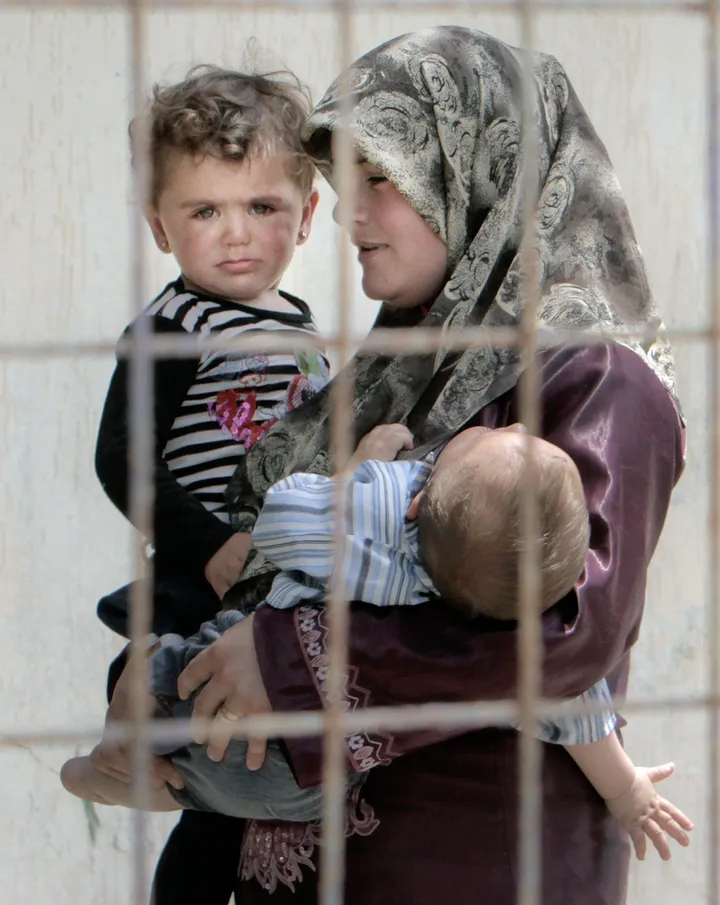
The Obama administration did the right thing by offering temporary protected status (TPS) to nationals of Syria who are currently present in the United States. Temporary protected status provides a safe haven for citizens of a foreign state where there is an ongoing conflict within the country that poses a serious threat to the personal safety of the country's nationals if they returned home. It is usually granted for up to 18 months during which time citizens of the protected country -- in this case Syria -- may remain and work in the United States, as long as they appropriately register for TPS and pass security checks.
Since January 2011, when Syrian citizens began what eventually became a nationwide uprising against Syrian President Bashar al-Assad and his Ba'ath Party rule, more than 9,000 Syrians --including women and children -- have reportedly been killed in clashes with the Syrian military. The conflict is ongoing and al-Assad has thus far shown no signs of yielding to international pressure to stop the murder of his own people.
In a statement issued Friday, Homeland Security Secretary Janet Napolitano explained that TPS was necessary because of the extreme threats posed to Syrian nationals should they return to their country under current conditions.
In light of the deteriorating conditions in Syria, I am announcing that DHS will be designating Syria for Temporary Protected Status (TPS) for Syrians currently present in the United States. Conditions in Syria have worsened to the point where Syrian nationals already in the United States would face serious threats to their personal safety if they were to return to their home country. Early next week, the Department will publish a notice in the Federal Register that will provide further guidance about TPS eligibility requirements and registration procedures. All applicants must undergo full background checks and while Syrians in the United States are encouraged to apply, they should not submit their applications before the notice is published.
It is a common refrain that the immigration law is broken and doesn't work. And while that's largely true, there are parts of the statute that do function reasonably well. TPS is one such provision. In the case of Syria it will undoubtedly save many lives.
President Obama should be applauded for doing the right thing.