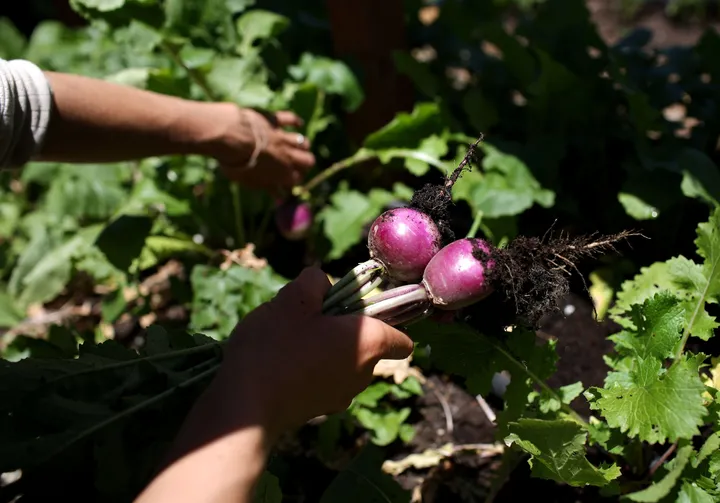
The question often gets asked, "What does sustainable food mean exactly?"
Most people seem to agree that when it comes to farming, cooking and eating, sustainable is a good thing. But it also seems to mean something a little different depending on who you ask. Well, if you ask American Feast we have some ideas on what it means and why it's important.
Let's look at an official definition for farming. "Sustainable agriculture" was addressed by Congress in the 1990 "Farm Bill." Under that law, the term sustainable agriculture means an integrated system of plant and animal production practices having a site-specific application that will, over the long term:
- Satisfy human food and fiber needs.
- Enhance environmental quality and the natural resource base upon which the agricultural economy depends.
- Make the most efficient use of nonrenewable resources and on-farm resources and integrate, where appropriate, natural biological cycles and controls.
- Sustain the economic viability of farm operations.
- Enhance the quality of life for farmers and society as a whole
We heartily endorse those goals and practices for sustainable farms and we'd like to make some additions for everyone who shops for food, cooks it up, and loves eating well as much as we do.
Consumers play an important role in determining the health of the environment we inhabit and the one our children will be living in after we're gone. It's important for people to know about the source of the foods they consume; how it's grown, raised, caught and prepared. To help, we provide information on the producers of all the food selections offered by American Feast.
Knowledgeable consumers can make choices that support sustainable agriculture, humane practices for raising poultry and livestock, and the responsible harvesting of seafood. We want people to buy from those whose conservation practices protect the health of the environment.
In our experience the most sustainable food producers are family farmers and the family-owned businesses that have a personal connection to the land they work and the food they create. People preparing foods using family recipes that were passed down and recipes they developed themselves want to use the freshest natural ingredients available. The best family farmers and ranchers see themselves as stewards of the land. They want that land to be healthy and productive when they pass it on to a new generation.
Big, corporate agribusinesses run factory-style farms with a hard eye toward reducing the costs of production. Poisonous pesticides and chemical fertilizers are used to maximize yield per acre. The growth hormones and antibiotics given to animals are not what we want in our diet. Produce is cultivated with tough skins in order to survive packing and shipping to supermarkets. Fruits and vegetables are picked before they are ripe to lengthen shelf life. The giants of agribusiness see the genetic modification of seed, grain and animals as a means to greater profits.
Most family farmers and small ranchers don't want to use a lot of poisonous pesticides and other chemicals because their families live on the land they work. They prefer natural methods of farming and believe those methods produce the healthiest and best-tasting food. Growth hormones and antibiotics produce freakish animals, not great food. Many small farmers have no access to genetically modified seeds and grains and don't want to use them anyway.
It's not just a healthy environment, nutritious eating and great taste that makes us seek sustainable food. Family farms, family ranches and family-owned small businesses are vital to a sustainable economy. Keeping families on their land and earning a fair living preserves a rich heritage, sustains communities and supports our country's best traditions.
Our company is dedicated to giving our visitors a great selection of American foods produced in a sustainable manner. Those foods have won countless awards in regional, national and international competitions against the very best foods the world has to offer. American Feast brings sustainable foods right from family farms and small creative kitchens to the homes of our customers.
We'd also like to see Americans celebrate local, seasonal and artisanal ingredients by buying fresh produce directly from the farmers in their communities. Locally grown vegetables and fruits harvested within hours of landing on your table just can't be beat for the vibrancy of their flavors. The longer the time between harvesting food and getting it to your table the more plant cells break down and sugars turn to starches. The result is less vivid flavor and the loss of important nutrients. Get fresh produce from a sustainable farm and you get it at its best.
If we all do our bit by making smart choices we'll get to enjoy feasting on the bounty from "the breadbasket of the world" for a long time to come!
Post written by Jeff Deasy of www.americanfeast.com
and www.thesilverclouddiet.com