- BIG NEWS:
- Relationships
- |
- Sleep
- |
- Health
- |
- Death & Dying
- |
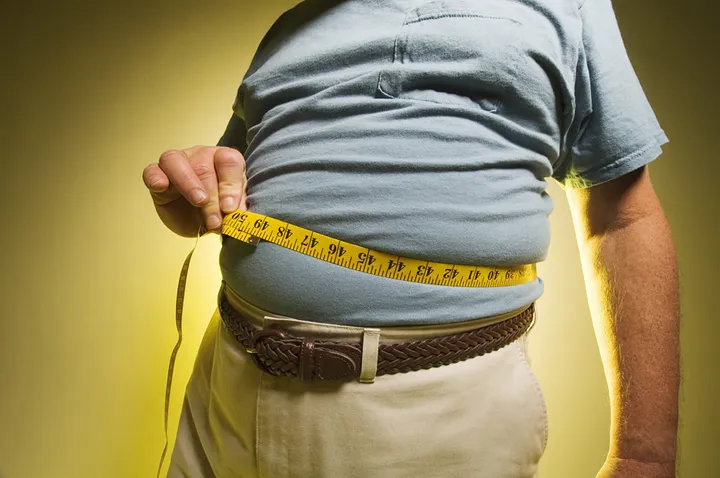
Your digestive system may be making you fat. It's hard to believe - but very true!
Today, I'm going to explain the bugs in your digestive tract, why they upset your gut's immune system, and how they just might be behind those extra pounds.
I have observed this phenomenon in hundreds of patients. Recently, remarkable new research has confirmed this phenomenon. I have developed very effective treatments for it, based on understanding the way in which all the body's systems -- the gut, the immune system, detoxification system, hormones and more -- are connected.
There's powerful evidence that addressing these key causes of weight gain and illness can help you shed pounds.
For example, I've seen patients who lose significant amounts of weight, just by cutting food allergens from their diet. And I have also seen people lose 20 to 30 pounds, simply by balancing the bacterial ecosystem in their intestinal system.
One patient, a 38-year-old woman, had chronic inflammation, fluid retention, acne, fatigue, and joint pain, as well as irritable bowel syndrome with bloating and gas. She had tried every known diet, but was unable to lose weight.
This woman's problem: She could not lose weight because she was inflamed. Imbalances in her gut and the food sensitivities that result led to the inflammation.
But when we had her eliminate the foods to which she was allergic or sensitive, and gave her some healthy bacteria to heal her gut, she lost 35 pounds in a few months - and all her other symptoms went away too.
The big debate in medicine is which comes first: inflammation or obesity. I have always believed that we become inflamed first, and gain weight second - which makes us even more inflamed, perpetuating the cycle. Now incredible new research bears this out.
In today's blog I want to review this research, explain how food allergies can lead to weight gain, and provide you with three steps you can take to eliminate foods you may be allergic to and rebalance the ecosystem in your gut.
Inflammation and Weight Gain
Let me tell you a little more about these studies linking inflammation and weight gain, and explain their implications for treating obesity, heart disease, diabetes, and more.
Both studies were done in Europe, where researchers are generally more open-minded.
The first study, published in December 2007, looked at two groups of children. The first group was overweight and the second was normal weight. (i) The researchers measured three key factors connected to inflammation.
First, they looked at high-sensitivity C-reactive protein (CRP), a marker that shows the general level of inflammation in the body. Then they looked for plaque or thickening in the carotid arteries (the main arteries that supply the brain) with an ultrasound. Third, they looked at blood tests for IgG, or delayed food allergies.
What they found was startling.
The overweight kids had a 3-fold higher level of CRP and a 2.5-fold higher level of IgG antibodies to foods. This is astounding, since in most medical studies a difference of 20 to 30 percent is considered significant. And in this case, the differences were 300 and 250 percent, respectively.
The overweight children also had much thicker carotid arteries, which are a sign of early atherosclerosis and an indicator of heart disease.
The study suggests that these food allergies are a CAUSE of the inflammation and obesity, not a consequence.
The authors of the study explain that damage to the gut can lead to a leaky gut, allowing food particles to be exposed to the gut's immune system. This then triggers a system-wide immune response, leading to inflammation all over the body and producing obesity by increasing insulin resistance.
We already know that inflammation from any cause -- bacteria, food, a high-sugar, high-fat diet --- will produce insulin resistance, leading to higher insulin levels. And since insulin is a fat storage hormone, you store more fat -- mostly around the belly.
The authors of the study go on to say that we should consider elimination of IgG food allergens as a way of treating obesity and preventing heart disease. That means you don't limit calories, just allergic foods that cause inflammation.
This study draws a remarkable link that has received little attention by conventional medicine.
So what exactly causes a leaky gut? Well, the next study may help explain just that.
How Your Gut Begins to Leak
The researchers of a study published in the July 2007 issue of Diabetes, performed a complex but powerful study to tease out which comes first - the chicken or the egg. (ii)
What they did was quite ingenious. They took thin mice and then fed them a very high-fat diet.
High-fat diets change the bacterial flora in the gut. Toxin-producing bugs are promoted by the high-fat diet while anti-inflammatory and protective bugs die off. (And there are over 500 species of bugs in your gut all fighting for territory.)
In fact, our highly processed, high-sugar, high-fat, low-fiber diet - plus many drugs like antibiotics, steroids, anti-inflammatories, acid-blockers, and hormones - completely alters the bacterial ecosystem in the gut, leading to breakdown, inflammation, and a leaky gut.
Back to the study.
The researchers found that mice fed the equivalent of an American diet produced more of a bacterial toxin called LPS, which then leaked into the body through their leaky gut.
In humans, these toxins then latch onto immune cells, stimulating them to produce a firestorm of inflammatory molecules such as TNFa, IL-6, and IL-1 (cytokines), which in turn block your metabolism and produce insulin resistance, fatty liver, and obesity.
Even more interesting, the researchers also found that even with a normal diet, injecting LPS into the mice led to the SAME problems - inflammation and obesity. These mice didn't eat a bad diet. Just injecting toxins into them made them fat.
In fact, when you eat a bad diet, bad bugs flourish. Your whole gut ecosystem is upset and the outside world "leaks" in across a damaged gut lining. The result is not just obesity, diabetes, and heart disease, but so many allergic, autoimmune, and inflammatory diseases.
The researchers explain how giving antibiotics to rats and cleaning out the bad bugs can prevent diabetes. They explain that by adding soluble fiber to the diet, they can increase the population of the good bugs like Bifidobacteria and decrease the bad bugs - leading to weight loss.
But it doesn't just happen in lab rats. I have found the same effects when my patients take the special soluble fiber called konjac root or glucomannan. The good bacteria feed on the fiber and reduce inflammation.
And there is more to the gut story. It seems that you are not the only one eating lunch. The bugs in your gut also feast - and they control your fat storage and the calories you absorb. So people with healthy bugs in the gut lose weight, and those with bad bugs gain weight. (iii)
Let me review this briefly again, because these concepts are so far from what we normally think about the causes of obesity.
When you eat a typical American diet, you foster the growth of bad bugs in the gut. They then damage the gut lining and produce toxins that are absorbed into your system.
Because of the damage, partially digested food particles also leak into your bloodstream. Then your immune system reacts to the toxins and foods, producing a firestorm of inflammation.
That inflammation then leads to a fatty toxic liver and insulin resistance, which lead to higher levels of insulin in your body. And insulin is a fat-storage, disease- and aging-promoting hormone.
So an unhealthy gut makes us fat and sick because it makes us toxic and inflamed.
This is groundbreaking research that needs to shake up our thinking about how to help people lose weight and get healthy.
Now here are a few simple things to try if you are struggling to lose weight or feel better.
3 Steps to Eliminate Food Allergens and Rebalance Your Gut Ecology
1. Try an elimination diet for 3 weeks. Cut out the most common food allergens, including gluten, dairy, eggs, corn, yeast, and peanuts. Some people are sensitive to soy, so you can also cut that out.
2. Eat a whole-foods, plant-based, high-fiber diet. This is essential to feed the good bugs in your gut and to provide the nutrients you need to functional optimally.
3. Take probiotics daily to boost the healthy bacteria in your gut. Look for those that contain 10 billion CFU of bifidobacteria species and lactobacillus species. Choose from reputable brands.
Within a very few short weeks -- even if you do nothing else -- you will see a dramatic difference that comes from cooling off inflammation by healing your gut.
Remember, if you want to get rid of that gut, you have to fix your gut.
Now I'd like to hear from you...
Have you noticed that inflammation is affecting your weight?
What steps do you plan to take to reduce inflammation?
How has reducing inflammation affected your weight?
Please let me know your thoughts by posting a comment below.
To your good health,
Mark Hyman, M.D.
References
(i) Wilders-Truschnig M, Mangge H, Lieners C, et al. IgG Antibodies Against Food Antigens are Correlated with Inflammation and Intima Media Thickness in Obese Juveniles. Exp Clin Endocrinol Diabetes. 2007 Dec 10
(ii) Cani PD, Amar J, Iglesias MA, et al. Metabolic endotoxemia initiates obesity and insulin resistance. Diabetes. 2007 Jul;56(7):1761-72.
(iii) Backhed F, Ding H, Wang T, et al. The gut microbiota as an environmental factor that regulates fat storage. Proc Natl Acad Sci U S A. 2004 Nov 2;101(44):15718-23. Epub 2004 Oct 2
Mark Hyman, M.D. practicing physician and founder of The UltraWellness Center is a pioneer in functional medicine. Dr. Hyman is now sharing the 7 ways to tap into your body's natural ability to heal itself. You can follow him on Twitter, connect with him on LinkedIn, watch his videos on Youtube and become a fan on Facebook.
Follow Mark Hyman, MD on Twitter: www.twitter.com/markhymanmd
For better or worse, confidence is not Betty Draper's problem. She may be quietly furious but she knows that she is a gorgeous monied honey; a paragon of Kennedy-era femininity.
Robyn O'Brien: Cloudy With a Chance of Allergies or Autism?
There are 26,000 food poisoning cases per 100,000 Americans, every year (an eye-popping 26% of the population). Compare that to only 3,400 cases in the UK, or 1,200 in France.
Stefan Aschan: Dinning Out and Bloating?
Dinning out can be a fun experience for those who have a digestive system that processes food properly. But not for all of us.
Want to reply to a comment? Hint: Click "Reply" at the bottom of the comment; after being approved your comment will appear directly underneath the comment you replied to
I started the probiotics a week ago and followed most of the dietary suggestions, although I typically eat nothing but whole grains, whole foods and plant based meals. I continued eating soy, dairy and some gluten. Big difference! I feel much better. My usual stomach complaints are mostly gone and I've definitely dropped weight. I assume it's mostly the probiotics that have helped so much.
Thank you, Dr. Hyman!
After a sudden weight gain of 20 lbs last April, I went to a Naturapathic doctor who tested me for food allergies. I had also been suffering from unexplained bloating and gas that was so painful I couldn't sit. Sure enough, I am allergic to gluten, cow's milk, eggs, and a few other things - all of which were part of my supposedly healthy daily diet. I've been allergen-free for almost 3 months now, also being treated with natural medicines to heal the gut. I have now lost 7 lbs - and that's without having gone to the gym. This article comes to no surprise to me. It's no wonder we are the most obese nation in the world.
Thank you, Dr. Hyman, for this brilliant post.
A month ago I was stricken by the worst abdominal pain I'd ever experienced in my life. At the time, my husband and I thought it was prolonged menstrual cramps, but when the pain persisted long after my period ended, we knew it was something else. I was always sensitive to wheat, and prolonged exposure to that and refined sugars were causing horrific abdominal inflammation.
I did a full de-tox and cut out wheat and processed sugars from my diet (again). I have lost 20 pounds of my 30-lbs-overweightness during this time, and now even my cravings are towards healthy foods, tofu, fruits, and veggies, rather than pizza, candy, etc. I feel fabulous!
I really appreciate that medical science is beginning to catch up with what our bodies are telling us, and I wish you all the best in promoting this "new" line of thinking.
He doesn't mention just being tested for food allergies, as opposed to hit or miss elimination routines. Is this not a possibility?
Eliminate corn? Ever check a food label? It's difficult these days finding something that doesn't have a corn-based ingredient.
"The study suggests that these food allergies are a CAUSE of the inflammation and obesity, not a consequence."
No, no it doesn't; it shows a correlation. I'm surprised that an MD would be so quick to ignore the importance of temporal antecedence in determining causation. Or, if the article did clarify this point, I'm equally surprised that it wouldn't be included in this review. I don't disagree with the overall assertions of this article, I just don't think it's done sufficient justice.
konjac root or glucomannan
Question: I have not seen yogurt mentioned in any of the otherwise very informative posts. I grew up in France where we regard yogurt as a very good friend of the 'intestinal flora'. Mistaken?
I imagine yogurt isn't mentioned because the author says dairy is a common allergin.
I used to be on drugs for crohn's disease, had terrible pain..all things caused by inflammation. Cutting out the grains and processed foods has me pain free and off drugs.
http://ezinearticles.com/?Muscle-Might-Review---Does-Muscle-Might-Work?&id=3080236
Thanks for your important post, marryohram.
I am confused. Are we talking about foods eaten for centuries create allergens, or are we saying additives/preservatives in the food, or the manner they are produced now create allergens?
White bread, french fries, pasta, huge muffins, added sugar, white rice, processed baked and other goods have not been eaten for centuries.
When they started to appear in the food chain, they were only eaten in moderation.
Sodas (coke, etc.) used to be special occasion party drinks, not daily, meal-time drinks.
Potato chips used to be very occasional outing treats, not between-meal snacks and potato alternatives. Even the high-density-carb potato wasn't introduced into European diets until after Columbus discovered it in South America -- that means late 17th and early 18th centuries.
All families knew that fruit and vegetables were essential for health. Now children grow up without eating vegetables at all. Their parents don't know what role the different food groups play in their children's bodies and don't bother to find out.
Even today, very few homes have deep friers. French fries didn't become a daily fast-food choice until the 1970's, when the proliferation of fast-food franchising began.
It goes on and on.
What have we done to ourselves!
OK, then I can agree that obesity is related to the content of foods. Still have some difficulty blaming the food as much as blaming the people. As you said, these foods used to be treats, now parents give their kids 7 sodas a day, and are too lazy to cook a decent meal.
You are correct, we have changed the way we eat and the foods we eat and it's biting us in the a**. Don't blame the foods, blame the people.
The most effective diet is putting your hands on the table and pushing away. People don't do that anymore. They go to the burger joint and get the supersize.
Yeah, your argument really doesn't hold water. My 68 year old father has had food allergies since he was a child. My grandparents were farmers, and were not particularly well off financially speaking so they were eating a lot of food that they produced themselves.
Allergies come from a reaction with protein fragments. The most common allergies in food come from proteins that are hard to digest and degrade down to their amino acids (casein in milk, gluten in wheat, etc.). When these protein fragments come in contact with our immune system cell, we get a reaction.
Same foods, now creating food allergies. Why?
Because as you suggest we have alot of additives/preservatives in our foods. Our foods used to be alive and full of probiotic bacteria (cheese, yogurt, milk, sauerkraut, kimchi, miso, etc. etc.) but we pasteurize everything now too. The end result is no more living foods and other foods which are full of preservatives that actually kill the living micro-organisms in your digestive system.
We need these beneficial bacteria in our diestive systems to be healthy. We can keep them healthy by eating more living foods and taking foods with probiotic supplementation. These beneficial bacteria help break down the proteins. Lactobacillus casei (casein = casein) create enzymes that help to degrade the milk allergen casein.
We're all on the same page. It's not so much what you eat as how you eat it and how it is produced.
Personally I am frightened by the additives and preservatives in American foods and very happy we don't have that here (or as much of it).
What's interesting to me is, when I go back to the states the food seems so bland. In the process of producing it so everything is perfect, consistent in color and size, they took away the flavor.
Some allergies come from your own auto immune system going haywire and seeing some normal foods as bad and attacking the food. And it has nothing to do with the food itself.
What about raw milk?
Raw milk!
In my view, one of the most ghastly, choking, gut-retching foods to be avoided at all costs!
Well speaking as someone that grew up in a farming community in 1950, milk right from the cow was very good!
Doing some research, came across this fungus:
"Fusarium graminearum - found on wheat and maize, produces zearalenone, an estrogen-like steroid associated with episodes of precocious puberty"
Hmm. Anybody checked our wheat and corn? Maybe that's what's making us all fat!
My doctor did a C-reactive and I don't show inflammation.
I've requested referral to a cardiologist to test for athlerosclorosis. Since I've had uncontrolled high cholesterol for years and my brother (who is three years younger than me) had a heart attack and angioplasty last year, I think I'm justified in requesting I be tested.
I've been taking probiotics for two months now. I've also greatly reduced sugar and gluten in my diet. I don't have any of the symptoms of celiac's disease or lactose intolerance.
But I have gained 60 lbs in 6 years, mostly belly fat.
I've also been taking Omega3s for 3 months.
I've been getting plenty of sleep (and naps). I tested negative for sleep apnea three years ago.
I've also been tested for allergies and came back negative. Even for ragweed.
How much daily exercise have you been doing?
BlazeKING I've discovered the exact same thing on my own and follow the way you eat as well. No grains, just meat fruits and vegetables. I would also add no sugars, processed foods, dairy, or starches. I have a chronic illness that necessitated the changes in my life but now I can say I am healthier than who knows how many in the population. I cannot believe what we've been led to believe about our food. People just don't know how bad our food is. It's really a shame and almost impossible for people to believe and act upon.
I've been reading Dr. Hyman's book, Ultrametabolism, and am amazed to find myself on every page.
For two weeks previous to reading this book, I'd been dieting the usual way -- low fat, small portions, no sweets, low carb. I got on the scale after two weeks of being hungry every day, and had lost not even one pound. I was so upset.
A few days later I got Dr. Hyman's book, and started changing my diet yet again, according to his prescription. This time I didn't reduce my portions but switched out bad fats for good ones (being sure to eat *enough* of those good fats), and completely eliminated sugar and flour. After eating this way for less than a week, I got on the scale again. I'd lost 3 pounds.
So I am continuing with Dr. Hyman's prescription, and will try eliminating allergens too.
As for people who keep insisting that weight is only a matter of "calories in, calories out," please, please stop being so fundamentalist and judgmental. Weight, food, and metabolism are complex, with many variables at play. I wish the judgmental types could live in my shoes for a year and find out for themselves how hard it is to lose weight when you're insulin resistant and have pre-menopausal hormonal imbalances (and possibly allergies, yet another factor).
Thank you, Dr. Hyman! You are helping so many people.
Hello forestdweller,
Good post. Dietitians still insist on the calories in, calories out formula. That, of course, is an important part of the equation, but it doesn't factor in insulin.
I have known for a long time about the importance of eliminating added sugar and flour from the diet. Many years ago a friend and I went on Dr. Atkins' diet when it was all protein/fat; before he added healthy fruits and vegetables. We lost an astounding amount of weight in a short time without exercise. Despite, the flack the media gave him, we knew there had to be something to his diet.
Ever since then, my aim is to eat healthy protein, fruits and vegetables (no baked goods, including bread and muffins, no pasta, no rice, no potatoes, no corn, no added sugar, etc.) I don't always stay on the straight and narrow; however, as I get back on track again, I can feel and see the difference within a couple of days!
And, of course, let us not forget the importance of exercise.
You must be logged in to comment. Log in or connect with