iPhone app iPad app Android phone app Android tablet app More

Featuring fresh takes and real-time analysis from HuffPost's signature lineup of contributors
Mark Hyman, MD

GET UPDATES FROM Mark Hyman, MD

7 Tips to Fix Your Cholesterol Without Medication

Posted: 01/29/11 10:57 AM ET

The singular focus on treating cholesterol as a means to prevent heart attacks is leading to the deaths of millions of people because the real underlying cause of the majority of heart disease is not being diagnosed or treated by most physicians.

For example, I recently saw a patient named Jim who had "normal" cholesterol levels yet was taking the most powerful statin on the market, Crestor. Despite this aggressive pharmaceutical treatment, this man was headed for a serious heart attack. Jim's doctors had missed his real disease risks by focusing on and treating his cholesterol levels. All the while they were ignoring the most important condition that put him at dramatically higher risk of heart attacks, diabetes, cancer and dementia. In a moment I will explain what this condition is and what you can do about it.

This craze for treating cholesterol has lead to an onslaught of pharmaceuticals designed to "lower cholesterol." Statins are now the number one selling class of drugs in the nation and new cholesterol medications are produced every day. The latest in a new class of "super" cholesterol drugs, CETP inhibitors, now in the drug approval pipeline from Merck (anacetrapib) burst into the news recently with exclamations from typically restrained scientists. Data on this new drug was recently published in the New England Journal of Medicine and presented at the American Heart Association conference in Chicago.

The study found a 39.8 percent reduction in LDL (or bad cholesterol) and a 138 percent increase in HDL or good cholesterol.(i) Sure, the medications lowered cholesterol. However, the study was not large enough or long enough to answer the most important question: Did the drug result in fewer heart attacks and deaths? Despite this glaring omission, the scientists reporting on these results used words such as "spectacular," "giddy," "enormous," "most excited in decades" to describe their enthusiasm over the medication. Of course, the researchers (as I described in a recent post "Dangerous Spin Doctors") were on the payroll of Merck who funded the study.

Why Lowering Cholesterol May Not Lower the Risk of Death

Unfortunately, these scientists seemed to have short-term memory loss. Just three short years ago in 2007, another new "wonder" drug from Pfizer (torcetrapib) which worked on the same mechanism that anacetrapib does, was found to dramatically lower LDL and raise HDL cholesterol, just like this new drug from Merck. There was only one small problem -- in those taking the drug, deaths from heart attacks increased 25 percent, deaths from heart disease increased 40 percent and overall deaths increased 200 percent.(ii) After spending $800 million in development Pfizer had to walk away from the drug. Oops. How can a drug that does all the right things (dramatically lowering bad cholesterol and raise good cholesterol) actually cause more heart disease and deaths?

The answer is simple. Drugs don't treat the underlying causes of chronic illness. It is not our genes which haven't changed much in 20,000 years, although they may predispose us to environmental and lifestyle triggers of illness. The causes of chronic disease are rooted in what we eat, how much we move, how we face stress, how connected we are to our communities and toxic chemicals and metals in our environment.

A wry editorial in the New England Journal of Medicine many years ago remarked that doctors should use new drugs as soon as they come on the market before side effects develop. Perhaps that's what the authors of this study are proposing we do with anacetrapib.

At best this new "super cholesterol" drug will lower cholesterol numbers without killing too many people while increasing health care costs by billions of dollars as millions of new prescriptions are written for this new "super cholesterol drug." Worse it may end up in the same garbage dump Pfizer's drug from three years ago did. Even worse scenarios exist and the reason is startling simple.

These drugs do not address the fundamental underlying cause of heart disease. Heart disease is not a Lipitor or Crestor or even an "anacetrapib" deficiency. It is a complex end result of multiple factors driven by our diet, fitness level, stress and other lifestyle factors such as smoking, social connections, and, increasingly, environmental toxins. Taking a pill won't fix these problems that push our biology steadily along the trajectory of disease. The idea of putting statins at the check out counter of McDonald's is the epitome of reductionist thinking. The problem isn't cholesterol -- it's all the stuff we are putting in our mouths!

Jim, my patient, is a perfect example of how doctors treat the symptoms, not the cause of disease. As I have written about in a previous blog, most doctors focus on the wrong target for preventing and treating heart disease. Abnormal cholesterol levels are just a downstream problem that is mostly a result of "diabesity" or the continuum of blood sugar and insulin imbalances that range from pre-diabetes to full-blown end stage diabetes. Taking a statin or a CETP inhibitor cannot reverse this change in our biology. We cannot use a drug to correct what happens to our biology because of a high sugar and refined flour, low fiber, processed diet, a sedentary lifestyle, excessive stress, lack of sleep or the harmful effects of pollution.

Let's take a closer look at Jim. On 10 mg of Crestor, the most powerful statin on the market, his total cholesterol was a beautiful 173, and his LDL was a respectable 101. But the good news ended there. His triglycerides were 176 (normal is less than 100), and his HDL was 37 (normal is greater than 50).

Jim's number belie a deeper truth about cholesterol that most conventional doctors are ignoring today: Given the current state of scientific understanding, the cholesterol numbers doctors measure today are increasingly irrelevant.

The Real Cause of Heart Disease

Instead of looking just at the cholesterol numbers, we need to look at the cholesterol particle size. The real question is: Do you have small or large HDL or LDL particles. Small, dense particles are more atherogenic (more likely to cause the plaque in the arteries that leads to heart attacks), than large buoyant, fluffy cholesterol particles. Small particles are associated with pre-diabetes (or metabolic syndrome) and diabetes and are caused by insulin resistance. Recent research (see my "Do Statins Cause Diabetes and Heart Disease" blog) indicates that statins may actually increase diabetes.

While measuring cholesterol particle size is a simple blood test that can be done at Labcorp, most doctors do not look at it, even though it is the only meaningful way to evaluate cholesterol numbers. You can have a LDL cholesterol that looks normal, like Jim did at 101, but you may have over 1000 small LDL particles which are very dangerous. On the other hand, you can have the same LDL number of 101, and it may be made up of only 400 large particles which cause no real health risk. Your health risk has less to do with your cholesterol numbers than it does the quantity and size of your cholesterol particles.

Again, we can take Jim as an example. His cholesterol particles were all small and dense because he had severe pre-diabetes. This is also not hard to diagnose. Jim was obese at 285 pounds with a BMI (body mass index) of 36. You are considered obese if your BMI is greater than 30. His waist-to-hip ratio was 1.04 (normal is less than 0.9 for men). He had very high insulin and blood sugar levels after we gave him a test drink of glucose (sugar). All this added up to tell us he had severe pre-diabetes or metabolic syndrome. As I mentioned before, he also had high triglycerides and low HDL -- another clue that he had metabolic syndrome. We also found he had very low testosterone and growth hormone, further symptoms of pre-diabetes or metabolic syndrome.

Jim reported that despite working with a trainer he kept losing muscle and he was always hungry. This is why.

Let me reiterate: These are measurements and tests that can be done in any doctor's office, but are rarely done. These are not esoteric or expensive labs that can only be done at specialty clinics.

The condition that Jim suffered from, metabolic syndrome, is the most common medical condition in America, but the most rarely diagnosed. It affects over half the population. It is the major cause of heart disease, diabetes, and aging, and it is one of the major causes of dementia and cancer, not to mention infertility and sexual dysfunction. Yet, it is mostly ignored by doctors. Why? The answer is simple and tragic: There are no drugs to treat it effectively, and doctors tend to focus on what they can treat with medications, even if it is the wrong target. This is one of the reasons statins are so popular in America despite the vast research against them.

Seven Tips to Fix Your Cholesterol (and Reverse Metabolic Syndrome Without Medication)

Luckily, this doesn't mean you are doomed, even if you are already suffering from metabolic syndrome and heart problems. High cholesterol and pre-diabetes or metabolic syndrome can be successfully diagnosed and treated. I have reviewed this in previous blogs, but here are seven tips to help you get big large fluffy cholesterol particles and reverse metabolic syndrome.

1. Get the right cholesterol tests. Check NMR particle sizes for cholesterol by asking your doctor for this test at Labcorp or LipoScience. You want to know if you have safe light and fluffy cholesterol particles, or small dense, artery damaging cholesterol particles. A regular cholesterol test won't tell you this.

2. Check for Metabolic Syndrome.
• Do you have a fat belly? Measure you waist at the belly button and your hips at the widest point -- if your waist/hip is greater than 0.8 if you are a woman or 0.9 if you are man, then you have a problem
• If you have small LDL and HDL particles, you have metabolic syndrome.
• If your triglycerides are greater than 100 and your HDL is less than 50, or the ratio of triglycerides to HDL is greater than four, then you have metabolic syndrome.
• Do a glucose insulin challenge test. This is very important and most physicians do not test for insulin and glucose. To read more about how to do the right type of testing for metabolic syndrome or pre-diabetes please see www.drhyman.com for my information.
• Check your hemoglobin A1c, which measures blood sugar over the last six weeks. If it is greater than 5.5, you may have metabolic syndrome

3. Eat a Healthy Diet. Eat a diet with a low glycemic load, high in fiber, and phytonutrient and omega-3 rich. It should be plant based, and you should consume plenty of good quality protein such as beans, nuts, seeds, and lean animal protein (ideally organic or grass fed). I have described specific diets that abide by these parameters in my books "UltraMetabolism" and "The Diabesity Prescription."

4. Exercise. Enough Said.

5. Get Good Quality Sleep. Sleep is essential for healing your body, maintaining balanced blood sugar, and your overall health.

6. Use Supplements to Support Healthy Cholesterol Particle Size. These include:
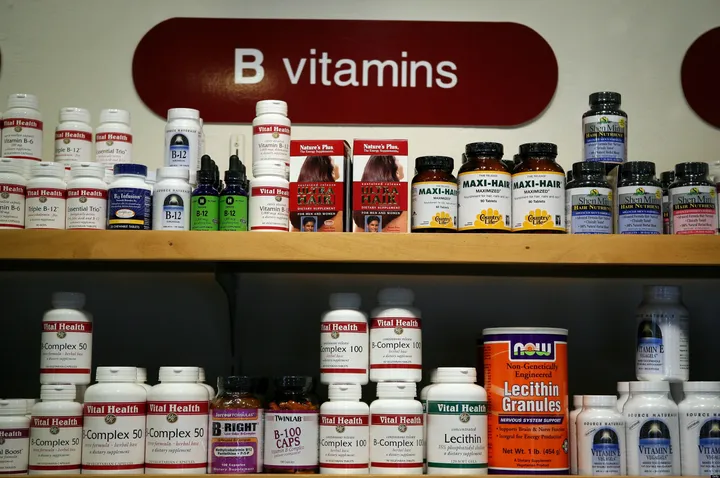
• A multivitamin including at least 500 mcg of chromium, 2 mg of biotin and 400 mg of lipoic acid. For most you will take three capsules twice a day.
• 1000 mg of omega-3 fats (EPA/DHA) twice a day.
• 2000 IU of vitamin D3 a day at maximum. (Some people recommend less -- consult your doctor.)
• 1200 mg of red rice yeast twice a day.
• 2-4 capsules of glucomannan 15 minutes before meals with a glass of water.
• Broad-range, balanced concentration of plant sterols. You will usually take one capsule with each meal.

7. Consider Using High Dose Niacin or Vitamin B3. This can only be done with a doctor's prescription. It is useful to help raise HDL cholesterol, lower LDL cholesterol and triglycerides, and increase particle size.

8. Use Low-Dose Statins ONLY If You Have Had Heart Disease or are a male with multiple risk factors, while carefully monitoring for muscle and liver damage.

For the vast majority of people this approach is better than simply taking a cholesterol medication. To reduce your risk of heart disease you need to address metabolic syndrome, and that can ONLY be done effectively with a comprehensive diet and lifestyle approach like the one outlined above.

For more information on metabolic syndrome, heart disease, cholesterol, and other essential health topics, please visit www.drhyman.com.

Now I'd like to hear from you ...

Have you taken statins, what has been the effect and do you have muscle pain or any neurologic side effects?

Do you think metabolic syndrome is an important factor to address to reduce the risk of heart disease? Why or why not? Has your doctor ever said, your sugar is a little high and we will watch it? What for what -- until it is so bad you are eligible to take diabetes medication?

What do you think of conventional medicine's tendency to prescribe medications over dietary and lifestyle change for chronic health conditions?

I would love to hear your thoughts. Share them by leaving a comment below.

To your good health,

Mark Hyman, MD

References

(i) Cannon, C.P., Shah, S., Dansky, H.M. et al. 2010. Safety of anacetrapib in patients with or at high risk for voronary heart disease. N Engl J Med. 363(25): 2406-2415.

(ii) Barter, P.J., Caulfield, M., Eriksson, M. et al. 2007. Effects of torcetrapib in patients at high risk for coronary events. N Engl J Med. 357(21):2109-2122.

Mark Hyman, M.D. is a practicing physician, founder of The UltraWellness Center, a four-time New York Times bestselling author, and an international leader in the field of Functional Medicine. You can follow him on Twitter, connect with him on LinkedIn, watch his videos on YouTube, become a fan on Facebook, and subscribe to his newsletter.


Follow Mark Hyman, MD on Twitter: www.twitter.com/markhymanmd

The singular focus on treating cholesterol as a means to prevent heart attacks is leading to the deaths of millions of people because the real underlying cause of the majority of heart disease is not ...
 
 
  • Comments
  • 339
  • Pending Comments
  • 0
  • View FAQ
Comments are closed for this entry
View All
Favorites
Recency  | 
Popularity
Page: 1 2 3 4 5  Next ›  Last »  (10 total)
08:47 PM on 03/13/2011
Cholesterol doesn't cause heart disease any more than firefighters cause house fires! Read "The Cholesterol Myths" by Uffe Ravnskov, if you can find a copy not bought up by Pharma! Cholesterol meds are poison!

Kenko,

"Science (medicine) progresses funeral by funeral!" - Max Planck
10:21 PM on 02/11/2011
Does anyone have experience following the Pauling Therapy for lowering cholesterol (or specifically liproprotein (a) levels)? It was developed by Linus Pauling, who was twice awarded the Nobel Peace prize in two fields. The theory is based on the belief that a lot of heart disease is actually a result of vitamin C deficiency. The therapy involves taking large amounts of vitamin C.
08:16 AM on 02/08/2011
I am 50 y.o., 5-6 years ago was diagnosed with high cholesterol. I have really bad family history of
heart disease. Since 30 I religiously went to the cardiologist and had checkups every year. My doctor was very optimistic and suggested to change my diet, exercise more and take natural
supplements. I cut out bad carbs, ate healthy complex curbs, worked
out 3 times per week and walked 3 miles 45 minutes every night. Then I took up ballroom dancing, horseback riding and later skiing. I tried red rice yeast, b3, omega3, different oils but my cholesterol was still climbing. Then statins, perhaps like 4-6 different ones all of which gave me side effects. I extensively worked out and danced almost every night for several years, and still do. I eat oatmeal for breakfast almost every day though. Switched to fish and chicken or turkey rather then meats. We completely cut out butter and full fat dairy product. At this point I have no idea what else I could have done differently, Nothing is working. Finally my cardiologist suggested Welchol and
Zetia which somewhat helped, but my cholesterol levels are nowhere
near the "norm". We have recently moved to Germany. I don't even want to buy a car here, so I can walk or bike more. What is next for me? What else can I do to control my cholesterol? I bet
here they have no idea what those different testing methods are.
12:08 PM on 02/06/2011
I think the tendency to prescribe drugs rather than safer, less expensive alternatives might be two-fold. Medical schools focus on drugs often because of funding; pharmaceutical companies ensure drugs are the number one “solution” through advertising, lobbying, and funds.

When MDs consider alternatives and give patients options, the situation may improve. When, for example, massage therapy is offered instead of pills, people will quickly learn of the benefits of options and alternatives. When a gym membership and support is offered rather than pills, results will speak for themselves.

This applies double for responses to mental health diagnoses. Our drug-laced society won’t survive and recover unless the stronghold of Big Pharma is removed from our medical doctor / health care providers.
09:29 PM on 02/04/2011
watch out for muscle pain from red yeast rice...happened to me.
08:07 AM on 02/04/2011
How shady the FDA and “Big Pharma” truly are:

"In the late 1970s, researchers in the United States and Japan were isolating lovastatin from Aspergillus and monacolins from Monascus, respectively, the latter being the same yeast used to make red yeast rice but cultured under carefully controlled conditions. Chemical analysis soon showed that lovastatin and monacolin K were identical. An article "The origin of statins" summarizes how the two isolations, documentations and patent applications were just months apart.[2] Lovastatin became the patented, prescription, drug Mevacor for Merck & Co. Red yeast rice went on to become a contentious, non-prescription, dietary supplement in the United States and other countries.

The Food and Drug Administration (FDA) position is that red yeast rice products that contain monacolin K, i.e., lovastatin, are identical to a drug and thus subject to regulation as a drug. In 1998, the FDA initiated action to ban a product (Cholestin) containing red yeast rice extract. The U.S. district court in Utah allowed the product to be sold without restriction. This decision was reversed on appeal to the U.S. District Court. (Moore, 2001) (see Further Reading: PDRhealth). Shortly thereafter the FDA sent Warning Letters to companies selling red yeast rice. The product disappeared from the market for a few years…In 2003 red yeast rice products began to reappear in the U.S. market. As of 2010 there are at least 30 brands available. Many of these avoid the FDA restriction by not having any appreciable monacolin content".

-Wikipedia
photo
HUFFPOST SUPER USER
shooter 586
Concerned for CA. Time to end union control of CA
03:48 PM on 02/03/2011
He didn't cover the inherited version of high cholesterol. How do you lower it if your body will maintain a high number just by living? Diet and exercise only changes it less than 15%. I can be an Olympic athlete and still have high cholesterol.
07:22 PM on 02/03/2011
I have the same scenario......family predisposition for high LDL and total cholesterol, which doesn't move much with typical meds like Lipitor (which screw with your liver big time!), and yet I have a yearly cardiac scan which shows 0% calcification anywhere in my heart. I think my body (as well as my ancestors) produce lots of the stuff but somehow process it without serious risk to our health? I think medicine has tons to still learn about the function of cholesterol. Thanks for your post, nice to know there are others out there dealing with the same issue!
02:05 PM on 02/03/2011
My husband and I started doing research about heart health after his dad had a heart attack. There is so much research out there about how a completely plant based (read: vegan) diet can help reverse heart disease, type 2 diabetes, cancer etc. This list goes on and on. Why don't more doctors recommend this more drastic change? We started eating vegan in April of this year and my husband's cholesterol went from 213 to 113 without any medications (and he lost 35 lbs in the process). All that was required was changing our diet and exercising. The more we research the more we find out that this is not just healthier for us, but also healthier for the environment. It's a win win!
09:53 AM on 02/03/2011
It's great to see these concepts being discussed in the mainstream. Thanks!
06:04 PM on 02/02/2011
Fascinating. I have been hearing a lot lately about how statins lower cholesterol numbers and improve your lipid profiles but how this does not correlate with a positive outcome in terms of cardiovascular disease. Seems to me that elevated cholesterol is more of a symptom than a cause.
HUFFPOST SUPER USER
DrP
10:41 PM on 02/04/2011
Absolutely right. Statins are treating a symptom and ignoring the real cause of cv disease which is inflammation, primarily caused by high insulin levels, primarily caused by excess carbohydrate consumption.
10:04 AM on 02/28/2011
I think you are right on as far as the real cause being inflamation. A good friend with a family history of heart attacks died a few years back from a heart attack. He had gone through three heart bypass operations over a period of 20 years. The curious thing was that he never had a problem with high cholesterol. His heart doctor told us over and over that he did not understand why he should be having all this trouble with his normal cholesterol readings. Yet, he still had him on the statin meds. He was never obese, not even close. And he exercised regularly. I always worried when he had a herpes sore on his lip because I had read about the inflammation aspect of heart attacks. I believe to this day that stress, (he was somewhat of a worrier.) his diet, family history and a fatal bout with inflamation eventually caused his final heart attack. Not cholesterol. I wish I knew more about the link between inflamation, high insulin levels and excess carb consumption you mention. Could you point me to some info on that theory? Thank You
05:40 PM on 02/02/2011
I was on lipitor and had the aches and pains that people are commenting on...but I also had a side effect that no doctor wants to discuss. I expierienced TGA (trans Global Amnesia) - it was diagnosed in the emergency room as a TIA (mini-stroke) - but my cardiologist was SURE that I had a "rare" side effect from the Lipitor which caused the amnesia. After 1 year of MRI's, cat scans and neurological testing, all the doctors now agree on the diagnosis that my cardiologist insisted on in the first place. The worst part is that TGA is NOT being recorded as a side effect of Lipitor, instead they are diagnosing as TIA's. It is only because of my cardiologist's persistence that we finally found out the truth. The drug companies do not want the patients to know. Look on-line at "Lipitor: The memory Thief"...and thanks for speaking out for us!
10:53 AM on 02/03/2011
This article was a great read! Thank you for the post. My 75 year old father just had a quintuple bypass a month ago and he has been on 40mg of Lipitor for a few years. It wasn't until I read your post that I recalled my father mentioning his forgetfulness at times. He is convinced it's due to his age or even the beginning of Alzheimer's. I am going to bring this up at his next cardiologist's appointment. Thanks!
photo
MidwestAnna
Former Republican
03:53 PM on 02/03/2011
My husband had serious side effects from Lipitor, including TGA. He was only 44 at the time and had very strange loss of memory incidents, including going to IKEA and staying there for four hours because he couldn't remember why he was there. Finally, he ended up in the ER when he could not remember the make of our car or my name to call me on my mobile phone.

At the same time, he developed paralyzing issues with his arms; he couldnt not hold them over his head. He became combative and irritable, a complete 180-degree shift from his normal attitude. Finally, someone gave us a book about statins that talked about these side effects. He stopped taking it and after some time, these conditions improved. It took two years before his muscles came back.

The thing that's crazy is tha his cholesterol wasn't even that high. His total cholesterol was about 230 to 240. Since then, we've changed our diet -- low sugar, main protein portions 4 oz. or smaller and primarily made up of beans, organic chicken, fish and grass-fed beef. We also eat only scant amount of white carbs such as bread and rice and no breakfast cereals. We've kicked up our vegetable intake and added in at least one fiber-loaded smoothie per day. His cholesterol is now about 180 -- without any drugs.
HUFFPOST SUPER USER
DrP
10:42 PM on 02/04/2011
Congrats. Sounds like you are doing all the right things.
03:37 PM on 02/02/2011
Lipitor and Pravocol (sp?) were both prescribed to me several years ago when my overall numbers were above 240. They almost killed me and I still suffer side effects. I was also dropped by Blue Cross when they saw the number. I paid to have a good blood workup, 400 bucks out of my own pocket, a heart scan 450 bucks, just to discover that my risk factor for a heart attack was a (-1) based on the size of my LDL and HDL particles and no plaque on the scan. . Blue cross refused to accept it and I was without insurance for several years until moving to Italy. I have a bit of a belly but at 60 years of age I can still walk several miles and run up a few flights of stairs. I take a good mulit vit as suggested along with plant sterols and red yeast rice. I am now back in the states but I refuse to get a blood test here for several reasons. I will be back in Italy in July and see a doctor there. The US is really in bad need of socialized medical care. It is so much better in parts of Italy, perhaps bad in some cities but overall it wins out on medicine for profit.
photo
MidwestAnna
Former Republican
03:56 PM on 02/03/2011
Red yeast rice is a statin. My husband was taking it before being prescribed Lipitor and he started to be symptomatic while taking that, too. However, it is much cheaper than prescribed statins if you can tolerate it.

http://www.spacedoc.net/red_yeast_rice.htm
03:06 PM on 02/02/2011
Okay Doc, all of what you said is great. But there is an issue you did not address. How do you get all these tests if you do not have and cannot afford medical insurance and a doctor to call my own? What you, and almost every Doctor who writes about health solutions, forgets, is that unless you are going to set up an independent low cost lab where we can submit blood and such for tests and get some sort of emailed response, then you are really only talking to Republicans. We will however, catalog your article for after the revolution. As goes Mubarek, so goes Tea, Fox, Goldman and the rest.
02:58 PM on 02/02/2011
Red rice yeast...is another statin. Just not in a pill.

From consumer reports: "Red yeast rice (rice extract fermented with a strain of red yeast) really does reduce cholesterol, not surprising since it contains the same active ingredient as a real statin drug called lovastatin (generic, Altoprev, Mevacor). In 1998, the Food and Drug Administration ruled that red yeast rice products were unapproved drugs, not supplements, and therefore illegal, but it's still easy to purchase the products online.

Our experts say that taking red yeast rice exposes you to all of the risks of taking a prescription drug, with dubious benefits. First, you really won't know how much you're taking. As with all supplements, there's no guarantee that what you buy will contain what the label says it does, since the FDA doesn't regulate the manufacturing quality for supplements as it does for drugs. Second, you may be taking a powerful drug with the same potential side effects as the prescription counterpart but without proper medical supervision"


Niacin can have pretty severe side effects...beyond the red face rash and flushing, it can also trigger a gout attack.

http://www.phytochemicals.info/phytochemicals/beta-sitosterol.php
There are many plant sources of beta-sitosterol, but the most important are wheat germ, rice bran, flax seeds, peanuts, soybeans, pumpkin seeds and corn oil. Muli and co-workers showed that a plant-based diet, rich in fibre, soy and flax seed, can increase serum levels of beta-sitosterol.
02:45 PM on 02/02/2011
I have been taking Pravachol for 17 years. 6 month ago I star. ted to feel pain in my leg muscles and my memory was affected. First, afetr a blood test I discover that my Vitamin D was very low, and took mega dosis to recover. Then I stoped taking Pravachol. The pain has gone, I am able to walk, go up and down stairs. I had to argue with my doctor about statins and side effects. He blame my pain on age, weight, amount of exercise, but not the statin. Now I started taking Ezetrol, so far with no side effect. Doctors just want to treat symptoms and not the decease, and push pills without thinking of the benefit to the paciente or alternatives to medicine.
Thanks for the interesting and informative reading.