
As an actual diet doctor, I've spent the past decade helping people lose weight, and I've learned a lot in the process. Many of my patients were successful, many regained weight, and some didn't lose much weight at all. In the process, I learned a lot about successful long-term weight loss in the real world -- not TV weight loss; not celebrity weight loss, which usually includes private chefs, trainers and nannies, but rather weight loss for real (often stressed out and overworked) people trying to lose weight while living their lives. This kind of weight loss includes monthly challenges like holidays, vacations, loss of motivation, and even changes in the weather that affect exercise. In addition, working as a part-time writer, diet and nutrition media expert, and TV host that evaluates almost every diet out there, I've also realized that there is no one-size-fits-all when it comes to dieting -- most diets will work for some people some of the time. So rather than tell you what to eat, I thought I would share what I believe are seven of the best tips for losing weight, and keeping the weight off, no matter what diet you choose to follow.
Pump up the volume of meals.
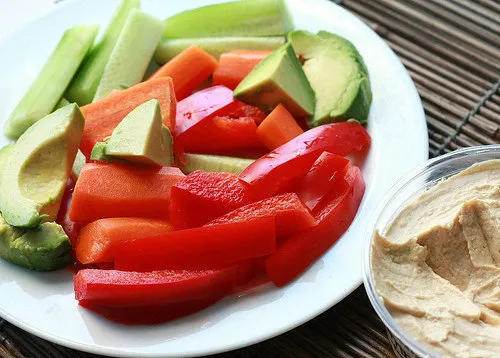
We eat approximately the same volume of food every day,[1] so including foods with lower calorie density (calories per gram) is essential unless you eat very small portions (like the French). Foods that have lower calorie densities are high in water (fruits, vegetables, soup, low-fat or fat-free dairy), high in fiber (whole grains, beans, fruits, and vegetables) and lower in fat. Foods that do not contain water, like dry salty snacks, crackers, and dense baked goods have a higher calorie density even if they are fat-free, and portions need to be carefully controlled. By permanently modifying meals and recipes to include more low-calorie-density ingredients, you don't have to cut portions to lose weight and keep it off, and eating well is much more live-able.
Limit liquid calories.
Our body simply doesn't register liquid calories like calories from solid food, so it is very easy to consume too many calories each day drinking extra-large lattes (even if they are fat-free), sugar-sweetened beverages (including sweetened tea, sports drinks, and even juice, which has naturally occurring sugar but is still loaded with calories), and alcoholic beverages. Downsize your morning latte, limit intake of sugar-sweetened beverages as much as possible, drink juice out of old-fashioned juice glasses (which used to be 6 or 8 ounces), and if you drink alcohol, avoid sugary mixers and cut calories from elsewhere in your meal if possible.
Make mindless eating work for you.
Numerous studies have looked at the relationship between a person's eating environment and food intake. By building a better eating environment, you can mindlessly control calories for good, no matter how stressed you are at work or how much your motivation levels drop. How? Start with dishware. Eat off smaller plates, out of smaller bowls, and drink out of tall, thin glasses. In your pantry, fridge and freezer, keep more tempting foods out of sight as much as possible by putting them on higher shelves or transferring them to opaque storage containers. At the dinner table, leave serving dishes containing higher-calorie foods in the kitchen and keep lower-calorie vegetable dishes on the table within easy reach for seconds. Entertaining? Limit variety of less healthy foods (this is also important when stocking your pantry), as research shows that increased variety equals increased caloric intake.
Think outside the gym when it comes to exercise.
Yes, getting at least 30 minutes per day of cardiovascular exercise five times a week and twice-a-week sessions of strength training is critical, but you can actually burn far more calories over time by increasing lifestyle-based activity like standing while talking on the phone, getting off the train or bus a stop early and walking the rest of the way to work, or engaging in more active hobbies like bowling instead of going to the movies, or taking dance lessons instead of photography lessons. Research shows that basic things like dishwashers, cars, elevators, and washing machines cause us to burn fewer calories per day, so you have to find a way to burn these extra calories despite advances in technology. Adding in as much non-exercise activity can really add up in terms of calories burned over the long run, and is much easier to permanently incorporate into your life, no matter how motivated you are.
Ditch the all-or-nothing mentality.
I can't tell you how many times patients come in and tell me they "took the weekend off" from their diet (or worse, a week or more if they are on vacation). I don't expect anyone to be perfect all the time. In fact, I encourage my patients to indulge early on in their weight loss program to help them build confidence, learn to handle controlled indulgences, and bounce back from less healthful choices quickly. Don't act as if there is a switch in your brain that determines whether you are on or off a diet -- instead, make better choices most, not all, of the time, and you will be less tempted to go "off your diet," gain back some or all of the weight you have worked so hard to lose, and perhaps even stay "off your diet" for good.
Think ahead.
I personally don't do well at planning out my meals for the week, but many of my patients are much more successful when they do. I tend to eat, and buy, many of the same things each week, so less of a plan is required. I do insist that patients always have somewhat of plan for eating away from home -- whether it is making sure you have three or four restaurants around the office that have healthful choices, looking at the restaurant menu ahead of time if you are eating out (especially at ethnic restaurants) to figure out better choices, or deciding ahead of time what you are going to indulge in at a party or dinner out (wine, bread, dessert, or pasta). By mentally committing ahead of time, you limit the mindless eating and drinking that often occur at social eating occasions. If you are attending a party or dinner, offer to bring a healthful dish so you have a safe option to fill up on, or eat a little snack before heading out the door (lean protein and vegetables work best to prevent overeating -- and include a little healthy fat if you plan on drinking, as fat delays the absorption of alcohol).
Always have a plan B for eating and exercise.
This is essential, especially for the majority of Americans who are busy juggling work, family, and home and don't always have time to get to the gym, prepare the best food, or find the healthiest restaurant. If you can't make it to the 7 a.m. spin class, don't skip your workout altogether -- try to squeeze in even a 10-minute walk at lunch or after work, or do the first 20 minutes of an exercise DVD at home or 10 minutes of push-ups and sit-ups if you don't have time for more. Consistent, smaller changes really do add up over time. And always stock your freezer with a few healthful frozen meal options, including entrees and frozen vegetables, for those nights when you don't have time to cook and are tempted to order pizza or Chinese food. Finally, always try to keep an emergency healthful snack pack on hand to take the edge off hunger and give you time to make the best eating choice possible if you haven't eaten for hours. Smart and easy snacks include fresh fruit, portion-controlled bags of nuts, and lower-sugar, higher-fiber protein or energy bars.
In addition to the seven tips above, try to eat fewer foods out of a box (highly processed foods, especially snack foods, often encourage overconsumption), weigh yourself regularly (but not so often that you drive yourself crazy or get depressed chasing the number on the scale), and focus on both quality and quantity when it comes to what you eat. Nutrient-dense foods like whole grains, beans, fruits and vegetables (especially when they are in season), lean protein, low-fat or fat-free dairy, and healthy fats (nuts, seeds, avocado, and olive oil) should be the foundation of any diet plan.
Dr. Melina Jampolis, M.D. is a board-certified physician nutrition specialist specializing in weight loss and disease prevention and the author of The Calendar Diet: A Month-by-Month Guide to Losing Weight While Living Your Life.
For more by Dr. Melina Jampolis, click here.
For more on weight loss, click here.
References:
[1] Wansink, Brian. Mindless Eating: Why We Eat More Than We Think. New York: Bantam Dell, 2006.