


👀 DON'T MISS 👀


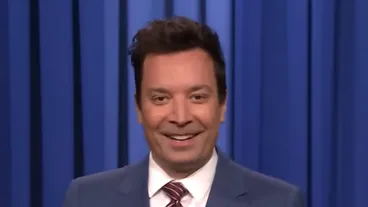
"The Tonight Show" host mocked the South Dakota governor's head-scratching answers when she was asked if she had or hadn't met Kim Jong Un.

Zendaya, Jennifer Lopez, Bad Bunny and Chris Hemsworth co-chaired the evening along with Vogue Editor-in-Chief Anna Wintour.
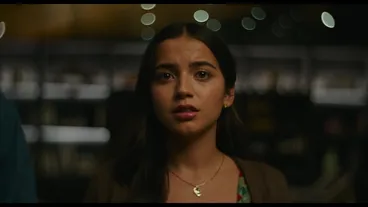
Fans of John Green's 2017 novel, "Turtles All the Way Down," share how the book's new film adaptation accurately captures their lives and the lives of those who love them.

Zendaya, Jennifer Lopez, Anna Wintour, Gwendoline Christie and Ashley Graham showed up on the red carpet for the biggest night in fashion.
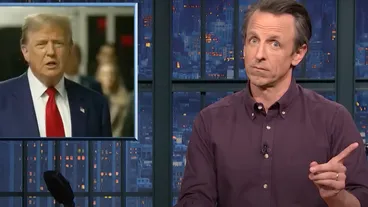
The "Late Night" comedian also ribbed the former president about falling asleep during his hush money trial.
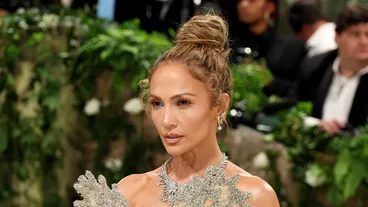
Lopez is a co-chair of this year's esteemed event, alongside Bad Bunny, Chris Hemsworth, Zendaya and Anna Wintour.

Nearly a dozen men had to help carry the rapper's dress.

University of Mississippi opened a student conduct probe after a GOP Congressman acknowledged "potentially inappropriate behavior" in a video he initially praised.

The looks were less than thrilling... until the "Challengers" star showed up.

Kaling said her dress was called "The Melting Flower of Time" — and just wait until you see the back.

Social media posts were filled with encouragement for the former president to continue his defiance of the judge in hopes he'll actually get put behind bars.

A long-awaited meeting between the two lawmakers happened Monday ― and will lead to another meeting Tuesday.


