


👀 DON'T MISS 👀


Jerry Boylan was the first to abandon ship and jump overboard after the fire broke out, killing all passengers and one crew member.

The talk show host said the embarrassing blunder happened while the two were working on the film "Duplex" together.

After months of stop-and-start negotiations, cease-fire efforts between Israel and the Palestinian militant group appear to have reached a critical stage.
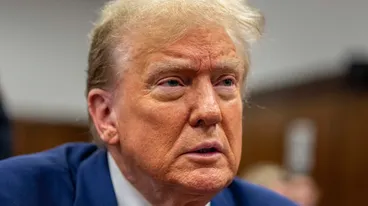
The former president will probably see red at the reaction his self-aggrandizing post garnered on social media.

“‘I’m in menopause!’” the actor shouted on Capitol Hill as a bill to improve women's health was introduced.

The new licensing agreement comes amid serious questions about TikTok's future in the U.S.

The bill expanding antisemitism's definition to include criticism of Israel would only crack down on free speech rights of antiwar student protesters, critics say.
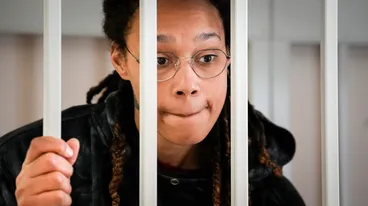
The WNBA star said she considered taking her own life while in captivity, but feared her family would never be able to retrieve her body.
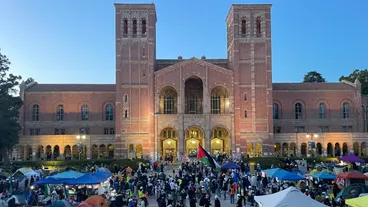
“Honestly, it was the most beautiful thing that’s happened on campus throughout my eight years at UCLA,” one professor said.

The seven-figure ad buy from the Biden-Harris campaign will run on the two-year anniversary of the leaked Dobbs decision.
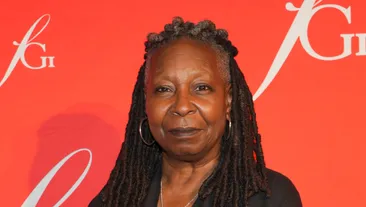
According to the "View" co-host, her mother "didn't tell anybody" about the details of her treatment for decades.

Sen. Steve Daines (R-Mont.) said polling and focus groups showed a need to include exceptions to proposed abortion bans as well.


