


👀 DON'T MISS 👀


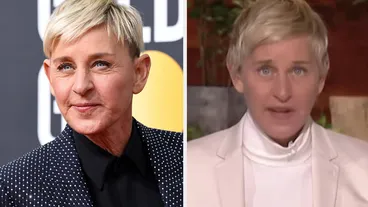
“I couldn’t gain perspective… I just thought, ‘Well, this is not the way I wanted to end my career, but this is the way it’s ending.’”

As police moved in, students were pushed to the ground, pulled by their arms and sprayed with a chemical irritant, according to an assistant professor at the university.

The University of California system overall has opposed calls to boycott and divest from Israel, one of protesters' main demands.

“As a family, especially my sisters and I, we're just so grateful for the love that comes at him," she said of the support he's received.

Tyler James, one of the singer's friends since childhood, shared some thoughts about Sam Taylor-Johnson's new film.
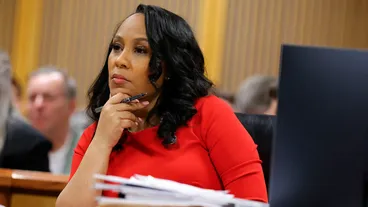
A California man has been indicted by a federal grand jury in Atlanta for sending threats to District Attorney Fani Willis.

Two dozen local elected officials are calling out Trone for describing some people who support county executive Angela Alsobrooks as 'low-level' in a TV interview.

The embattled aircraft manufacturer is at odds with the firefighters' union over a new contract. The union calls the lockout a safety risk.

The "Goonies" star famously claimed in 2013 that the Hollywood predators who allegedly abused him got away with it — and is still plagued by Walters' reaction.

Though House Republicans have argued over the speaker and lost usually winnable votes on the floor, Democrats say it’s no laughing matter.

The Kansas City Chiefs quarterback gushed about his spouse during a recent podcast appearance.


