


👀 DON'T MISS 👀


A Wisconsin school district said a person described as an active shooter was outside a middle school in Mount Horeb but the threat was “neutralized” without injury.
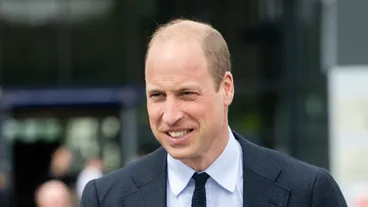
The Princess of Wales said in March that she'd been diagnosed with cancer following abdominal surgery.

Massimo Calabresi, Time's Washington bureau chief, discussed the magazine's revealing new interview with the former president.
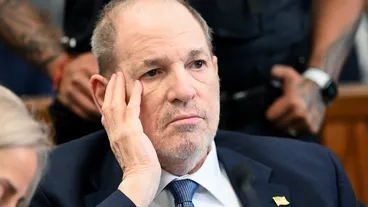
An appeals court overturned the former Hollywood mogul's 2020 conviction last week.

On April 30, 1968, police flooded onto Columbia University's campus to end a demonstration students had staged — a scene that was eerily repeated 56 years later.

A new poll also shows nearly half of election workers are concerned that incoming colleagues might themselves believe lies about widespread voter fraud.
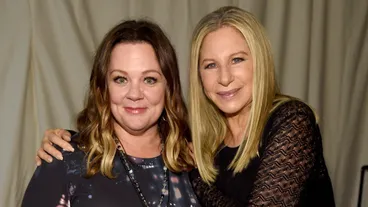
“Did you take Ozempic?” Streisand asked the comedian on Instagram earlier this week, causing an online fiasco.

The far-right lawmaker made the provocative comment as Democratic leaders assured they would block a vote to dismiss the House speaker.

The "Harry Potter" star admitted as much after Rowling remarked that he and his former co-star Emma Watson "can save their apologies."

The "Rust" actor, who's indicted on an involuntary manslaughter charge, reflected on his early days in Hollywood during a revealing chat.

Follow along for live updates from the former president's criminal trial.

The actor stunned observers with some familiar cosplay.


