


👀 DON'T MISS 👀


Critics are wondering how and why this new video from the independent presidential candidate ever got released.

The former Republican National Committee chair also exposed the "fallacy" of what the presumptive GOP nominee claims ahead of the 2024 election.

The former president's niece declared "nobody is stopping him" after Judge Juan Merchan warned that he could face jail time for continued gag order violations.

The former president reportedly gave contributors the unsurprising lowdown on pics with him at Mar-a-Lago.
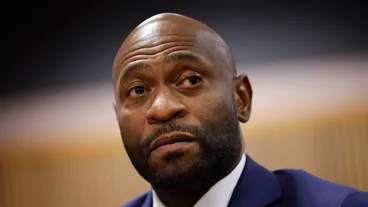
Nathan Wade resigned so District Attorney Fani Willis could continue prosecuting the case.

"It fills an emotional need for Donald Trump but it does not really help him," said the conservative attorney.

In 2012, then-Republican presidential nominee Mitt Romney said that 47% of Americans automatically vote Democrat because "these are people who pay no income tax."

Godwin was the first Black woman to lead a network news division. She announced her retirement from journalism in an email sent to staff.

During an appearance on "Face the Nation," the governor acknowledged edits had been made but wouldn't go much further.

The Englishman played kings, captains and more throughout his four decade career.
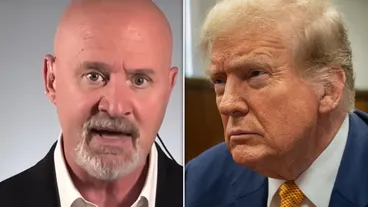
"It actually undercuts one of the defense assertions that they’re trying to use to wiggle out of Trump’s criminal responsibility for this," said Glenn Kirschner.

"I went to shake her hand, and she looked me up and down and said, 'I don't shake hands,' then walked away."


