


👀 DON'T MISS 👀


Jerry Boylan was the first to abandon ship and jump overboard after the fire broke out, killing all passengers and one crew member.
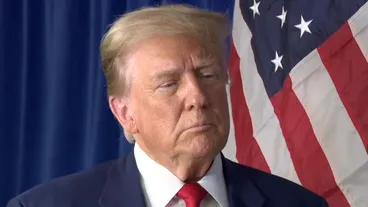
The Wisconsin political reporter challenged the former president, who has repeatedly made the false claim about his hush money trial.
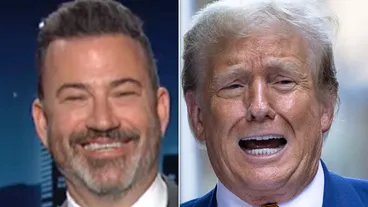
The late night host found himself suddenly part of the action at the former president’s criminal trial in New York.$

A text message saw “the normal hush of the courtroom” suddenly “punctuated by the audible clattering" of journalists' keyboards, noted Norm Eisen.

“It’s probably rough,” David Urban told CNN’s Erin Burnett.

“The Tonight Show” host suggested what messages the former president might have been exchanging with his attorney.

The former president's niece described a "split screen" effect that she believes could be damaging to the case against her uncle.

Connecticut Gov. Ned Lamont says the traffic artery linking New England with New York will be closed around the area where a tanker fire damaged a bridge.

The Manhattan District Attorney’s Office told THE CITY that their police accountability unit is reviewing the shooting that happened as police cleared out campus protesters.

The seven-figure ad buy from the Biden-Harris campaign will run on the two-year anniversary of the leaked Dobbs decision.
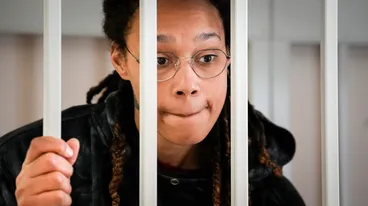
The WNBA star said she considered taking her own life while in captivity, but feared her family would never be able to retrieve her body.

Sen. Steve Daines (R-Mont.) said polling and focus groups showed a need to include exceptions to proposed abortion bans as well.


