


👀 DON'T MISS 👀


"I almost grew a fear of flying," said the former quality inspector for one of Boeing's main suppliers, Spirit AeroSystems.

David Knezevich has been arrested on a federal kidnapping charge in connection to the disappearance of Ana Maria Knezevich Henao in Spain.

The president urged the airplane manufacturer to reach a deal that "gets these firefighters the pay and benefits they deserve."

The "Morning Joe" co-host mocked Trump's dinner with buyers of his digital trading cards on a day off from court.

Los Angeles Superior Court Judge Gus T. May said the rock legend needs the conservatorship because of what his doctor calls a “major neurocognitive disorder.”

Scott's absence in the Senate did not affect the legislative outcome, but it's the latest sign of Republican devotion to the former president.

The Fox News host offered a deeply misogynistic take on the adult film star's testimony about her alleged affair with Trump.
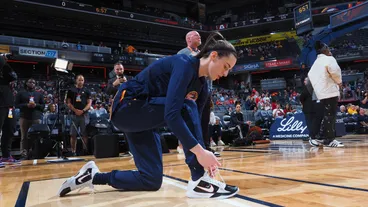
Caitlin Clark walked into her new home arena with No. 22 shirts and jerseys peppered from floor to ceiling.

The former Hawaii congresswoman said she hadn't, but refused to throw Kristi Noem under the bus.

The senator, who became a meme over her SOTU rebuttal earlier this year, cast Donald Trump as a role model for kids.

Seinfeld made the remark during an appearance on the "Fly on the Wall" podcast.

Jack Schlossberg, Caroline Kennedy's kid, showed off his accents to bolster the family's opposition to the independent candidate.


