


👀 DON'T MISS 👀


The Stakes Have Never Been Higher
This year we are facing the most consequential presidential election in recent memory. A vibrant democracy is impossible without well-informed citizens. This is why HuffPost's journalism is free for everyone, not just those who can afford expensive subscriptions.
We cannot do this without your help. Support our newsroom by contributing as little as $2.
Thank You For Your Past Contribution
We are sincerely grateful for readers like you who help us ensure that we can keep our journalism free for everyone.
The stakes are high this year, and our 2024 coverage could use continued support. Would you consider becoming a regular HuffPost contributor?
Thank You For Your Past Contribution
We are sincerely grateful for readers like you who help us ensure that we can keep our journalism free for everyone.
The stakes are high this year, and our 2024 coverage could use continued support. If circumstances have changed since you last contributed, we hope you'll consider contributing to HuffPost once more.
Already contributed? Log in to hide these messages.

One push for getting the House speaker to allow a vote on aid centered on Russian invaders’ treatment of Ukraine’s small evangelical Christian community.

“I love to move my body. I love to sweat. I love to be with people. ... Hiking brings all those things together.”

The reality star said she ended up in a “tiny hospital in the middle of nowhere” in England — where a broken X-ray machine led to one painful alternative.

The buzzy new tennis film, featuring Zendaya, is pretty entertaining — but it's also missing a lot of substance.

"What position is it in soccer where my kid tries to find a four leaf clover?"

The House Democrat named the "most astonishing" thing he heard from one justice after the court heard arguments on Donald Trump's immunity claim.

Sabreen was the sole survivor after her family's home was hit by an Israeli airstrike. "My brother’s family is completely wiped out," her uncle said near her grave.

Most Americans aren't happy with their choices for president, but Biden's going to need to do more than just be the "I'm not as bad as the other guy" candidate.
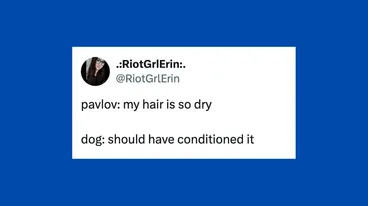
"does anyone else have a pet that nags them to go to sleep? like, do you have work tomorrow or something lil bro??"

The French-Canadian singer married the late René Angélil while wearing an elaborate, crystal-studded Swarovski tiara.

The "Friends" star raised her daughter with actor David Arquette.

Frank Tyson, a 53-year-old Black man, died in Canton, Ohio police custody on April 18.


