





👀 DON'T MISS 👀


The Stakes Have Never Been Higher
This year we are facing the most consequential presidential election in recent memory. A vibrant democracy is impossible without well-informed citizens. This is why HuffPost's journalism is free for everyone, not just those who can afford expensive subscriptions.
We cannot do this without your help. Support our newsroom by contributing as little as $2.
Thank You For Your Past Contribution
We are sincerely grateful for readers like you who help us ensure that we can keep our journalism free for everyone.
The stakes are high this year, and our 2024 coverage could use continued support. Would you consider becoming a regular HuffPost contributor?
Thank You For Your Past Contribution
We are sincerely grateful for readers like you who help us ensure that we can keep our journalism free for everyone.
The stakes are high this year, and our 2024 coverage could use continued support. If circumstances have changed since you last contributed, we hope you'll consider contributing to HuffPost once more.
Already contributed? Log in to hide these messages.

The former president criticized pro-Palestinian protesters at Columbia University for causing "tremendous damage."

The "Tonight Show" host had a spoof solution for the former president, who reportedly keeps falling asleep in court during his hush money trial.

Judge Juan Merchan warned the former president could face jail time if he continues to violate the directive.

Even the former president's legal team was laughing, said the anchor.

"I loved my dog and my dog loved me," the Utah senator said when asked about comparisons between him and South Dakota's GOP governor.

Noem, South Dakota's governor, defended killing a 14-month-old dog in her memoir, claiming the pup was useless for hunting.

The actor said people believe in the story of Adam and Eve because "they're stupid enough."

Local law enforcement that won't participate "won't partake in the riches," the presumptive GOP presidential nominee vaguely threatened in a new interview.

The “Funny Girl” star drew backlash after she left — and swiftly deleted — an awkward comment on one of the comedian's Instagram posts.
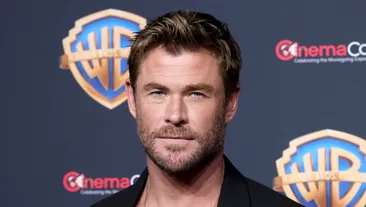
The “Thor” actor set the record straight about his health and future in Hollywood.

“I got away with murder,” the rocker said of his marriage with high school sweetheart, Dorothea Hurley.

The judge ordered the grocer to pay the union’s legal fees after it tried to claim the union had violated its trademarks.


