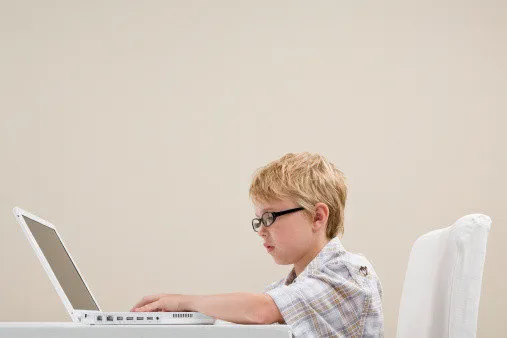
As we continue to move even further into the 21st century, technology becomes more embedded in all aspects of society. As a father, I see this firsthand with my son, who is in first grade. The gift he wanted the most this past Christmas was an iPod Touch, which Santa was kind enough to bring him. Then there is his younger sister who will regularly ask to use my iPad so she can either care for her virtual horse or dress Barbies in creative ways. As I download all of the apps on these devices, the majority of their time is spent engaged in games that require thought, creativity, and sometimes collaboration. My point here is that many children across the world have access to, and are using, technology outside of school in a variety of ways. Not only do many have access, but also older children possess their own devices (cell phones, smart phones, laptops, tablets, e-readers, etc.).
As society continues to move forward in terms of innovation, technology, and global connectivity, schools are being stymied by relentless cuts to education. This has resulted in the reduction of staff, larger class sizes, lack of follow through to repair aging buildings, and the inability to keep up with purchasing and replacing educational technology. It is essential that we rectify all of the above mentioned impacts of budget cuts, but when it comes to technology the perception is that it is the least important area in which to invest precious funds. This is why the time is now for districts and schools to seriously consider developing a Bring Your Own Technology (BYOT) initiative.
The world of education is often defined by the "haves" and "have-nots." It is this separation that ultimately drives decisions when it comes to educational technology. Why should students in less affluent districts not be afforded the same opportunity as those with large budgets to utilize technology as a learning tool to create, collaborate, connect, communicate, and develop essential media literacy? A BYOT initiative makes sense as we can now leverage a variety of devices that many of our students already possess. It is how we utilize these student owned devices in schools that is the key to a successful BYOT initiative.
There are many well-respected educators that I greatly admire who feel that BYOT has no place in schools. Their main reasons for this are equity in terms of students that have devices and the belief that it is each district's responsibility to provide all technology to be used by students in schools. I wholeheartedly agree with their positions, but those of us in the trenches must play with the cards that we have been dealt. As educators, it is our duty to do everything in our power to provide our students with the best learning opportunities possible and in many cases allowing students to bring their own devices to school assists in meeting this lofty goal.
We launched our BYOT program at New Milford High School this past September after just piloting it with the senior class last spring. There have been many lessons learned from this journey, the most important being that the students have greatly appreciated this shift. Policies have been developed for students to bring in their own computing devices, a ban on cell phone use during non-instructional time has been lifted, and educational programs have been put in place to teach our students about digital citizenship, responsibility, and footprints. We did not let excuses, such as equity, stop us from moving forward with an initiative that is turning out to have real value to our students and teachers. Key components of a successful BYOT initiative include the following:
- Begin to change the way students view their devices by changing the language when they are referenced. Students need to fully understand that they are tools for learning. Make consistent efforts to refer to them as mobile learning devices.
- When using these devices in the classroom, the teacher must ensure that there is a specific learning outcome connected to the device.
- Ensuring equity is important and we must be cognizant of those students that might not own a device. Determining those that do not in a confidential manner is very important. If using mobile phones, teachers can easily pair students up.
- A BYOT initiative can actually supplement what a school might already have in terms of technology and increase access. For example, let's say a school has a laptop cart with only 20 devices because that is all that could be afforded, but there are 25 students in the class. Student owned technology could then be utilized to close this gap.
- Develop appropriate support structures that align with current Acceptable Use Policies.
- Provide professional development and resources to teachers so that they can be successful in implementing mobile learning devices.
- Treat students like 21st century adolescents. Many of them own and use these devices outside of school. If we can focus use on learning, then why would we not allow them to bring these tools and use them in school?
- Unacceptable use is dealt with accordingly based on a school's discipline code. This should not be considered different than any other infraction. When it comes to off task behavior in the classroom, this is most likely the result of a poorly planned lesson or ineffective classroom management techniques.
- Promote use of student owned devices for learning during non-instructional time. At NMHS, one can now routinely see students using their devices during lunch to conduct research for projects, complete homework assignments, and organize their responsibilities. Additionally, we have seen a dramatic reduction in behavior issues.
Instead of bashing BYOT and coming up with ideas on how and why it won't work or how it is unfair, we would be best served to brainstorm ways in which it can become an educational component of our schools. The excuses to write off BYOT only serve to undermine the students that we are tasked with educating. A BYOT initiative will be unique to each district and should be carefully constructed based on socioeconomics and community dynamics. To begin the process students should be asked for their input. What are your thoughts on BYOT in schools? If it has worked for you, please share your experiences.