


👀 DON'T MISS 👀


The Stakes Have Never Been Higher
This year we are facing the most consequential presidential election in recent memory. A vibrant democracy is impossible without well-informed citizens. This is why HuffPost's journalism is free for everyone, not just those who can afford expensive subscriptions.
We cannot do this without your help. Support our newsroom by contributing as little as $2.
Thank You For Your Past Contribution
We are sincerely grateful for readers like you who help us ensure that we can keep our journalism free for everyone.
The stakes are high this year, and our 2024 coverage could use continued support. Would you consider becoming a regular HuffPost contributor?
Thank You For Your Past Contribution
We are sincerely grateful for readers like you who help us ensure that we can keep our journalism free for everyone.
The stakes are high this year, and our 2024 coverage could use continued support. If circumstances have changed since you last contributed, we hope you'll consider contributing to HuffPost once more.
Already contributed? Log in to hide these messages.
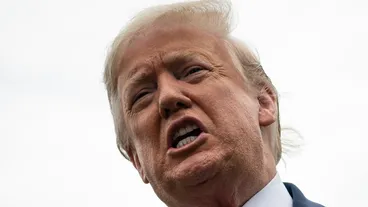
Republican Voters Against Trump put prominent figures on blast for supporting the former president.

Andrew Weissmann argued why America is "on the razor's edge" of a drastic change to its future.

The son of the former president gets a quick reminder of what his father has really been doing in court.

The Ohio senator, who is rumored to be on Trump's vice presidential shortlist, previously referred to the former president as "loathsome" and an "idiot."

A video of Loran Livingston’s comments has gone viral on social media.

Amber Rutter, a shooter on Team GB, recently said, “I’m going there for gold, and don’t ever get that mistaken.”

But the former attorney general then immediately downplayed his admission.

The daughter of the late Sen. John McCain likened the South Dakota governor's revelation to something frightening from the silver screen.
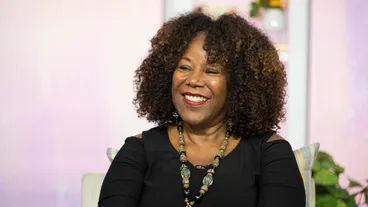
The civil rights activist also said schools banning books on Black history is an "excuse not to share the truth."

Tornadoes have killed four people in Oklahoma and left thousands without power.

The far-right lawmaker's own colleagues are starting to turn against her.

Pedro Sánchez took five days off to think about his future, following the decision by a court to open preliminary proceedings against his wife on corruption allegations.


