The health reform debate has taken an odd turn. At a time when all the parties with a direct interest - hospitals, doctors, insurers, drug companies - are working toward a political compromise, daunting new roadblocks are created daily by those with a broader political agenda who won't be directly impacted by the outcome.
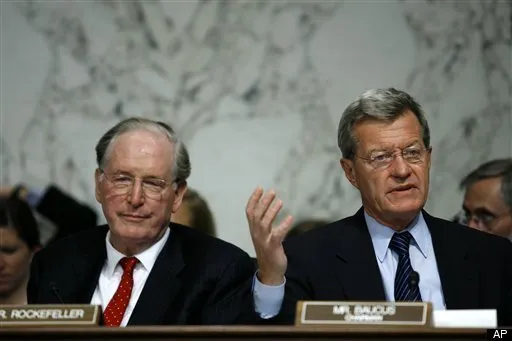
Each time politicians seeking to make a deal try to move the ball forward - whether it is President Obama making deals with the drug companies or hospitals or Finance Chair Baucus trying to corral votes by constraining costs - there's a vocal reaction from those who can't tell the difference between making a deal and selling out.
As Sheri and Allan Rivlin point out in their latest analysis, there's a continuing danger that the effort will be derailed by Democrats on the left who demand a clear victory over the Republicans by enacting a public plan and Republicans on the right who return the favor when say that trying to limit care to what is needed rather than wanted is an intolerable assault on American freedom.
The issues are complicated and perfection may once again be beyond the reach of our political system (however often each of us achieves it personally), but making things somewhat better isn't rocket science. Expanding coverage by ending the bias against pre-existing conditions is a positive step. Squeezing out tests and procedures that yield few positive results is a no brainer.
Goo Goos (the affectionate nickname for the good government types who worry about the powerful having undue political influence) suggest giving a larger role to allegedly value-free bureaucratic mandarins who'd decide what type of care is appropriate. They'd lock all parties with financial interests out of the room and allow their sleek machine to do its job - deciding who'd get paid for doing what - shielded from the corrupting messiness of the political process.
Their idea is an interesting one. But there's at least a chance they have things totally backward.
Perhaps it would make a sense to lock all the parties at interest in a room - basically the providers and those who pay - and let them make a deal, excluding the bloggers, cable TV talkers, op-ed authors, advocacy groups and fund-raisers, all of whom seem to have more interest in heat than light and none of who can deal with the possibility of a solution that will deny them an issue that has served them so well for so long.
Others have suggested that health won't be reformed until everyone involved has some skin in the game (an argument against shielding patients from real costs with insurance payments). That environment is nowhere in sight. But the idea of limiting the debate to those with skin in the game seems promising.