
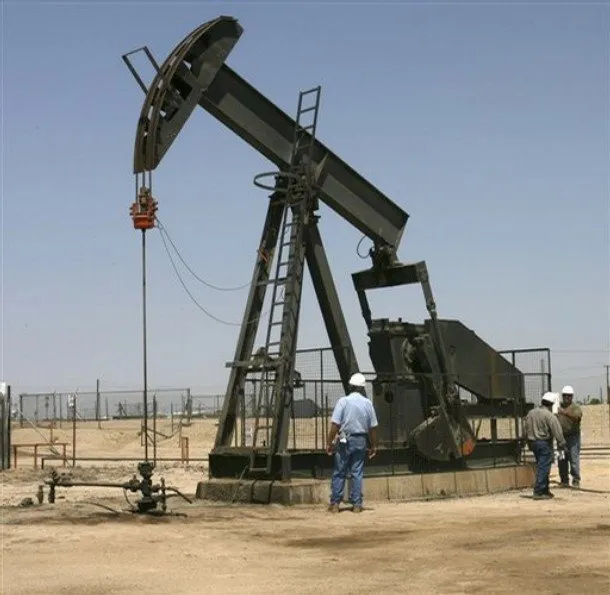
After a brutal summer of volatile fuel prices and hyper-partisan politics, Congress's latest attempt at cogent energy policy came up frustratingly short. In the end, the Senate "gang of 20" effort stalled, and the House passed a "compromise" package primarily intended to ease pain at the pump by adding supplies and reducing the price of energy. Unfortunately, what's really being compromised is the chance to address both energy and climate security threats by investing in the U.S. economy.
The United States--and the world--face a perfect storm of global challenges that build on one another: energy, the environment, and security. Soaring global demand for fossil fuels has sent prices to unprecedented levels. Not only gasoline, but also coal and natural gas cost 40 percent or more than they did last year.
Soaring global use of fossil fuels has also accelerated global warming, which is now changing our planet faster than anyone expected. And, as a spate of solemn reports by defense experts has detailed, the global fossil fuel addiction and climate change pose serious consequences for geo-political stability, as countries will increasingly compete for dwindling fuel, heat, electricity, food and fresh water supplies.
Climate change, national security, and energy are inter-connected through our persistent and growing dependence on fossil fuels. We cannot try to solve one dimension of this challenge in isolation and expect a satisfactory result. We must address all three.
That's why the current energy "debate" is so disappointing. The climate/energy/security challenge is actually a major opportunity for American leadership. If we get serious about moving off fossil fuels, we can significantly curtail our oil dependence, transition to cleaner, domestic energy supply, and make significant progress on global warming, all at the same time. In the process, we can create immediate opportunities for clean technology, energy infrastructure, investment and jobs, which position us to compete for tomorrow's markets rather than fall behind trying to protect last century's technologies.
So what's the answer? If we're serious about "big picture" energy policy, the United States must address energy use throughout the economy. Our transport system, for example, is 96 percent dependent on oil, and so long as that remains true, we miss a big opportunity to move to a cleaner--and ultimately cheaper--transportation infrastructure.
Our homes and offices are built on the assumption of cheap energy. They leak money. An immediate investment in storm doors, tight windows, heat pumps, and smart controls would create jobs in every congressional district, and would save money for Americans this winter.
Big picture energy policy also means investing in the next economy--not the previous one. Look at what's happening in the wind and solar industries. China is now the leading producer of solar cells (overtaking Germany), and may become the world's leading producer of wind turbines as early as 2009. This astounding growth is occurring because policies in Asia and Europe are creating markets for clean technologies. So the question is not whether the world's energy supply will be different in the near future, it is will the United States be a player in building it? The policy choices we make today will either help create those markets here at home, or it will ship them overseas.
Getting serious on energy policy means recognizing that not all the energy alternatives under discussion make sense. The ones we should focus on are those that address all three facets of the climate/energy/security challenge. These include, for example, better vehicle and building efficiency standards and renewable power.
Real political leadership helps people face and conquer new challenges. Let's stop pretending we can recapture the cheap energy era by playing political scrimmage matches on energy and climate change. Rarely has the need for vision and courage been more pressing. Judging by the fine print of their website content, our presidential candidates both get the big picture. Of course they must acknowledge people's pain at the pump. But that pain will not recede simply by drilling around the US coastline. They must stand up and sell the need for a comprehensive approach to energy, climate change and national security to Congress and the American people.