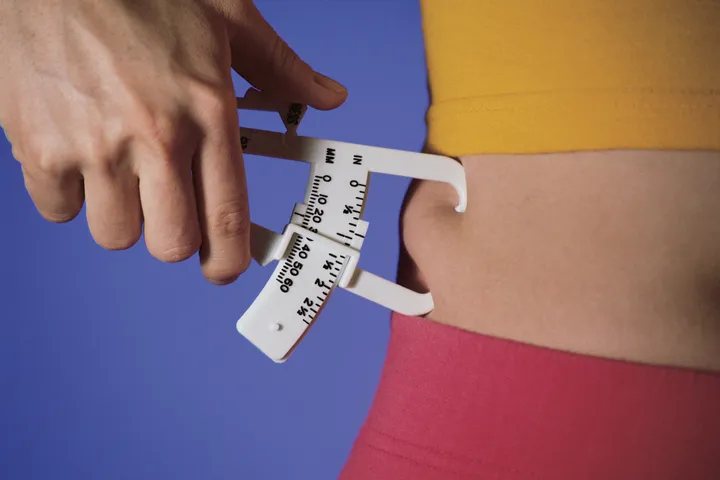
Each day, we're on the receiving end of a barrage of messages through more and more mediums that encourage us to be thin. It's the yogurt commercial glamorizing disordered eating thoughts or the tweet urging followers to read an article describing "good" and "bad" foods for weight loss. The underlying message might be cloaked in a word like "beautiful," "fit" or "healthy," but more often than not, there's an implied association with thinness. Under this steady pressure, it's not uncommon to internalize thin ideology, engrain it in our thought processes and behaviors around food and body image and even impress these same ideals on our loved ones.
These conversations stressing the importance of weight loss -- with others or ourselves -- have been coined "fat talk" by professionals in the mental health field. We've all done it at one point or another, muttering under your breath about your pants that used to feel much looser or asking a friend or loved one if an article of clothing makes you look fat. "Fat talk" is not always damaging -- in fact, for many people, these conversations can be a catalyst for a healthier lifestyle and encourage sound eating and exercise habits. However, these seemingly harmless, offhand remarks place an emphasis on weight as a measure of worth, which can have unforeseen and sometimes devastating consequences for individuals prone to eating disorders.
Does "fat talk" lead to eating disorders?
Over the course of my career in eating disorders treatment, I've worked with countless patients who can trace the start of their obsession with food and weight back to a simple comment. Whether a personal acknowledgement of their weight, shape or a comment made by an insensitive friend or family member, this "fat talk" represented a significant moment in time during which they measured their worth by weight or size. When combined with a latent genetic predisposition or other risk factors, this "fat talk" triggers the development of a serious mental illness.
To be clear, "fat talk" rarely causes eating disorders. While a negative comment may spur temporary behaviors such as restricting calories, purging or over-exercising, the pathology of these diseases is much more complex. Eating disorders develop as a result of biological, psychological and sociological factors. So much of what contributes to the development of an eating disorder is out of our control, including genetic makeup and our culture's pervasive obsession with thinness, which makes it imperative to identify what we can control in regard to eating disorders prevention. "Fat talk" and the conversations we have with ourselves and others equating worth to weight are something we can control, and curbing these dialogues can be a powerful anecdote against the uncontrollable and external risk factors associated with eating disorders.
Can we prevent eating disorders, body image and self-esteem issues?
Awareness and thought interruption are two strategies that can help people put an end to "fat talk." Simply put, we can't address harmful thought processes or behaviors unless we are aware of them. I encourage you to be more attuned to what you say about your body and when you make negative comments. Often times, people will engage in "fat talk" more frequently when other frustrating events are occurring in their lives. For others, disparaging body comments are habitual and "normal." Many people don't even realize they're making these comments. Think about your closest networks. Did your parents and siblings engage in "fat talk" when you were growing up? Do your friends and colleagues make these kinds of comments when you spend time together? If the people around you engage in "fat talk," it can normalize the behavior. Regardless of how conscious your comments are or how normal they seem, "fat talk" can be harmful to yourself and others and, in some cases, can contribute to the development of an eating disorder.
Once people develop an awareness of negative body thoughts and comments, they can begin practicing thought interruption -- in other words, identifying negative thoughts and silencing them or replacing them with positive thoughts. Next time you find yourself about to make a comment about your thighs, stop yourself and instead think about the important things your legs help you do, like playing with your children or pets. And rather than chime in with a knee-jerk "Me too!" the next time your friend tells you she "looks like a whale today," give her a compliment instead. It may sound overly simplistic, but positivity and body acceptance are compelling preventative strategies to avoid the development of eating disorders, body image issues or low self-esteem.
Visit Eating Recovery Center's website for more information about managing and eliminating "fat talk" in all levels of eating disorders and body image treatment.