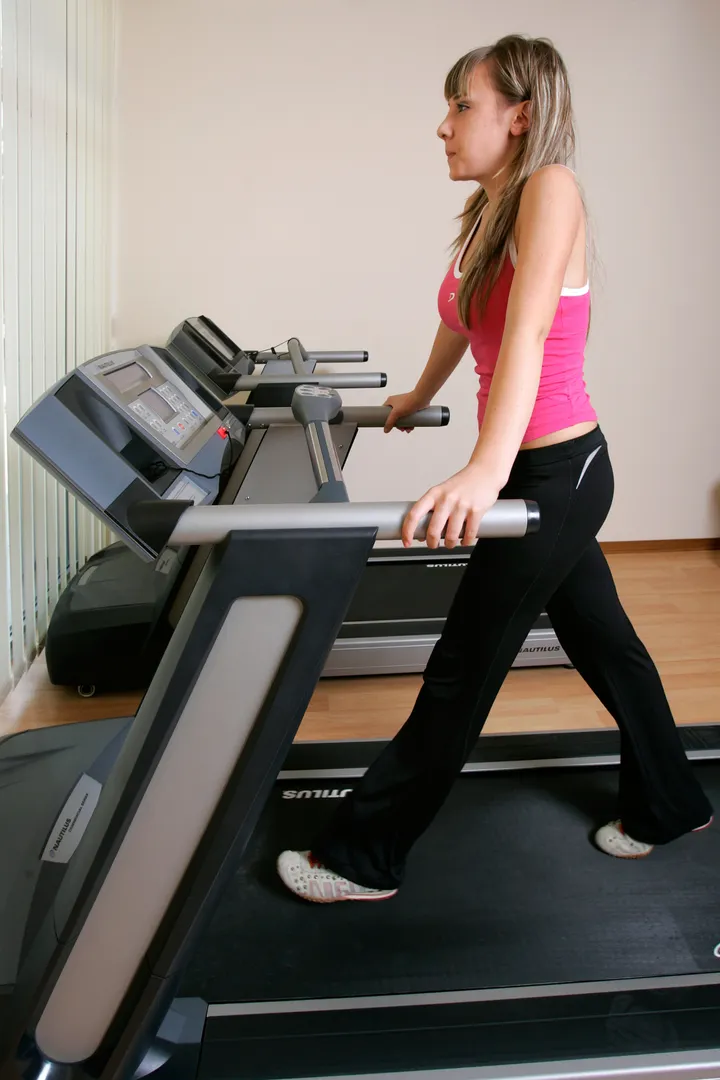
Exercise is good for you. This shouldn't come as shocking news to anyone; the risks of a sedentary lifestyle are abundant and well reported, particularly as the country faces a public health crisis in which one-third of adults and 17 percent of children are obese.*
However, like most things in life, you can get too much of a good thing when it comes to exercise. Compulsive over-exercise is characterized by frequent episodes of excessive physical activity. Individuals will go to great lengths to fit exercise regimens into their schedules, even if it means skipping work, cutting school, avoiding social events with friends and family, even exercising in secret. Instead of supporting health, excessive exercise, inadequate rest and recovery time between physical activities can damage a person's body and overall health, causing joint injuries, tendonitis, stress fractures, muscle tears, exhaustion, fainting and dehydration.
Compulsive exercise often occurs alongside eating disorders, as the motivations underlying the excessive physical activity often stem from food-, body- or weight-related issues. Many over-exercisers will do so as a result of guilt or shame from just having eaten or binged or to give themselves "permission" to eat. (The latter was recently the target of much scrutiny from the eating disorders awareness community when the idea was used humorously in a Yoplait commercial.) In fact, exercise bulimia is a subset of bulimia nervosa in which an individual is compelled to exercise at an overly excessive level in an effort to burn calories and fat. Just as individuals with bulimia purge calories through vomiting or laxative use, exercise bulimics use physical activity as their compensatory behavior. Over-exercising behaviors can also accompany anorexia nervosa when used in conjunction with severe food and calorie restriction.
In addition to the aforementioned health risks of compulsive over-exercising in and of itself, intensive exercise behaviors can result in medical complications such as bone disease, cardiac distress and organ failure. This is due to the insufficient nutrition that generally accompanies anorexia and bulimia.
Exercise is common and encouraged as part of a healthy lifestyle. However, because the negative outcomes of compulsive over-exercising can be subtle, easily hidden or downplayed by exercise bulimics, it can be difficult to determine whether a friend or loved one's level of physical activity is worrisome or not. The best way to gauge if behaviors are out of control or symptomatic of an eating disorder is to understand the warning signs of exercise bulimia, as well as those indicative of anorexia and bulimia, since compulsive over-exercising can occur with these illnesses as well.
Warning signs of exercise bulimia
- Missing social events, appointments and even work in order to exercise.
Warning signs of anorexia
- Dramatic weight loss; a preoccupation with weight, food, calories, fat grams and dieting; denying hunger.
Warning signs of bulimia
- Evidence of binge-eating, including disappearance of large amounts of food in short periods of time; evidence of purging behaviors. Frequent trips to the bathroom after meals, signs and/or smells of vomiting; presence of laxatives or diuretics.
Also, learn about the eating disorders treatment resources available in your community, and encourage your friend or loved one to seek the guidance of an eating disorders professional. Treatment for an eating disorder can range from outpatient appointments as necessary to inpatient, hospital-based care for those who are medically compromised from their unhealthy exercise and eating patterns. A trained professional can guide individuals into the right level of care at a treatment center that meets their recovery needs. Chat live with a master's-level eating disorders clinician about concerns for yourself, a friend or a loved one here.
*http://www.cdc.gov/obesity/data/adult.html