
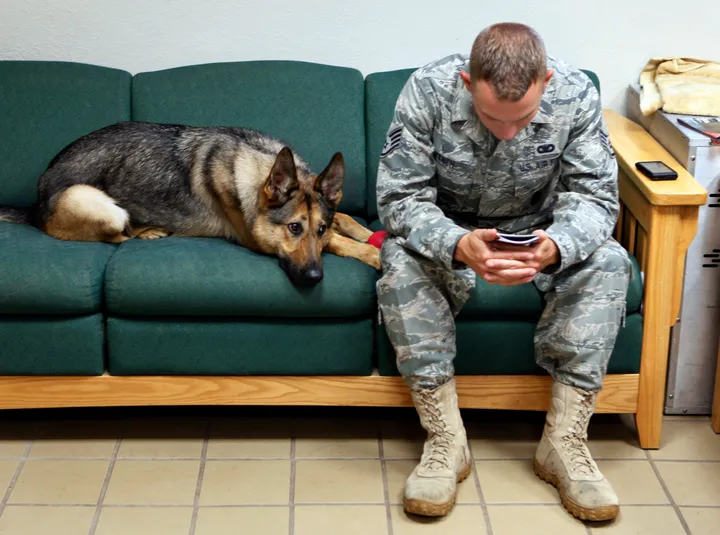
On September 27, the U.S. Army put its time-sensitive, high-priority duties aside to educate our troops about one issue. It wasn't the latest terrorism threat. It wasn't the upcoming election. It wasn't a new strategy for the Afghanistan War. This unprecedented stand-down was to educate the military about the record suicide rate among our active-duty troops.
With the heartbreaking suicide stories accumulating at an alarming rate, it's time to follow in the army's footsteps. There's never been a more critical time to switch our smartphones to airplane mode, log off Facebook, and stage our own suicide stand-down. It starts right here, right now.
We all know that the wars in Iraq and Afghanistan have spurred a troubling number of suicides among active military personnel and veterans. Some estimates show that veterans, about 1 percent of the population, now account for about 20 percent of all U.S. suicides. One U.S. troop member commits suicide each day. And a new report states July 2012 was the worst month for active-duty suicides yet, pushing the 2012 military suicide tally, 187 (and counting) as of August, over last year's 167. These suicides are almost always the result of untreated PTSD.
Georgetown University philosophy professor Nancy Sherman has been one of the most outspoken voices arguing for more action against PTSD and other non-physical wounds that drive this suicide rate. As the emotional and moral stresses of war pile up, Sherman says, this trauma manifests itself as moral injuries that endure long after a military member's tour of duty. The most pervasive of these moral injuries is PTSD. Numerous studies have found a link between Veteran PTSD, survivor's guilt, and increased risk of suicide, and my experience providing PTSD treatment for veterans supports this research. I have heard countless warriors express their overwhelming guilt and frustration at their inability to re-engage in civilian life. When untreated, these deep emotional scars quickly develop into severe depression and, in some cases, suicidal thoughts.
With 300,000 of our Iraq and Afghanistan war troops plagued by PTSD, treatment for this epidemic should be the cornerstone of our military suicide training. Now is the time to stand up against military suicides by providing our veterans with the support they need to survive the tough transition from battlefield to civilian life.