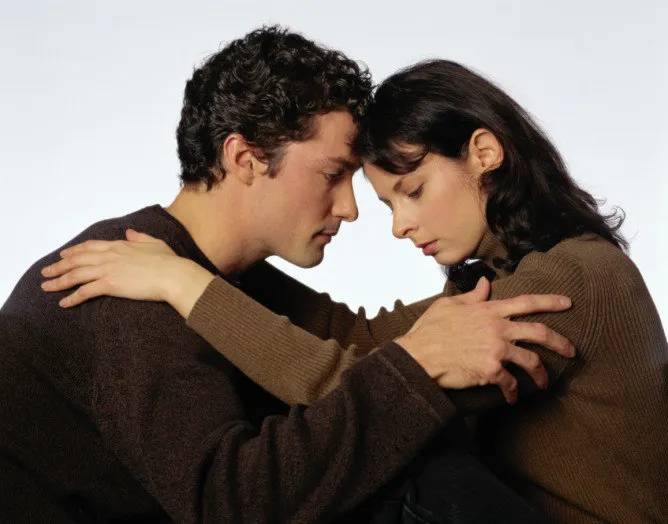
Are you emotionally dependent? Has this wreaked havoc in your relationships? What is Emotional Dependency?
Lydia consulted with me because her relationship with her husband, Andrew, was falling apart. Andrew had moved out, stating he could no longer tolerate Lydia's neediness and constant pull on him to make her feel loved and secure.
Now that they were separated, Lydia's emotional dependency was getting even worse. She was deeply addicted to Andrew making her feel better, if only through a brief text message.
Lydia believed her feelings of safety, worth and lovability had to come from someone else. She took no emotional responsibility -- no responsibility for what she was telling herself and how she was treating herself that were causing her pain and panic.
It soon became clear to Lydia that her panic was being caused by her own self-abandonment, not by Andrew abandoning her. She was constantly abandoning herself by judging herself, ignoring the feelings resulting from her self-judgments and then handing responsibility to Andrew to make her feel better. When she couldn't reach Andrew, she would collapse into tears and sooth herself with TV and food. She constantly felt panicked, not because Andrew was not there for her as she had believed, but because she had never developed an inner-loving adult self capable of taking loving care of herself.
As a result of her self-abandonment, Lydia was constantly emotionally needy and pulled on Andrew with her tears and anger. While she said she loved Andrew, her primary intent was to get love rather than to give and share love. Lydia was emotionally dependent.
What is Emotional Freedom?
We are emotionally free when:
- We do not make others, the past or circumstances responsible for our feelings -- we do not see ourselves as victims. Instead, we take responsibility for causing our own suffering by noticing how we treat ourselves and what we tell ourselves, and we nurture ourselves through the grief, sorrow, loneliness and heartbreak that come from painful life events, such as the death of a loved one.
We are not governed by our feelings. Our feelings guide us, but we are not led around by them. We recognize our positive feelings of love, peace and joy are letting us know that we are taking loving care of ourselves, and that our negative feelings of anger, fear, hurt, anxiety, depression, guilt, shame and so on are letting us know that we are abandoning ourselves. We do not collapse into our feelings, becoming our feelings. Instead, we are a witness of our feelings and learn from them and/or nurture them. We take loving action on our own behalf to take responsibility for our painful feelings, and for our feelings of worth, lovability, safety and security.Relationships and Emotional Responsibility
Relationships flounder when one or both partners are emotionally dependent on the other partner for their feelings of worth and security. When you abandon yourself and make your partner responsible for your pain and your self-worth, then you are stuck trying to have control over your partner taking care of you -- doing for you what you need to be doing for yourself.
When you are not loving and valuing yourself, you do not have love to share with your partner. You are constantly trying to get love rather than share love. Trying to have control over getting the love you need to be giving to yourself through your own self-care is what creates many relationship problems.
When both partners decide to learn how to take responsibility for their own feelings and learn to value themselves, they can then come together to learn, grow, play and share love. This is much more fun than trying to get love.
Support HuffPost
Our 2024 Coverage Needs You
Your Loyalty Means The World To Us
At HuffPost, we believe that everyone needs high-quality journalism, but we understand that not everyone can afford to pay for expensive news subscriptions. That is why we are committed to providing deeply reported, carefully fact-checked news that is freely accessible to everyone.
Whether you come to HuffPost for updates on the 2024 presidential race, hard-hitting investigations into critical issues facing our country today, or trending stories that make you laugh, we appreciate you. The truth is, news costs money to produce, and we are proud that we have never put our stories behind an expensive paywall.
Would you join us to help keep our stories free for all? Your contribution of as little as $2 will go a long way.
Can't afford to donate? Support HuffPost by creating a free account and log in while you read.
As Americans head to the polls in 2024, the very future of our country is at stake. At HuffPost, we believe that a free press is critical to creating well-informed voters. That's why our journalism is free for everyone, even though other newsrooms retreat behind expensive paywalls.
Our journalists will continue to cover the twists and turns during this historic presidential election. With your help, we'll bring you hard-hitting investigations, well-researched analysis and timely takes you can't find elsewhere. Reporting in this current political climate is a responsibility we do not take lightly, and we thank you for your support.
Contribute as little as $2 to keep our news free for all.
Can't afford to donate? Support HuffPost by creating a free account and log in while you read.
Dear HuffPost Reader
Thank you for your past contribution to HuffPost. We are sincerely grateful for readers like you who help us ensure that we can keep our journalism free for everyone.
The stakes are high this year, and our 2024 coverage could use continued support. Would you consider becoming a regular HuffPost contributor?
Dear HuffPost Reader
Thank you for your past contribution to HuffPost. We are sincerely grateful for readers like you who help us ensure that we can keep our journalism free for everyone.
The stakes are high this year, and our 2024 coverage could use continued support. If circumstances have changed since you last contributed, we hope you’ll consider contributing to HuffPost once more.
Already contributed? Log in to hide these messages.