NYR More

Featuring fresh takes and real-time analysis from HuffPost's signature lineup of contributors
Marlynn Snyder

GET UPDATES FROM Marlynn Snyder

Hip-Hop Music and Culture, From the Beginning

Posted: 03/16/11 10:42 AM ET

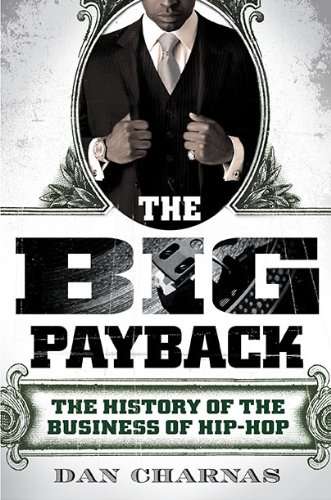
To research and report on the history of hip-hop -- from its modest New York beginnings in the 1970s at parties in uptown Bronx recreation centers and parks, to its impact on mainstream marketing, advertising and global culture -- is a huge undertaking. In Dan Charnas' exhaustively researched The Big Payback: The History of the Business of Hip-Hop (New American Library/Penguin), he does exactly that.

Over the course of 600-plus pages, Charnas, a veteran of the hip-hop music business (talent scout, record promoter, journalist), traces the evolution of rap music, which emerged from the ashes of the late 1970s disco scene. The Big Payback, which Spin magazine called "Pulitzer-level reporting," not only chronicles the fascinating stories of early trailblazing hip-hop recording artists (Run-DMC, the Fat Boys, Grandmaster Flash and the Furious Five, among them), but all the way through to some of today's biggest hitmakers/dealmakers (Jay-Z, Eminem, 50 Cent). The book also tracks the colorful, often shady, constellation of managers, promoters, label executives, attorneys, journalists, publicists and others that grew up around this urban American success story.

2011-03-14-The_Big_Payback_The_History_of_the_Business_of_HipHop68282.jpg


So many moments woven throughout the book's narrative are both historical and exciting. Among them: descriptions of early uptown park "jams," where good music kept kids engaged and off the streets; the revelation that the first American label to take a chance on a British R&B group called the Beatles was African-American-owned Vee-Jay Records; how hip-hop grew in prominence in early 1980s New York City, merging with art, fashion and downtown cool-hunter culture to create the most potent arts scene of that era; how 1985's Fresh Fest became the first corporate-sponsored stadium rap tour, drawing mainstream media attention; and the creation of The Source magazine, started as a newsletter by Harvard students, that went on to become one of the most successful media outlets to reflect hip-hop culture and politics, only to crash and burn spectacularly due to greed and staff infighting.

Full disclosure: I worked in the music industry for over a decade (from the early 1990s to the mid-aughts), first as a freelance journalist and then as a PR agent, both independently and in-house at record labels. Having known, met or worked with several of the people profiled in The Big Payback, reading it now gives me flashbacks of good and bad memories, working in a creative art form started by kids who fused beats and rhymes to give the disenfranchised a voice, that became a worldwide phenomenon that everybody wanted a piece of (and a check from).

I appreciate Charnas' level of detail, gleaned from over 300 interviews over a seven-year period. The book's eight main chapters, or "albums," cut a wide swath through the personalities, rivalries, thrilling successes and sad failures, that were all part of a music genre that literally pulled itself up by its own bootstraps to become a culture emulated around the globe.


Follow Marlynn Snyder on Twitter: www.twitter.com/MrMarlynn


  • Comments
  • 15
  • Pending Comments
  • 0
  • View FAQ
Comments are closed for this entry
View All
Recency  | 
Popularity
06:06 PM on 03/30/2011
Music listeners save hip-hop music now and in the future...
05:17 PM on 03/17/2011
Great interviews with Dan Charnas

Interview: Dan Charnas, Author Of The Big Payback: The History Of The Business Of Hip-Hop, Part 1 http://t.co/BgmKPDo

Interview: Dan Charnas, Part 2 on ANDYOUDONTSTOP hosted by Chuck D http://t.co/f68tDtg
04:48 PM on 03/17/2011
I went to college in the Tri-State area and actually attended some of those park jams with friends from Brooklyn, the Bronx and Queens. These events blew our minds and soon, guys on the college campuses in my area started trying to rap and scratch at campus parties and dances. The women all swooned over them; although none of them were any great lyrical talents. It was all such fun! Even then, performers from various boroughs tried to differentiate their styles from one another; and guys from Philly were trying to develop their own style, especially the "conscious rappers"; and guys from NJ tried to emerge from the shadows of Sylvia Robinson-backed Sugar Hill Gang. The female rap pioneers were making "answer songs" in response to popular offerings by male rappers or songs that were crazy funny like "Funk You Up" by the Sequence--a group that gave us fine neo-soul singer Angie Stone and hilarious fodder for drunken dorm b.s. sessions/impromptu talent shows.
photo
HUFFPOST SUPER USER
Mr Sick Of Greed
03:51 PM on 03/17/2011
REAL HIP HOP = Public Enemy, Run DMC, Eminem, Atmoshphere, NAS, Jay-Z, 2Pac (the greatest rapper ever), Notorious BIG, the entire WU-Tang Clan, Aesop Rock, Bone Thugs N Harmony, The ROOTS, Ice Cube (early days), N.W.A., The Beastie Boys, OUTKAST, The Pharcyde, A Tribe Called Quest, De La Soul
CRAP HIP HOP = Kanye West, Drake, Lil Wayne, and pretty much all of these mainstream artists who think they are good, when in reality, huge record sales mean squat...
02:59 PM on 03/17/2011
It's has long been a well-known fact that Vee Jay Records, started by Gary, Indiana's Vivian Bracken and her husband, issued the Beatles 1st release in the U.S. before losing the rights to a bigger record company. She was a longtime radio deejay and record shop owner before starting the label. That label had a great roster of talent; although the artists generally didn't fare that well financially. The last I heard, a woman in Denmark bought Vee Jay's catalogue and licensed many of the recordings for commercials; and the artists received absolutely nothing. Singers like Betty Everett of "The Shoop Shoop Song/It's In His Kiss" fame died absolutely broke, having had to move in with relatives in Wisconsin during the latter years of her life and confining her magnificent voice to the local church choir. The story of Vee Jay and other small labels like it is quite a tale;l and certainly as interesting as the Chess Records story fictionalized in the movie "Cadillac Records".
12:04 PM on 03/17/2011
i am not at all familiar with this genre of music and so i must ask; if there is a difference between hiphop and rap music? i could very well be wrong about this but it seems to me that from what little i've heard, rap/hiphop is device used to convey the message of how great, powerful, handsome and important one is using rhymes. i'm also under the impression that rappers/hiphop artists adore gun violence and smoking grass. i'd sincerely appreciate it if someone could fill me in if i'm way off base.
03:21 PM on 03/17/2011
There were "rappers" in black music long before the genre rap/hip hop came into fruition. There were groups like "The Last Poets" who put their spoken word, poetic compositions to music, and their main focus was social issues like fighting discrimination with a black nationalist bent. There were also "party rappers" who were like comedians who put raunchy versions of old black folk tales to music--folk tales like "The Signifying Monkey", for example. Some of these comedic rappers boasted about their sexual exploits, like Rudy Ray Moore who rapped about myths like "Dolemite" and used double entendres in songs like "Eat Out More Often" to describe his love of performing oral sex.
In the black community, "rapping" once meant the words a potential lover used to woo the object of his affection; but over time came to be associated with any type of spoken word performance accompanied by music or a beat.
Sugar Hill Gang's "Rapper's Delight" is often credited as the 1st popular, mainstream rap record; but long before that, some DJs would grab a mic and interject spoken word interludes between songs played at dances.. The success of records by Sugar Hill Gang, Kurtis Blow, GrandMaster Flash and the Furious Five paved the way for DJs to market their extemporaneous musings during dances as music itself, IMO.
photo
HUFFPOST SUPER USER
Mr Sick Of Greed
03:44 PM on 03/17/2011
hip hop and rap are the same thing, hip hop is an art form of expressions, where as rapping is the actual physical act of saying the rhymes.....real hip hop is hard to find these days...
every commercial mainstream rapper pretty much is terrible, except for say Eminem....and even he has fallen off a little, but the radio garbage, known as LIL Wayne, Drake, and Kanye West sucks......oh yeah and Jay-Z is still pretty good.....but trust me when I say the best hip hop is far behind us, today's hip hop is terrible, at least the mainstream
07:40 PM on 03/17/2011
that makes sense. got it.
11:11 AM on 03/17/2011
It is hard for me to believe that anyone is going to capture the history of rap that accurately since there seems to be great subjectivity as to what constitutes rap. At some point various artists introduced some form of rap into their songs such as Blondie in "Rapture" or Wham in "Wham Rap." Rap used to be more light with the Sugar Hill Gang and Doug E. Fresh and then it went "gangsta" and was subsequently referred to as "hip-hop,' which seems to be a misnomer. That term fits the earlier days before it went hard, angry, but it works for the frivolous materialistic raps. I still see it as rap with a user friendly name.

I have never heard The Beatles referred to as a British R&B group. Their songs, imo, were primarily Rock and Roll. But then again, I see Smokey Robinson and the Miracles as more of a pop group than R&B.

Maybe if hip-hop were a sub-genre of rap, it would make more sense as a label to me.
photo
HUFFPOST SUPER USER
buckunstoppable
03:57 PM on 03/17/2011
My understanding is that hip-hop is really the name of a broader cultural movement, of which rap has become the marquee element. Hip-hop is built from rap, fashion, grafitti art (tagging), turn-tablism and breakdancing.
photo
HUFFPOST SUPER USER
O K Ali
Wash your hands, seriously.
07:27 PM on 03/17/2011
You got it.
12:27 PM on 03/18/2011
I just find the whole thing a big ball of confusion. It's almost like the many sub-genres of certain music. It's either rock or it's not and rap or it's not. I know that punk rock was not just a sound but also included fashion and some rebelliousness, but at least the music was punk rock and its followers were punk rockers.

Mary J. Blige is called the queen of hip hop but she doesn't rap and she doesn't always have rappers on her songs. Her music is probably labeled most as R&B. People might say that the way she dressed early on in her musical career was part of the hip hop thing so is she no longer the queen? Is New Jack a sub-culture or sub-genre? (No response needed).

My point is that the whole thing is clearly not for people like me. I will stick to calling the music rap and leave the whole hip hop thing to the people who find it revolutionary.