Moldy bread. Just-expired yogurt. Furry leftovers. Squishy green beans. They're festering in fridges across the country and headed for the garbage can or disposal. Nearly half of all food in America goes to waste. Setting aside for a minute the "finish your supper, there are starving children in China" implications of this, think of your grocery bill. According to this Associated Press article, the average American household wastes $500 a year on uneaten produce alone. While a lot of our wasted food comes from restaurants and grocery stores, we can easily prevent much of the food in our own homes from making it to the trash—and that way, we'll be getting our money's worth. Here are some tips.
When you're shopping:
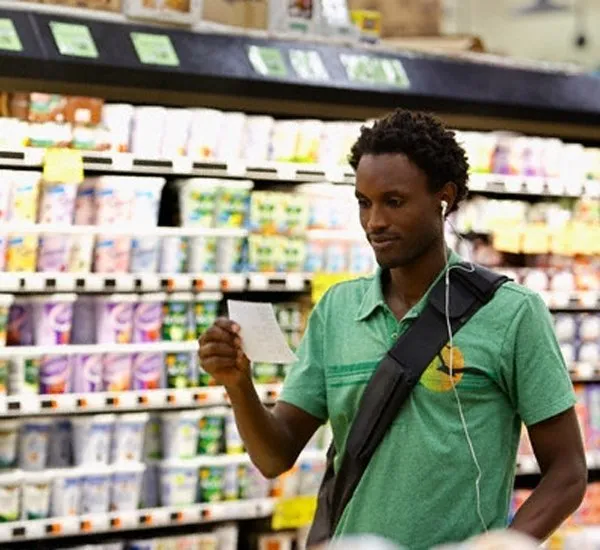
—Make a list, and plan meals ahead of time. That way you won't be wondering, "Am I out of balsamic vinaigrette?" only to come home and find a full bottle in your fridge.
—Don't shop hungry. It only increases the chances of making impulse purchases that you won't be able to finish.
—Don't buy in bulk unless you know the item is one you can finish—or one that never goes bad (i.e., toilet paper). A giant tub of butter may seem like a deal but only if you can finish it before the expiration date. Buying in bulk is good for items you can freeze, though—it uses less packaging.
At home:
—Organize your fridge. Often, perfectly good food goes to waste just because it was buried behind the lettuce and the leftovers. Line up your yogurt containers so the ones closest to expiration are in the front. If you see that a bottle of salad dressing is about to expire, put it on the middle of the shelf, so you're reminded to use it more often. When you're putting away new groceries, store them in the back of the fridge.
—Be sure your refrigerator is set to the right temperature (between 35 and 38 degrees) and has good seals on the door.
—Learn how to freeze your food for better storage. Most foods freeze well and can be wrapped in portions to prolong storage and make it easier to pop them in the microwave for a quick lunch. Vegetables freeze best if they are blanched first—find guidelines for blanching here. Meat and fish can be frozen raw or cooked but should be wrapped tightly. Not all foods are ideal for freezing; find a list of things that are better in the fridge here.
—Perfect the art of the last-minute recipe. Learn leftover-friendly recipes that incorporate foods that have only a day or two left before they go bad. Old white rice, for example, is better for fried rice than fresh rice is. Brown bananas can be sliced, sprinkled with honey, and frozen for a snack or can be baked into banana bread. French toast and bread pudding are sweet uses for stale bread.
When it's too late:
—Compost your waste for a better garden. You can start a compost bin or pile in a yard with plenty of space for one, but in-home compost systems are available, too. Yard trimmings and kitchen scraps make excellent compost. Do not compost meat, bones, cheese, salad dressing, or cooking oil.
—Find new uses for spoiled food. Shriveled-up citrus has a lot of uses, particularly as a cleanser. An old lemon can freshen a dishwasher or garbage disposal. A dried-out onion can clean your grill.
More from Fresh Greens:
The Recycling Bin: A Roundup of Green News - Olympic Edition
4 Ways to Earn Cash for Recycling
I'm Not a Plastic Bag