iPhone app iPad app Android phone app Android tablet app More

Featuring fresh takes and real-time analysis from HuffPost's signature lineup of contributors
Miyoko Sakashita

GET UPDATES FROM Miyoko Sakashita
 

Plastic: Durable, Disposable ... and Deadly for Sea Life

Posted: 08/24/2012 3:11 pm

Everywhere I look I see plastic. From the lid on my morning coffee to the flossers that I wedge between my kids' teeth before bed, it's as ubiquitous as it is convenient.

Sure, it's durable and disposable. But those qualities also make plastic increasingly deadly for ocean species around the world.

Sea turtles eat discarded balloons thinking they're jellyfish, seals get entangled in packing bands and die, seabirds ingest plastic and starve to death because they think their stomachs are full.

Hundreds of thousands of ocean animals die each year because of plastic pollution. The depressing fact is, we've produced more plastic in the past decade than ever in the history of Earth - and much of it winds up in our oceans. Some 90 percent of the floating debris in the seawater is plastic.
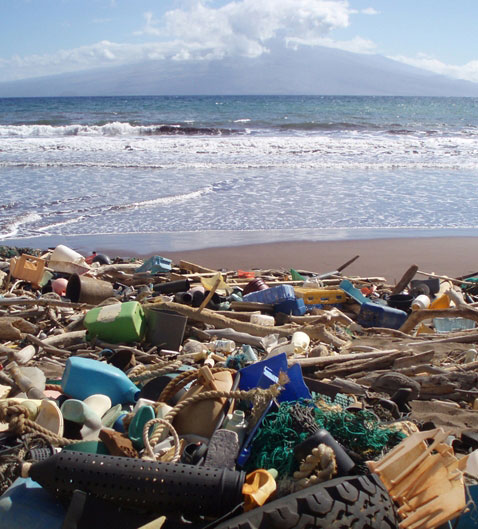
2012-08-23-RS9599_trash_plastic_beach_NOAA_FPWC_commercial_use_ok.jpg
Today, I wanted to find out how much plastic I was throwing away during a day - and how much I might be contributing to the massive garbage in the Pacific Ocean that's twice the size of Texas and swirling with 6 billion pounds of plastics.

By midday, most of my plastic fit into a small pile. Writing at a curbside café, I add to my pile a coffee lid that was just kicked into the street and was about to drop into the storm drain. Phew, I may have just saved an albatross from certain death.

What is the wildlife toll of plastic pollution? At least 267 species of marine animals -- including turtles, fish, seabirds and mammals -- have been found entangled in plastic or with plastic in their stomachs. In a new study, 95 percent of dead fulmars, a seabird that feeds exclusively at sea, had plastic in their guts. The study also showed a dramatic increase in plastic pollution in our ocean ecosystems in the past 40 years. The world's endangered sea turtles are highly susceptible to getting tangled in plastic as are many marine mammals, including critically endangered Hawaiian monk seals whose primary habitat borders the Great Pacific Garbage Patch.

Plastic pollution tends to accumulate in fishing grounds, coastal waters and beaches that are important wildlife habitat.

The more I learn about this crisis the more one thing becomes clear: we've got to stop polluting these areas with derelict fishing gear, beverage bottles, caps, shopping bags and every other scrap of plastic that, while convenient for us, is a daily death sentence for sea life. Plastic simply does not belong in the ocean.

This week the Center for Biological Diversity petitioned the Environmental Protection Agency for a zero plastic pollution limit. By setting a zero plastic pollution limit for our oceans and beaches, the EPA will have tools to better monitor, clean-up, and prevent plastic pollution. Indeed, that storm drain should never deposit a plastic item into our oceans.

At the end of the day, I had collected two coffee lids, a sandwich bag, a produce bag, two shopping bags, a twist tie, a bread clip, a shampoo bottle, toothbrush packaging, take out container, a straw, a tofu package, and two dental flossers. My goal tomorrow is to use zero single-use plastic.

There's bigger work to do too. I hope you'll join me in asking EPA to end plastic pollution in our oceans: it's for the birds.

Photo: NOAA


Follow Miyoko Sakashita on Twitter: www.twitter.com/EndangeredOcean

FOLLOW GREEN
 
 
  • Comments
  • 4
  • Pending Comments
  • 0
  • View FAQ
Comments are closed for this entry
View All
Favorites
Recency  | 
Popularity
HUFFPOST SUPER USER
Just4theHalibut
05:35 PM on 08/26/2012
While a significant part of marine debris is jetsam (stuff thrown off boats) or lost fishing gear, nearly 80% of marine debris comes from land-based sources and is conveyed to oceans via urban runoff through storm drains. The main sources of plastic and other types of anthropogenic (human-made) debris in urban runoff include: litter (mostly bags, packaging and single-use disposable products), industrial discharges, garbage transportation, landfills, construction debris, and debris from commercial establishments and public venues'. See http://plasticdebris.org/
photo
artleads
Let's have a national retreat.
03:39 PM on 08/26/2012
Due to its durability, plastic would make a good filler inside adobe (or the likes). The air it captures inside would help with insulation. So beverage containers and other fairly clean forms of plastic could be separated from the waste stream and used for construction. I'm not quite sure how that would keep plastic out of the sea, but it is likely to help.
HUFFPOST SUPER USER
deweaver
Scientist, businessman, semi-retired
08:07 PM on 08/25/2012
Miyoko Sakashita points out an environmental problem (non-biodegradable plastics in the ocean) with a suggested solution that ignores the major parts of the problem while creating a huge profit potential for legal environmental firms like the one she represents. When they sue government agencies, they can get paid for their legal costs which can be highly padded with tax payer money.

The 800 lb gorilla in the room is abandoned/lost commercial fishing gear such as nets that continue to kill sealife of all kinds for decades. Ghost nets continue to catch fish and then entrap the seals, turtles, etc. that try to feed on the captured fish. If the nets are in water deeper than normal recreational scuba divers utilize, they may not ever be found and can continue killing for as long as the plastic rope and netting holds. We don't even know how many decades or centuries these nets will last in the cold, UV shielded waters of the ocean bottom.

The real problems aren't full of profit opportunities and would require taking on politically connected commercial fishing interests in the regulatory agencies that they have long ago captured. That would be a costly effort.
photo
HUFFPOST SUPER USER
Rob Vann
Hope for the best,Plan for the worst,Take what cms
05:33 PM on 08/26/2012
Even the shore fishery used the ocean as a garbage dump and governments just turn a blind eye. End of season and the redundant gear goes overboard..There are millions of frozen bait boxes thrown overboard each containing clear plastic separators. These are easily mistaken for jellyfish and end up in the stomachs of turtles. No one seems to care.. out of sight out of mind..