Skip to Main Content
Main Menu
U.S. Edition
News
U.S. News
World News
Business
Environment
Health
Social Justice
Crime
Politics
Joe Biden
Congress
Extremism
Opinion
Entertainment
Culture & Arts
Media
Celebrity
TV & Film
Books
Life
Style & Beauty
Food & Drink
Parenting
Travel
Wellness
Relationships
Money
Home & Living
Work/Life
Shopping
Voices
Black Voices
Queer Voices
Latino Voices
Indigenous Voices
Asian Voices
Women's Voices
HuffPost Personal
VIDEO
For Our Partners
The Good Life
Horoscopes
Newsletters
Pyramid Scheme (Word Game)
International
U.S.
U.K.
España
France
Ελλάδα (Greece)
Italia
日本 (Japan)
한국 (Korea)
Follow Us
Part of HuffPost Business. ©2024 BuzzFeed, Inc. All rights reserved.
Trending
Gov. Ron DeSantis Addresses Reports On His Wife Running To Succeed Him
Seth Meyers Calls Utter B.S. On Trump's Sinatra Anecdote
Jon Stewart Exposes Dirty 'Secret' That Lets Your Lawmakers Get Filthy Rich
I Was Addicted To Meth For 7 Years And No One Had Any Idea
Chiefs Kicker Goes Wide Right In Blasting Biden On Abortion In Graduation Speech
We Make Salads For A Living — Here's The No. 1 Ordering Mistake We See People Make
Arizona Supreme Court Pauses 1864 Abortion Ban From Taking Effect For Now
Jimmy Fallon Thinks This Will Be Trump's Next Unhinged Rally Shout-Out
Jake Tapper Immediately Fact-Checks Trump's 'Very Angry' Courthouse Rant
What I’ve Realized About ‘The Color Purple’
Nazi Flag-Bearing Man Who Crashed U-Haul Truck Near The White House Pleads Guilty
7 Sneaky Signs Of ADHD In Women
Log In
Support Us
NEWS
POLITICS
ENTERTAINMENT
LIFE
PERSONAL
VOICES
SHOPPING
🏆 PLAY PYRAMID SCHEME 🏆
U.S. Edition
Open editions submenu
AIG
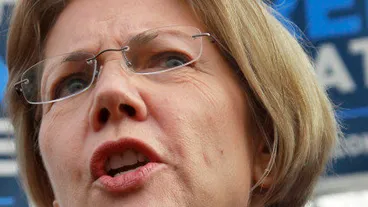
Elizabeth Warren Slams Possible AIG Lawsuit
Sen. Elizabeth Warren (D-Mass.) slammed American International Group on Tuesday for thinking about suing the federal government over the $182 billion taxpayer bailout the insurance giant received during the financial crisis.
By
HuffPost Video
WHAT'S HAPPENING
Ex-Aide Predicts Melania Trump's Response To 'Humiliating' Trial Moment
Rachel Maddow Gags On Air After Relaying Trump Story From Michael Cohen Testimony
Trump Attorney Alina Habba Mercilessly Mocked For Pure Projection
Bill Burr Slams Bill Maher Over Cease-Fire Stance: ‘Why Am I F**king Listening To You?’
Jimmy Kimmel Shares His Elaborate Plan To Drive Trump Up The Wall
Stephen Colbert Audience Groans At 1 Truly Ugly Line From Trump Trial