


Myanmar
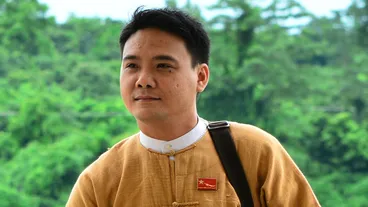
Myanmar has carried out its first executions in nearly 50 years, hanging a former lawmaker, a democracy activist and two other political prisoners who had been accused of a targeted killing after the country’s military takeover last year.

Khing Hnin Wai, a teacher living in Myanmar, accidentally filmed her exercise routine in front of the country’s parliament whilst coup d'état was taking place behind her. The three-minute video posted by Ms Hning Wai herself took social media by storm. She also posted a series of videos on her Facebook page to show she’s often in the same spot going through her workout routine, with little going on behind her most days. But that all changed on Monday as the country found itself once again in political turmoil. Civilian leaders including Aung San Suu Kyi were taken into custody as the military seized power using claims of election fraud.

"We picked out the worst cases we could think of," said Rosie Sharpe, a campaigner at Global Witness. "The ones that ought to be the easiest for Facebook to detect."

“The impact on civilians is worsening daily with frequent indiscriminate attacks and incidents involving explosive hazards," the report says.
WHAT'S HAPPENING


Suu Kyi denied the allegation that she had accepted gold and hundreds of thousands of dollars given her as a bribe by a top political colleague.

U.S. Secretary of State Anthony Blinken made the announcement on Monday based on confirmed accounts of mass atrocities on civilians by the Myanmar military.

The declaration is intended to both generate international pressure and lay the groundwork for potential legal action against Myanmar's government.

She was found guilty of illegally importing and possessing walkie-talkies and violating coronavirus restrictions.

The purported photos of the aftermath of the Christmas Eve massacre spread on social media in the country.

“This is the day that you hope will come when you do this work,” said Bill Richardson, former U.S. ambassador to the U.N.