


👀 DON'T MISS 👀


The Stakes Have Never Been Higher
This year we are facing the most consequential presidential election in recent memory. A vibrant democracy is impossible without well-informed citizens. This is why HuffPost's journalism is free for everyone, not just those who can afford expensive subscriptions.
We cannot do this without your help. Support our newsroom by contributing as little as $2.
Thank You For Your Past Contribution
We are sincerely grateful for readers like you who help us ensure that we can keep our journalism free for everyone.
The stakes are high this year, and our 2024 coverage could use continued support. Would you consider becoming a regular HuffPost contributor?
Thank You For Your Past Contribution
We are sincerely grateful for readers like you who help us ensure that we can keep our journalism free for everyone.
The stakes are high this year, and our 2024 coverage could use continued support. If circumstances have changed since you last contributed, we hope you'll consider contributing to HuffPost once more.
Already contributed? Log in to hide these messages.

Palestinian medics have uncovered hundreds of bodies from mass graves in at least two major hospitals that were under siege by the Israeli military.
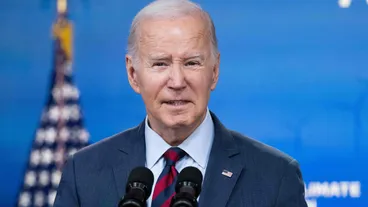
The regulatory package will set the first greenhouse gas limits on power plants and halve the time it takes to get new transmission lines permitted.

The former president gave a truly bizarre "White House" gift to a visitor.

The “One Tree Hill” alum put rumors to rest about how she and the former soccer player fell in love.
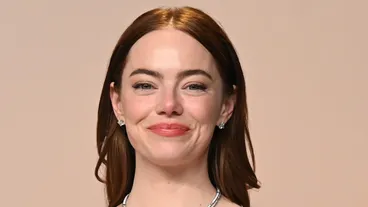
The Oscar winner said she actually “freaked out a couple of years ago” because everyone knows her by her stage name.

The "Anyone But You" co-stars sparked widespread rumors of an on-set romance while filming the rom-com in Australia last year.
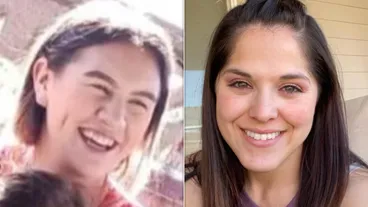
Elias Huizar, 39, was found with a self-inflicted gunshot wound following the fatal shooting of his ex and the discovery of a dead teenage girl in his home.

The former president delivered a scathing response to a critic who just endorsed him.

The justice has been all the things he claims to hate: a welfare queen, a duplicitous double agent, a diversity hire, a beneficiary of reparations, and a minstrel show.

Twenty Democrats urged the Drug Enforcement Administration to deschedule weed and "resolve more than 50 years of failed, racially discriminatory marijuana policy."

Derrick Dunlap was pulled over in Texas because the light over his license plate was too dim — and the interaction was caught on video.

One of the suspects told a local TV station they thought "it would be cool to take a picture with a gun."


