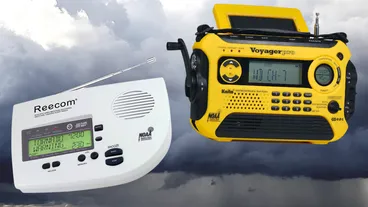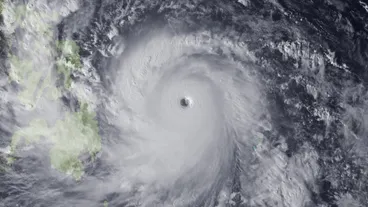
Even though the 2012 Atlantic basin hurricane season is off to a fast start--with Tropical Storm Alberto last weekend and the likelihood of a second system along the Southeast coast this week--NOAA predicts a near-normal season overall.
One large-scale factor contributing to a greater intensity of hurricane seasons in recent years is a warm phase of sea-surface temperatures. With warm water being the fuel for hurricanes, this phase produces more, and more intense, hurricanes.
Sen. Daniel K. Inouye (D-Hawaii) has introduced S. 2202, the Preparedness and Resilience Foundation Act. The bottom line is that tax dollars apparently are not enough and the federal government wants to be able to fundraise outside the scope of its actual authority.
Architect Daniel Samuels, who served as FOLC's president from 2006 to 2008, said the concept dates to the 1970s and re-emerged after Katrina as a strategy to stimulate investment in storm-damaged neighborhoods.
In the Grand Old Party, we see moral standards as necessary but humbling measures of our imperfections, revealing how far and how often we fall short. The principled perfection of the left, however, requires little such humility.
Plans to move regional, mail-processing activities from Loyola Avenue in downtown New Orleans to Baton Rouge are not a done deal, according to the U.S. Postal Service and union spokesmen last week.
Last week, I set out to BeNOLABound, along with 26 other professionals, to meet with local business leaders and learn what New Orleans has been up to since I left. We took a chance, and were completely blown away by what many of us now describe as a life-changing experience.
Louisiana needs to get smart quickly about coastal restoration, U.S. Senator Mary Landrieu said in her hometown of New Orleans last week.
Finally, I'm NOLABound. Six and a half years since Hurricane Katrina destroyed my home and sent my community into a far flung diaspora of despondent resignation, I find myself returning home, as part of the BeNOLABound program.
In an odd sort of way, Hurricane Katrina helped to make New Orleans an incredible laboratory not only for understanding the role and importance of a city's food system but for recognizing the importance of food as an essential tool for community building.
City Park in New Orleans has mostly recovered from Katrina's wrath in 2005, and is building attractions to generate greens fees, entry tickets, concession sales, catering and equipment rentals to cover its operating expenses.
It rained all day today. This is what we in South Florida refer to as "crappy weather." Granted, my version of crappy weather is not your version o...
It was 2007 and the 9th Ward still looked like an overgrown prairie strewn with concrete slabs. In the years since then, Make It Right NOLA has assembled a living study in sustainable architecture for returning residents.
During natural disasters, society regularly turns to the state for help, which means such immediate crises are a much-needed reminder of just how important a functional big government turns out to be to our survival.
The Saints may have lost, but the city of New Orleans did not. It was never just about coming back but about coming back stronger.
Faced with more frequent natural disasters caused largely by climate change, global and local decision-makers need to have greater foresight in their efforts to prevent and recover from future crises.