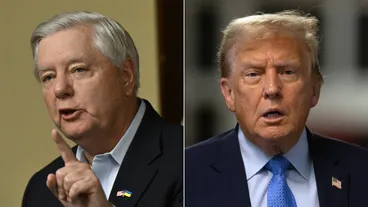
McCain and a bipartisan group of supporters are punctuating the start of a new university-based institute committed to the leadership principles John McCain exhibited and encouraged, particularly in young people.
Before we have a war with Iran, shouldn't the Senate and the House have at least one debate and vote on it? Isn't that what the Constitution demands?
We're at a rare moment in which both the United States and Iran have unclenched their fists and appear ready for real talks. But we've seen how opportunities have been sabotaged in the past by political opportunism, ultimatums and intransigence from factions on each side.
And so it is that the tables appear to have been turned in the Washington that will greet the Israeli leader. He will not be pressured to do what he has long been loathe to do -- address Palestinian rights.
Presidents need latitude to make decisions affecting matters of national security (another name for matters of life and death) and, until now, all presidents have been afforded it, as provided for in the United States Constitution. But, in the case of Iran, the rules are changing.
Back when he was a candidate, then-Senator Obama criticized President George W. Bush for his frequent reliance on signing statements to circumvent Congressional intent. What a difference executive power makes.
Every current Republican gripe on the Iraq withdrawal boils down to a monumental refusal to face the reality of a full-fledged Iraqi democracy.
It has been a big week on the foreign policy front, with the death of Libya's dictator and President Obama's announcement today that all U.S. troops would be out of Iraq by the end of this year.
Here are 5 ways that labor unions are advancing private-investment-driven solutions to our crisis, and promoting export-led growth -- in partnership with businesses.
Sen. John McCain has exhibited personal courage, but his geopolitical judgment is uniformly awful. Over the last 30 years there has been no war or potential war that he has opposed.
The idea of shared sacrifice as a public value is fine. However, why should many Americans, who have become accustomed to shouldering most of the sacrifice, get excited about taking on additional burdens?
Over the last two days, a group of businesses, non-profits, and public officials came together in Chicago at the Clinton Global Initiative to find ways putting Americans back to work in a way that contributes to everyone's bottom line.
Beyond the immediate implications of tactical policy, conservatives are grappling with a much larger choice of ideology. The right is entering into, whether they realize it or not, a referendum on the definition of American Exceptionalism.
In a time of budgetary crisis, an Infrastructure Bank can finance an infrastructure platform for surge manufacturing.
President Obama's plan to withdraw 33,000 American troops from Afghanistan by next summer will bring an end to his surge strategy, but it is unlikely to mollify a growing war weariness among the American electorate.