Taking money over time is a tenet of my faith. I believe in God, the Cincinnati Reds and not taking money in a lump sum.
Amanda Clayton was not your typical millionaire. In her short life, she won a million dollar lottery in Michigan, was convicted of collecting state welfare money after she got the million dollars and embroiled in a plethora of drama and legal battles. Now she is dead.
Lottery winners have the same financial and social issues that other people have. Only their problems are magnified 1000 percent.
Something strange happens when a loved one dies and it's time to distribute the estate. No matter how close people are, money has the ability to widen wedges and force family members apart. Regardless of how those assets are distributed, someone will inevitably feel slighted.
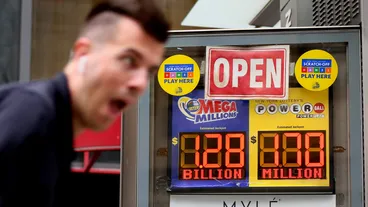
I wrote a book called Son of a Son of a Gambler: Winners, Losers and What to Do When You Win the Lottery. Whenever a jackpot hits record highs, like the Mega Millions lottery did last week, the book climbs to the top of the Amazon charts. I can boil down my advice to five points.
That's just the thing about winning the lottery: winning it makes you rich, not wealthy. There is no more honor in luck than there is happiness in money.
If I won Mega Millions, I'd buy a $40 million house... with a $600 million wall to keep all you envious poor people out.
It's incredible to think what might happen if you win, but really ... what happens? How do you make sure that money, once won, doesn't evaporate into a cloud of taxes and Ferraris?
Dear Future Lottery Winner: Congratulations on winning $640 million! You must be feeling great right about now, and my hunch is that you also are feeling a bit overwhelmed and anxious about what to do next.
I know the odds of winning the $500 million jackpot in this Friday night's Mega Millions lottery are longer than Milton Berle's garden hose, something...
You would think that after having overcome trillion-to-one odds, the idea of running through the money would seem silly to most lottery winners. But 90 percent of people do just that within five years of winning the jackpot.
Almost all of us have our own "lotto moment." We make decisions about money that will either give us long term security and happiness or bring on pain and regret.
Abraham Shakespeare should have been on top of the world. In 2006, he won $16.9 million in the Florida lottery. Last week, they found his body buried five feet deep under concrete.
I would like to participate in Arianna's movement but I am way ahead of her. Since age 16, I have always banked in community banks. You will be doing yourself, and all of America, a favor when you tell the big banks to kiss off.
This is a link to an interview I did with Mark Kelley on his prime time CBC show about the pitfalls that lottery winners and others who receive big money have to deal with.
Our financial and emotional needs now dictate that state governments sedate their citizens, while picking their pockets, from California to Kansas to the Mid-Atlantic.