Skip to Main Content
Main Menu
U.S. Edition
News
U.S. News
World News
Business
Environment
Health
Social Justice
Crime
Politics
Joe Biden
Congress
Extremism
Opinion
Entertainment
Culture & Arts
Media
Celebrity
TV & Film
Books
Life
Style & Beauty
Food & Drink
Parenting
Travel
Wellness
Relationships
Money
Home & Living
Work/Life
Shopping
Voices
Black Voices
Queer Voices
Latino Voices
Indigenous Voices
Asian Voices
Women's Voices
HuffPost Personal
VIDEO
For Our Partners
The Good Life
Horoscopes
Newsletters
Pyramid Scheme (Word Game)
International
U.S.
U.K.
España
France
Ελλάδα (Greece)
Italia
日本 (Japan)
한국 (Korea)
Follow Us
Part of HuffPost World News. ©2024 BuzzFeed, Inc. All rights reserved.
Trending
Jamie Raskin Schools Republican With Brutal U.S. History Lesson: I ‘Wrote A Paper About It’
'Pathetic Shell' Ted Cruz Gets Blunt Reminder After Over-The-Top Trump Defense
Greg Gutfeld Makes Truly Vile Comments About 'Sex God' Trump And Stormy Daniels
How A Fight Over Land In Rural Colorado Turned Ugly
Law Professor Shows How New Trump Trial Tactic Could Backfire In 2 Big Ways
Jimmy Kimmel Brutally Shades Eric Trump In The Most Golden Way Possible
Maya Rudolph Says She Wouldn't Want To Star On ‘SNL’ These Days
Excruciating Supercut: Seth Meyers Sums Up Kristi Noem's 'Humiliation Tour'
Critics Stunned By Apple's Bleak New iPad Ad: ‘Worst. Commercial. Ever.’
Cruise Ship Sails Into NYC Port With 44-Foot Dead Whale Across Its Bow
This Is The Only Thing You Should Be Using To Wash Your Body
Stephen Colbert Spots Big 'Warnings' For Trump In Latest Election Numbers
Log In
Support Us
NEWS
POLITICS
ENTERTAINMENT
LIFE
PERSONAL
VOICES
SHOPPING
🏆 PLAY PYRAMID SCHEME 🏆
U.S. Edition
Open editions submenu
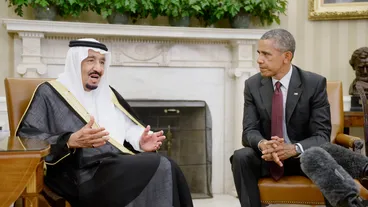
Obama's Mideast Trip
Saudi Arabia's New Ambassador To The U.S. Makes His First Pitch
His effort to promote the kingdom's anti-terror fight comes amid growing criticism of the Saudi-led campaign in Yemen.
By
Akbar Shahid Ahmed
Barack Obama Reminds GOP Critics He Did Not Start Arab Spring
The president fired back at GOP presidential candidates who claim he wanted to oust Arab strongmen.
By
Akbar Shahid Ahmed
WHAT'S HAPPENING
There's A GOP Plan For A Killing Spree If Trump Wins
Ann Coulter's Bluntly Racist Admission To Vivek Ramaswamy Is Jaw-Dropping
Barron Trump To Make Republican Political Debut
Ex-Obama Strategist Names ‘Terrible Mistake’ That Could Cost Biden The Election
Republicans Are Worried About The Trump Protest Vote. They Have A Solution.
Robert F. Kennedy Jr. Scraps With MSNBC Host Over 'Vitriol' In Tense Exchange