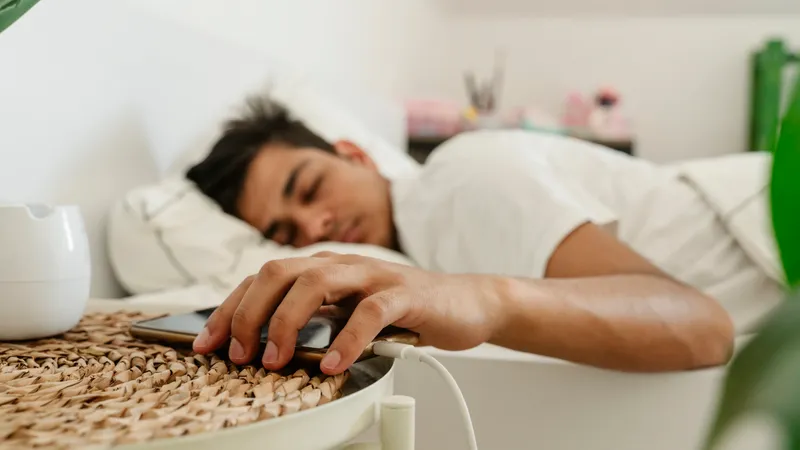
It's common knowledge that good sleep is healthy, and that not getting good sleep isn't healthy. I would not be surprised to find that "not getting good sleep" contributes to a multitude of afflictions.
As a child I remember the comfort I experienced being tucked in at night with great tenderness and loving by my mother. As an adult, I have created a way to tuck myself in with the same sweetness and loving.
The suits from last summer seem to hit all the wrong places. Does anyone else have this problem?
The possibility that I am to pass off the face of this earth not as a headline, nor even as a footnote, is somehow both sobering and liberating.
How many of us (myself included) have sat with a car engine running, a few blocks away from "home" reading emails and trying to avoid going home at all? How many of us feel more intimate with email and Internet colleagues we "know" at a safe distance?
We need an intervention to help us break the destructive treadmill-like cycle we are in of denial and continued harmful behavior. We need a vacation!
This week, I want to explore how sleep and fear are related. Their connection is direct and undeniable, as lack of the prior leads to an increase in the latter.
As patients, we have the responsibility to observe our bodies and share our findings, let them be known so that paradigms can be shifted and abusive market dominant positions undermined.
Imagine you could gather Tony Award winners at your child's bedside to sing him or her to sleep. What if these artists were there to perform original lullabies by Stephen Sondheim?
New York City requires every one of us to be in a constant state of catching up, getting even, or getting ahead in one form or another. So, falling asleep means falling behind.
A number of studies have shown that stress leads to weight gain, partly by increasing the body's cravings for sugary carbs and fatty foods.
It probably does not come as a surprise to you that anxiety and stress disorders are common among recent divorcés. Some choose to deal with this stress by taking anti-anxiety medications.
As a culture, Americans need to move beyond narrow interpretations of parenting practices.
When I was young, I used to envy princesses like Snow White and Sleeping Beauty for their charm and singing voices. When I entered perimenopause, I started to envy them for a different reason.
Close the computer at 6 p.m., decline that extra bit of overtime, don't bring work home on the weekends: It's up to each of us to find ways to set reasonable limits so that work life doesn't rob us of the sleep we need.
I know so many people who have all the pillows they need and yet have trouble sleeping at night; they walk through their lives sleep deprived. What many don't realize is that the Torah already told them why they can't sleep.
People who care for new babies (parents and increasingly grandparents) lose on average 200-300 hours of sleep in the first year. And for many, there's not much respite after that first year, either.
Those fun, harmless-looking energy drinks in the colorful bottles that you see everywhere these days? Turns out these drinks aren't so harmless.
I am concerned that we have placed so little value on sleep that students ignore its benefits. It is impossible for humans or any species to go without sleep.
While the media presents images of loving couples sleeping contentedly in each other's arms all night long, for many the reality is much different.