


👀 DON'T MISS 👀


"I almost grew a fear of flying," said the former quality inspector for one of Boeing's main suppliers, Spirit AeroSystems.

The president urged the airplane manufacturer to reach a deal that "gets these firefighters the pay and benefits they deserve."

The "Morning Joe" co-host mocked Trump's dinner with buyers of his digital trading cards on a day off from court.

Los Angeles Superior Court Judge Gus T. May said the rock legend needs the conservatorship because of what his doctor calls a “major neurocognitive disorder.”
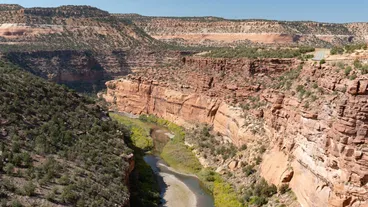
Environmental groups have petitioned the White House to establish a national monument along the Dolores River — and many local residents are fuming.

The surprising share of GOP primary voters spurning Trump for Haley is making Republicans anxious ahead of the November presidential election.

The Maryland Democrat declared that he was "inspired" by Rep. Glenn Grothman's remarks on the Pledge of Allegiance.
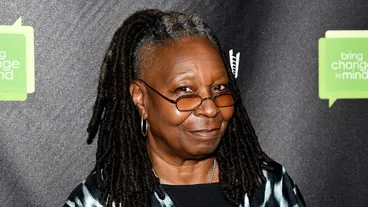
The EGOT winner recently fulfilled her decadelong quest to meet one world-renowned figure — and even handed him a copy of the "Sister Act" soundtrack.

The former Hawaii congresswoman said she hadn't, but refused to throw Kristi Noem under the bus.

Stone, who has enjoyed a close friendship with Swift for about 20 years, will reunite with Joe Alwyn in "Kinds of Kindness," due out in June.

Seinfeld made the remark during an appearance on the "Fly on the Wall" podcast.

Jack Schlossberg, Caroline Kennedy's kid, showed off his accents to bolster the family's opposition to the independent candidate.


